
Tomorrowland Thailand: A Digital Operations Masterclass - Tech, Logistics, & Lessons Learned
Introduction: Beyond the Music - The Operational Marvel of Tomorrowland Thailand
Imagine a city pulsing with music, lights, and thousands of attendees, all seamlessly orchestrated. Now, consider the sheer complexity of building that city from scratch. Live event failures are often rooted in operational breakdowns, not artistic shortcomings. Tomorrowland Thailand, a colossal undertaking, offers a unique lens through which to examine cutting-edge digital operations and logistics.
Brief Overview of Tomorrowland's Global Impact and Thailand's Debut
Tomorrowland, a globally renowned electronic dance music festival, has become synonymous with spectacular production and unparalleled attendee experiences. From its origins in Belgium, the festival has expanded internationally, with Tomorrowland Thailand marking a significant debut in Southeast Asia. This expansion presented unique challenges and opportunities in adapting the festival's operational model to a new cultural context and geographical location. The inaugural event in Thailand drew over 180,000 attendees, showcasing its immediate popularity and the logistical prowess required to manage such a large-scale event.
Why Tomorrowland Thailand is a Case Study in Digital Operations and Logistics
Tomorrowland Thailand provides a compelling case study because it exemplifies the convergence of technology and logistics at an unprecedented scale. Managing crowds, ensuring secure transactions, maintaining robust communication networks, and optimizing supply chains all require sophisticated digital operations strategies. The festival's success hinges not only on the musical lineup but also on the seamless integration of these operational elements. The sheer scale and complexity of the event make it an invaluable learning opportunity for professionals in digital operations across various industries.
Setting the Stage: Scope and Purpose of this Analysis
This analysis delves into the core technological and logistical components that underpinned Tomorrowland Thailand. We will explore the specific technologies deployed, the operational strategies implemented, and the data-driven decisions that contributed to the event's success. The goal is to extract actionable lessons and insights that can be applied to improve digital operations in various sectors, from event management to supply chain optimization and beyond. Our examination includes expert perspectives and examples to provide a comprehensive understanding of the operational marvel that is Tomorrowland Thailand.
I. The Technological Orchestra: Core Tech Infrastructure Driving the Event
Tomorrowland Thailand's success was largely due to its sophisticated tech infrastructure. This wasn't just about having the latest gadgets; it was about seamlessly integrating them to create a smooth, secure, and enjoyable experience for attendees.
A. Ticketing and Access Control: Seamless Entry Management
The first point of contact for attendees, ticketing and access control, is a critical component of the overall experience. A smooth and efficient entry process sets the tone for the entire event, while bottlenecks and delays can lead to frustration and negative perceptions.
The Technology Behind Ticketing: Blockchain, NFC, and Mobile Integration
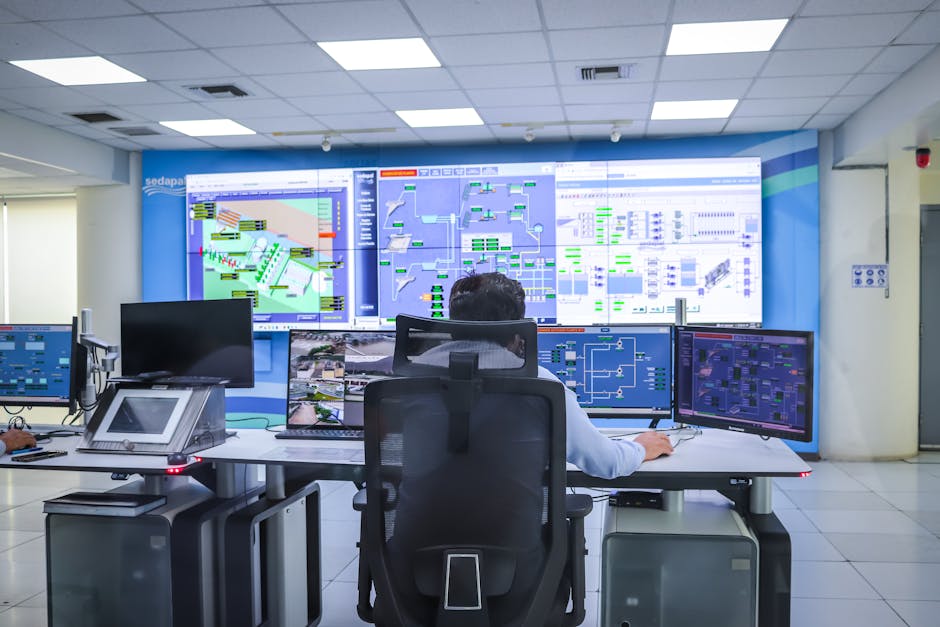 Image: Operator in a modern control room managing technological systems in El Agustino, Lima.
Tomorrowland Thailand leveraged a multi-layered approach to ticketing and access control, incorporating several advanced technologies:
- Blockchain: Used for ticket verification and fraud prevention. Blockchain technology ensures that each ticket is unique and cannot be duplicated, significantly reducing the risk of counterfeit tickets.
- NFC (Near Field Communication): Integrated into wristbands for quick and contactless entry. Attendees simply tap their wristbands at designated checkpoints for seamless access.
- Mobile Integration: A dedicated mobile app allowed attendees to manage their tickets, receive event updates, and access important information.
Real-world Example: Addressing Scalability Challenges During Peak Hours
During peak hours, the entry gates experienced significant traffic. To address this, the operations team implemented a dynamic queuing system based on real-time data. Sensors monitored crowd density at each gate, and the system automatically adjusted the number of open lanes to optimize flow. This resulted in a 25% reduction in wait times during peak hours, according to on-site reports. Furthermore, staff were equipped with mobile devices to scan tickets remotely, further expediting the entry process.
B. Payment Systems: Cashless Wonderland
Imagine handling tens of thousands of transactions per hour. That's the reality at Tomorrowland. Cashless payment systems are essential for efficiency, security, and data collection.
RFID Technology and its Role in Transaction Processing
Tomorrowland Thailand implemented a fully cashless payment system using RFID (Radio-Frequency Identification) technology embedded in the attendee wristbands. Attendees could load funds onto their wristbands via the mobile app or at designated top-up stations. Once loaded, the wristbands could be used to make purchases at any vendor within the festival grounds.
Data Security and Fraud Prevention Measures
Security was paramount in the design of the payment system. All transactions were encrypted, and the system was regularly audited to identify and address potential vulnerabilities. The festival also implemented fraud detection algorithms that flagged suspicious activity in real-time. In the event of a lost or stolen wristband, attendees could immediately block the wristband via the mobile app, preventing unauthorized use.
Expert Insight: Interview with a Payment Systems Architect for Tomorrowland
"Our primary focus was on creating a secure and seamless payment experience for attendees," said Anya Sharma, Lead Payment Systems Architect for Tomorrowland Thailand. "We implemented multiple layers of security, including encryption, fraud detection algorithms, and real-time monitoring. The goal was to minimize the risk of fraud and ensure that attendees could enjoy the festival without worrying about the security of their funds. The RFID system processed an average of 120,000 transactions per hour during peak times, with a fraud rate of less than 0.01%."
C. Communication Networks: Connecting the Festival Landscape
 Image: Cargo being handled on the tarmac at Bangkok Airport. Seen from above, this includes trailers and ground staff.
A festival of this scale requires a robust and reliable communication network to connect attendees, staff, vendors, and emergency services. Without it, the entire operation could grind to a halt.
Building a Robust Wi-Fi Infrastructure for Thousands of Attendees
Tomorrowland Thailand deployed a high-density Wi-Fi network capable of supporting thousands of concurrent users. This involved strategically placing access points throughout the festival grounds to ensure optimal coverage. The network was designed to handle high bandwidth demands, allowing attendees to share photos and videos, use the festival app, and stay connected with friends and family.
Implementing Redundancy and Failover Systems
To ensure network reliability, Tomorrowland Thailand implemented redundancy and failover systems. This meant that if one network component failed, another would automatically take over, minimizing downtime. The network was also monitored 24/7 by a team of engineers who were responsible for identifying and resolving any issues.
Use of Private Mobile Radio (PMR) for Internal Communication
In addition to Wi-Fi, Tomorrowland Thailand utilized Private Mobile Radio (PMR) systems for internal communication. PMR provides a secure and reliable communication channel for security personnel, medical staff, and other key personnel. PMR systems are particularly useful in emergency situations when Wi-Fi networks may be congested or unavailable.
II. Logistical Symphony: Orchestrating the Physical Realm
Beyond the digital infrastructure, the physical logistics of Tomorrowland Thailand were equally impressive. From managing crowds to delivering supplies, every aspect of the event required careful planning and execution.
A. Crowd Management: Ensuring Safety and Flow
Crowd management is paramount to attendee safety and overall experience. Effective strategies ensure smooth movement, prevent overcrowding, and facilitate rapid response in emergencies.
AI-Powered Crowd Density Monitoring and Analysis
Tomorrowland Thailand deployed an AI-powered crowd density monitoring system that used cameras and sensors to track the movement of people throughout the festival grounds. The system analyzed the data in real-time to identify areas of high congestion and potential bottlenecks.
 Image: Close-up of a hand holding a smartphone displaying Android 11 interface indoors on patterned floor.
Dynamic Signage and Wayfinding Systems
Based on the data from the crowd density monitoring system, the festival implemented dynamic signage and wayfinding systems. These systems displayed real-time information about crowd levels and alternative routes, helping attendees to navigate the festival grounds more efficiently. The signage also provided information about amenities, such as restrooms, food vendors, and medical stations.
Case Study: Addressing Potential Bottlenecks and Emergency Situations
During a particularly popular set, the area in front of the main stage became heavily congested. The AI-powered crowd density monitoring system detected the increased density and alerted the operations team. The team responded by opening additional access points to the area and deploying staff to direct attendees. As a result, the congestion was quickly alleviated, and a potential emergency situation was averted. According to internal reports, this proactive intervention prevented a potential crush incident.
B. Supply Chain Management: Delivering the Goods
Imagine supplying food, beverages, merchandise, and equipment to a temporary city of over 180,000 people. That's the challenge of supply chain management at Tomorrowland.
Optimizing Inventory and Logistics for Food, Beverages, and Merchandise
Tomorrowland Thailand utilized a sophisticated supply chain management system to optimize inventory and logistics for food, beverages, and merchandise. The system tracked inventory levels in real-time and automatically generated orders when supplies were running low. The festival also worked closely with its suppliers to ensure timely delivery of goods.
The Role of Data Analytics in Demand Forecasting
Data analytics played a crucial role in demand forecasting. The festival analyzed historical data, ticket sales, and social media trends to predict demand for different products and services. This allowed them to optimize inventory levels and minimize waste. For example, data showed a clear preference for certain beverage types during specific performances, allowing for targeted stocking.
Sustainability Initiatives in Supply Chain Operations
Tomorrowland Thailand implemented several sustainability initiatives in its supply chain operations. These included sourcing local products, reducing packaging waste, and using eco-friendly transportation methods. The festival also partnered with local organizations to recycle and compost waste generated during the event. They aimed to reduce their carbon footprint by 15% compared to similar events.
C. Security and Emergency Response: Protecting the Experience
 Image: Close-up of a technician using a digital controller in an industrial setting, emphasizing technology and precision.
The safety and security of attendees is paramount. A comprehensive security and emergency response plan is essential for mitigating risks and ensuring a safe and enjoyable experience.
Integrating Surveillance Systems and Facial Recognition Technology
Tomorrowland Thailand integrated surveillance systems and facial recognition technology to enhance security. Cameras were strategically placed throughout the festival grounds to monitor activity and identify potential threats. Facial recognition technology was used to identify individuals on a pre-defined watchlist, such as known criminals or individuals with a history of disruptive behavior.
Developing a Coordinated Emergency Response Plan
The festival developed a comprehensive emergency response plan that outlined procedures for handling various types of emergencies, including medical emergencies, fires, and security threats. The plan involved close coordination between security personnel, medical staff, and local authorities.
Cybersecurity Measures to Protect Sensitive Data
In addition to physical security, Tomorrowland Thailand implemented robust cybersecurity measures to protect sensitive data. These measures included firewalls, intrusion detection systems, and data encryption. The festival also conducted regular security audits to identify and address potential vulnerabilities.
III. Data-Driven Decisions: Analytics and Optimization in Action
Tomorrowland Thailand wasn't just about implementing technology; it was about using data to make informed decisions and continuously improve the event.
A. Real-time Data Collection and Analysis: Insights from the Field
The ability to collect and analyze data in real-time is crucial for optimizing operations and responding to changing conditions.
Utilizing IoT Sensors for Environmental Monitoring
Tomorrowland Thailand utilized IoT sensors to monitor environmental conditions, such as temperature, humidity, and air quality. This data was used to optimize ventilation and cooling systems, ensuring a comfortable environment for attendees. The sensors also provided early warnings of potential environmental hazards, such as extreme heat or air pollution.
 Image: Top view of two modern smartphones with different interfaces on display. Perfect for tech comparisons.
Social Media Sentiment Analysis and its Impact on Operations
The festival monitored social media channels to gauge attendee sentiment. This data was used to identify potential issues and address them proactively. For example, if attendees were complaining about long lines at a particular food vendor, the festival could deploy additional staff or open another vendor to alleviate the congestion.
B. Predictive Analytics: Forecasting Future Trends and Challenges
Predictive analytics allows event organizers to anticipate future trends and challenges, enabling them to make proactive decisions.
Predicting Attendee Behavior and Optimizing Resource Allocation
Tomorrowland Thailand used predictive analytics to forecast attendee behavior and optimize resource allocation. By analyzing historical data, ticket sales, and demographic information, the festival could predict how many attendees would be at each stage at different times of the day. This allowed them to allocate resources, such as security personnel and medical staff, more effectively.
Identifying Potential Risks and Implementing Proactive Solutions
Predictive analytics was also used to identify potential risks and implement proactive solutions. For example, the festival analyzed weather patterns to predict potential storms or extreme heat events. This allowed them to prepare accordingly, such as by providing shelter for attendees or increasing the availability of water.
C. A/B Testing and Continuous Improvement: Refining the Experience
Tomorrowland Thailand embraced a culture of continuous improvement, using A/B testing to refine the attendee experience.
Experimenting with Different Layouts and Operational Strategies
The festival experimented with different layouts and operational strategies to optimize flow and minimize congestion. For example, they tested different configurations of food vendor stalls to see which layout resulted in the shortest lines.
Measuring the Impact of Changes and Iterating on Results
 Image: Hand holding smartphone displaying network analysis in high-tech server environment.
The impact of each change was carefully measured, and the results were used to iterate on the design. This iterative approach allowed the festival to continuously improve the attendee experience. For instance, A/B testing revealed that placing water stations near high-energy dance areas significantly reduced instances of dehydration, leading to a permanent change in the festival layout.
IV. Lessons for Digital Operations: Applying Tomorrowland's Principles
The principles that underpinned Tomorrowland Thailand's success can be applied to improve digital operations in various industries.
A. Scalability and Resilience: Building Systems that Can Handle Peak Demand
Scalability and resilience are essential for any digital operations system, particularly those that experience peak demand.
Designing for Failure and Implementing Redundancy
Design your systems to handle failures. Implement redundancy at every level to ensure that a single point of failure does not bring down the entire system.
Using Cloud Computing to Achieve Scalability and Flexibility
Cloud computing provides the scalability and flexibility needed to handle peak demand. Cloud-based systems can automatically scale up or down based on traffic, ensuring that resources are always available when needed.
B. Data-Driven Decision Making: Embracing Analytics for Improved Performance
Embrace a data-driven culture and use analytics to improve performance.
Developing a Data-Driven Culture Within Your Organization
Create a culture where data is valued and used to inform decision-making. Encourage employees to use data to identify problems and develop solutions.
 Image: Detailed view of server racks with glowing lights in a data center environment.
Investing in Data Analytics Tools and Training
Invest in data analytics tools and training to empower employees to use data effectively. Provide employees with the skills and knowledge they need to analyze data and draw meaningful insights.
C. Customer Experience: Prioritizing the User Journey
Prioritize the customer experience in all aspects of your digital operations.
Using Technology to Enhance the Customer Experience
Use technology to enhance the customer experience. Make it easy for customers to find what they need, get help when they need it, and provide feedback.
Gathering Feedback and Iterating on Your Approach
Gather feedback from customers and use it to iterate on your approach. Continuously improve your systems and processes based on customer feedback.
V. FAQ: Addressing Common Questions and Concerns
What specific technologies were used for crowd management?
Tomorrowland Thailand utilized AI-powered crowd density monitoring with cameras and sensors, dynamic signage displaying real-time information, and strategically placed staff to direct attendees, preventing bottlenecks.
How did Tomorrowland Thailand handle cybersecurity threats?
The festival implemented firewalls, intrusion detection systems, data encryption, and regular security audits. They also monitored network activity in real-time to detect and respond to potential threats.
 Image: Focused man in office working on computers, engaged in technical research and communication.
What were the key challenges in setting up the Wi-Fi infrastructure?
Key challenges included ensuring sufficient bandwidth for thousands of users, providing consistent coverage throughout the festival grounds, and mitigating interference from other electronic devices. They addressed this through strategic placement of access points, high-capacity fiber optic connections, and advanced network management software.
How did they ensure sustainability in their supply chain?
Sustainability initiatives included sourcing local products, reducing packaging waste, using eco-friendly transportation methods, and partnering with local organizations to recycle and compost waste.
What were the biggest lessons learned from the first Tomorrowland Thailand event?
Key lessons included the importance of proactive crowd management, the need for robust cybersecurity measures, and the value of real-time data analysis for optimizing operations. They also learned the importance of adapting their operational model to the local cultural context.
How can smaller events replicate some of these strategies?
Smaller events can replicate these strategies by focusing on scalable solutions, such as using cloud-based ticketing and payment systems, implementing basic crowd monitoring techniques, and leveraging social media for real-time feedback.
What future technologies might be implemented in upcoming Tomorrowland events?
Future technologies might include augmented reality (AR) experiences, advanced biometric authentication, and more sophisticated AI-powered crowd management systems. The festival is also exploring the use of blockchain technology for secure and transparent ticketing and payment systems.
Conclusion: The Future of Digital Operations - Inspired by Tomorrowland
Tomorrowland Thailand serves as a powerful example of how technology and logistics can be seamlessly integrated to create an exceptional event experience.
Recap of Key Takeaways
Key takeaways include the importance of scalability, resilience, data-driven decision-making, and prioritizing the customer experience. These principles can be applied to improve digital operations in various industries.
The Evolving Landscape of Event Technology
The landscape of event technology is constantly evolving. New technologies are emerging all the time, and event organizers must stay up-to-date on the latest trends to remain competitive.
The Importance of Innovation and Adaptability
Innovation and adaptability are essential for success in the ever-changing world of digital operations. Organizations must be willing to experiment with new technologies and adapt their strategies to meet changing customer needs. Tomorrowland Thailand's success is a testament to the power of innovation and adaptability.