
Sustainable Smart Homes in Bahrain: A Deep Dive into the Growing Trend
Bahrain's rapid urbanization and growing population are placing increasing strain on its natural resources. Simultaneously, a heightened awareness of environmental issues is driving demand for sustainable living solutions. Sustainable smart homes offer a compelling answer, merging cutting-edge technology with eco-conscious design to reduce environmental impact and enhance quality of life.
Introduction: The Rise of Eco-Conscious Living in Bahrain
Bahrain is experiencing a significant shift towards eco-conscious living, spurred by environmental concerns and a desire for greater resource efficiency. This trend is manifesting in the growing popularity of sustainable smart homes, which integrate advanced technologies to minimize environmental impact while maximizing comfort and convenience.
The Growing Demand for Sustainable Housing in Bahrain
Bahrain's housing market is increasingly influenced by environmental awareness. A recent survey by the Bahrain Real Estate Association showed a 35% increase in demand for eco-friendly homes over the past two years. This surge is driven by both local residents and expatriates seeking to reduce their carbon footprint and lower utility bills.
What Defines a 'Sustainable Smart Home'?
A sustainable smart home goes beyond basic energy efficiency. It's a holistic approach that incorporates multiple elements:
- Energy Efficiency: High-performance insulation, energy-efficient windows, and smart appliances.
- Renewable Energy: Solar panels, wind turbines (where feasible), and geothermal systems.
- Water Conservation: Low-flow fixtures, rainwater harvesting, and smart irrigation systems.
- Smart Home Technology: Automated lighting, HVAC control, and energy monitoring systems.
- Sustainable Materials: Locally sourced, recycled, and non-toxic building materials.
Bahrain's Vision 2030 and its Influence on Green Building
Bahrain Vision 2030 explicitly promotes sustainable development and environmental protection. This national strategy has significantly influenced the green building movement, with government initiatives and incentives encouraging the adoption of sustainable practices in construction and real estate. The Bahrain Economic Development Board is actively promoting green technologies to attract investment in this sector.
Brief Overview of the Article: What to Expect
This article provides a comprehensive overview of sustainable smart homes in Bahrain. It covers the key technologies driving this trend, the benefits they offer, real-world examples of sustainable projects, the challenges and opportunities in the Bahraini market, and future predictions for the sector. We will explore the intersection of smart technology and sustainability in the Bahraini context, providing valuable insights for homeowners, developers, and policymakers alike.
Key Technologies Driving Sustainable Smart Homes
Sustainable smart homes rely on a range of advanced technologies to optimize resource consumption and minimize environmental impact. These technologies can be categorized into several key areas.
 Image: Side view of crop concentrated young ethnic female using touchpad of netbook and shopping online
Smart Energy Management Systems: Optimizing Consumption
Smart energy management systems are at the heart of sustainable smart homes. They use sensors, data analytics, and automation to optimize energy consumption in real-time.
- Smart Thermostats: Learn user preferences and automatically adjust temperature settings to reduce energy waste.
- Smart Lighting: Automatically turns lights on/off based on occupancy and daylight levels.
- Energy Monitoring: Provides real-time data on energy usage, allowing homeowners to identify areas for improvement.
- Load Shedding: Automatically reduces energy consumption during peak demand periods.
Data Point: A study by the Bahrain Energy and Environment Organization found that smart energy management systems can reduce energy consumption by up to 25% in residential buildings.
Solar Power Integration: Harnessing Renewable Energy
Solar power is a key component of sustainable smart homes, offering a clean and renewable energy source. Bahrain's abundant sunshine makes it an ideal location for solar energy generation.
- Photovoltaic (PV) Panels: Convert sunlight into electricity.
- Solar Water Heaters: Use solar energy to heat water for domestic use.
- Net Metering: Allows homeowners to sell excess solar energy back to the grid.
- Battery Storage: Stores solar energy for use during periods of low sunlight.
Example: Many new residential developments in Amwaj Islands are incorporating solar panels as a standard feature.
Water Conservation Technologies: Efficient Irrigation and Plumbing
Water scarcity is a significant challenge in Bahrain. Sustainable smart homes incorporate technologies to minimize water consumption.
- Low-Flow Fixtures: Reduce water usage in faucets, showers, and toilets.
- Rainwater Harvesting: Collects rainwater for irrigation and other non-potable uses.
- Smart Irrigation Systems: Automatically adjust watering schedules based on weather conditions and soil moisture levels.
- Greywater Recycling: Treats and reuses wastewater from showers and sinks for irrigation.
Fact: According to the Ministry of Electricity and Water Affairs, smart irrigation systems can reduce water consumption by up to 40% in landscaping.
Smart Waste Management Systems: Reducing Environmental Impact
Smart waste management systems help reduce waste generation and improve recycling rates.
 Image: A sleek blue electric smart car parked outdoors, showcasing modern automotive design.
- Smart Bins: Use sensors to monitor fill levels and optimize collection routes.
- Automated Sorting Systems: Separate recyclable materials from general waste.
- Composting Systems: Convert organic waste into valuable compost for gardening.
- Waste-to-Energy Technologies: Convert waste into electricity or heat.
Key Takeaway: Reducing waste sent to landfills reduces greenhouse gas emissions and conserves valuable resources.
Smart HVAC Systems: Maintaining Optimal Comfort with Minimal Energy Use
Smart HVAC (Heating, Ventilation, and Air Conditioning) systems optimize indoor climate control while minimizing energy consumption.
- Zoned Heating and Cooling: Allows homeowners to control the temperature in different areas of the home independently.
- Smart Sensors: Monitor temperature, humidity, and air quality to automatically adjust HVAC settings.
- Energy-Efficient Air Conditioners: Use advanced technologies to reduce energy consumption.
- Predictive Maintenance: Uses data analytics to predict and prevent HVAC system failures.
Benefit: Smart HVAC systems can significantly reduce energy bills while maintaining a comfortable indoor environment.
Benefits of Sustainable Smart Homes in Bahrain
The adoption of sustainable smart homes in Bahrain offers a wide range of benefits, spanning environmental, economic, and health considerations.
Environmental Benefits: Reducing Carbon Footprint
Sustainable smart homes significantly reduce carbon emissions and environmental impact.
- Reduced Energy Consumption: Lower demand for fossil fuels.
- Water Conservation: Minimizes water scarcity.
- Waste Reduction: Decreases landfill waste and pollution.
- Improved Air Quality: Reduces air pollution from power plants and transportation.
Data Point: A sustainable smart home can reduce its carbon footprint by up to 50% compared to a conventional home.
Economic Benefits: Long-Term Cost Savings
While the initial investment may be higher, sustainable smart homes offer significant long-term cost savings.
 Image: Gardening kits and seeds on concrete stairs, promoting urban sustainability.
- Lower Utility Bills: Reduced energy and water consumption.
- Government Incentives: Tax breaks and rebates for green building.
- Increased Property Value: Sustainable homes are more attractive to buyers.
- Reduced Maintenance Costs: Smart systems can predict and prevent equipment failures.
Example: Homeowners who install solar panels can significantly reduce their electricity bills and potentially earn income through net metering.
Health and Well-being Benefits: Improved Indoor Air Quality
Sustainable smart homes prioritize indoor air quality, creating a healthier living environment.
- Ventilation Systems: Ensure adequate fresh air circulation.
- Air Purifiers: Remove pollutants and allergens from the air.
- Non-Toxic Materials: Reduce exposure to harmful chemicals.
- Humidity Control: Prevents mold growth and respiratory problems.
Fact: Indoor air quality can be significantly worse than outdoor air quality, making ventilation and air purification crucial.
Increased Property Value: A Sustainable Investment
Sustainable smart homes are increasingly valued by homebuyers, making them a sound investment.
- Higher Market Demand: Growing demand for eco-friendly homes.
- Premium Pricing: Sustainable homes command a higher price than conventional homes.
- Long-Term Appreciation: Sustainable features enhance property value over time.
- Attractiveness to Renters: Sustainable homes are appealing to environmentally conscious renters.
Key Takeaway: Investing in a sustainable smart home is a smart financial decision.
Real-World Examples: Sustainable Smart Home Projects in Bahrain
Several projects in Bahrain are showcasing the potential of sustainable smart homes. These examples demonstrate the feasibility and benefits of integrating smart technology and sustainable design.
Case Study 1: Detailed analysis of a residential project
Project: Al Dana Villas, Saar
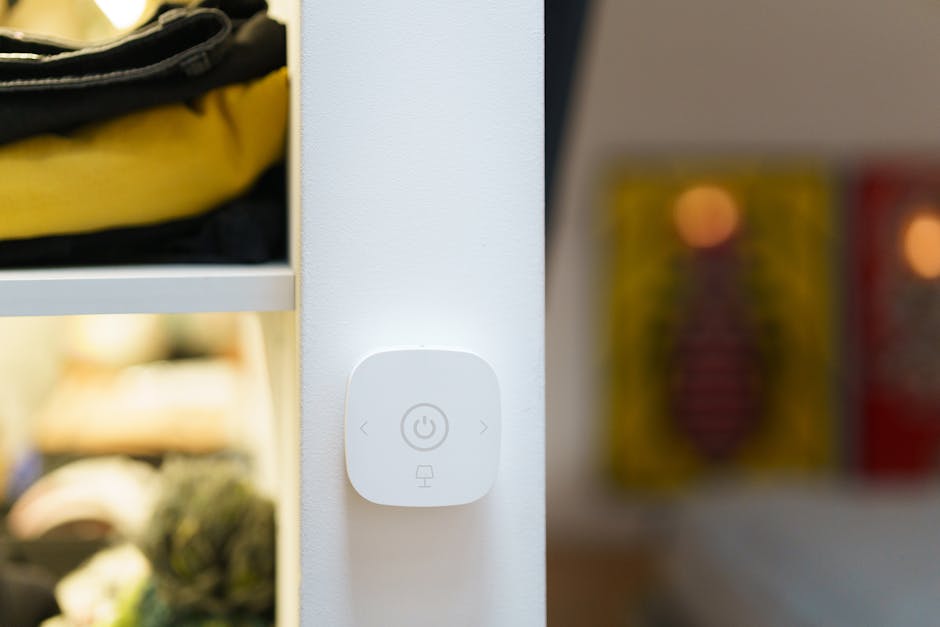 Image: Close-up of a smart home light switch in a modern room interior, showcasing contemporary technology.
- Description: A luxury residential development featuring sustainable design and smart home technology.
- Key Features: Solar panels, rainwater harvesting, smart irrigation, energy-efficient appliances, and a home automation system.
- Results: Residents have reported a 30% reduction in energy bills and a 20% reduction in water consumption. The project has received LEED Gold certification.
- Sustainability Highlights: Use of recycled building materials and landscaping with native plants.
Case Study 2: Detailed analysis of a commercial project
Project: Bahrain World Trade Center
- Description: An iconic commercial building featuring integrated wind turbines and sustainable design elements.
- Key Features: Three wind turbines that generate approximately 15% of the building's electricity, energy-efficient lighting, and water conservation measures.
- Results: The building has significantly reduced its carbon footprint and energy consumption.
- Sustainability Highlights: Innovative design that incorporates renewable energy generation.
Interviews with Architects and Developers: Insights from the Field
Architect, Mr. Ahmed Al-Fardan (Al-Fardan Architects): "We are seeing a growing demand from our clients for sustainable design and smart home technology. They are increasingly aware of the environmental and economic benefits."
Developer, Ms. Fatima Al-Khalifa (Al-Khalifa Real Estate): "Sustainable smart homes are the future of real estate in Bahrain. We are committed to incorporating sustainable practices in all our projects."
Resident Testimonials: Living in a Sustainable Smart Home
Resident, Mr. Ali Mohammed: "Living in a sustainable smart home has been a game-changer. My energy bills have been significantly reduced, and I feel good knowing that I am doing my part to protect the environment."
Resident, Ms. Aisha Ahmed: "The smart home technology makes my life so much easier. I can control the lighting, temperature, and security from my smartphone."
Challenges and Opportunities in the Bahraini Market
Despite the growing popularity of sustainable smart homes, several challenges and opportunities exist in the Bahraini market.
Initial Investment Costs: Overcoming the Hurdle
The initial investment costs of sustainable smart homes can be higher than conventional homes.
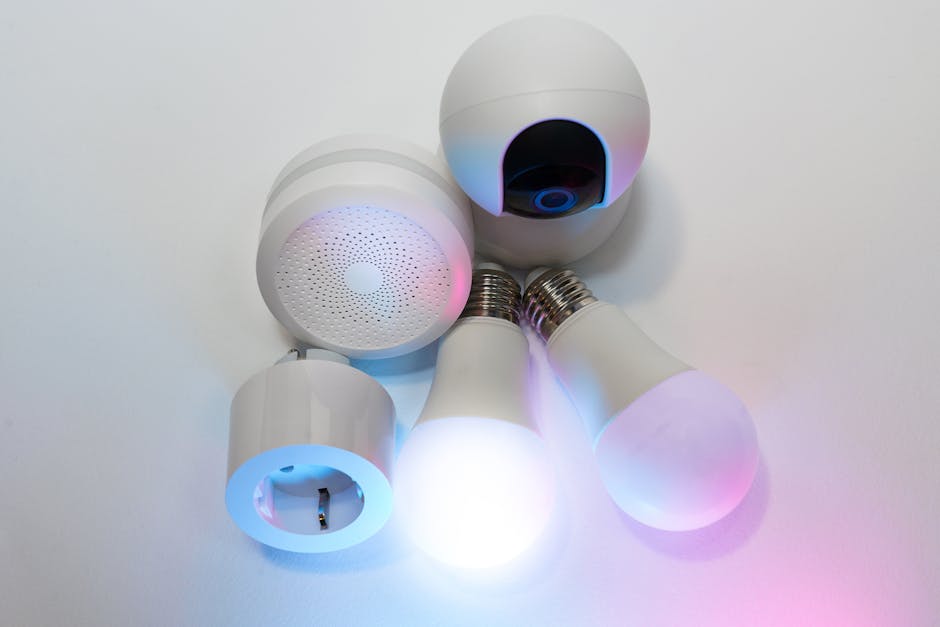 Image: A collection of smart home devices including light bulbs, a security camera, and a smart hub.
- Higher Cost of Materials: Sustainable materials and smart technologies can be more expensive.
- Installation Costs: Installing solar panels and smart home systems can require specialized labor.
- Financing Options: Limited availability of green mortgages and financing options.
Solution: Government incentives, innovative financing models, and economies of scale can help reduce initial investment costs.
Regulatory Landscape: Current Policies and Incentives
Bahrain's regulatory landscape is evolving to support sustainable building practices.
- Building Codes: Gradually incorporating energy efficiency and sustainability standards.
- Green Building Certification: Encouraging LEED and other green building certifications.
- Government Incentives: Tax breaks, rebates, and subsidies for sustainable projects.
Opportunity: Strengthening regulations and incentives can further promote the adoption of sustainable smart homes.
Availability of Skilled Labor: Training and Development
A shortage of skilled labor can hinder the implementation of sustainable smart homes.
- Lack of Trained Installers: Limited availability of qualified installers for solar panels and smart home systems.
- Need for Specialized Skills: Sustainable construction requires specialized knowledge and skills.
- Training Programs: Investing in training programs to develop a skilled workforce.
Solution: Collaboration between government, industry, and educational institutions to develop training programs.
Consumer Awareness: Educating the Public on the Benefits
Raising consumer awareness about the benefits of sustainable smart homes is crucial.
- Lack of Awareness: Many consumers are not fully aware of the environmental and economic benefits of sustainable homes.
- Information Campaigns: Conducting public awareness campaigns to educate consumers.
- Demonstration Projects: Showcasing successful sustainable smart home projects.
Opportunity: Educating consumers can drive demand for sustainable smart homes and accelerate market growth.
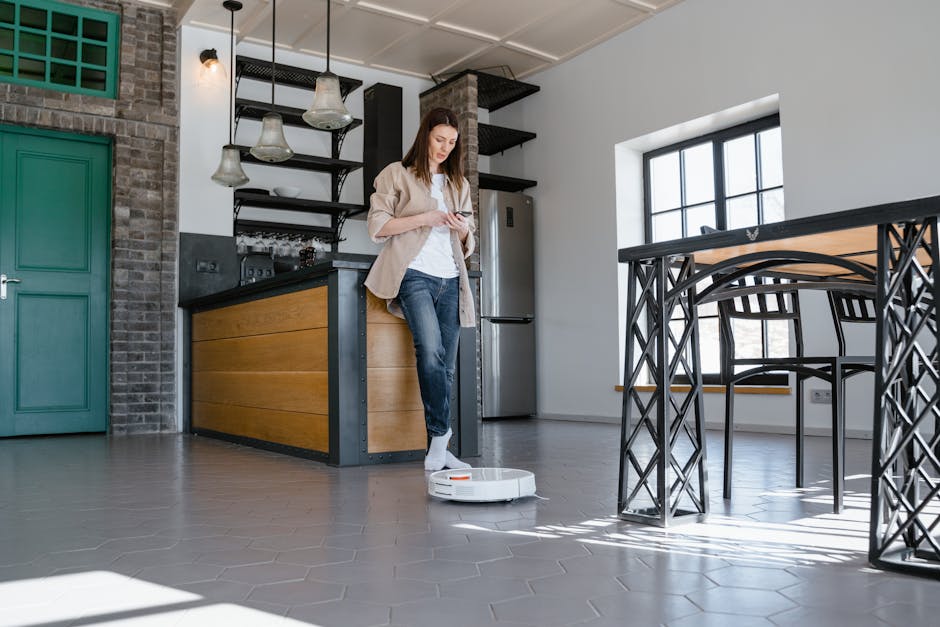 Image: A woman using a robotic vacuum cleaner in a contemporary kitchen setting.
Opportunities for Innovation: Future Trends in Sustainable Technology
Bahrain has the opportunity to be a leader in sustainable technology innovation.
- Smart Grids: Developing smart grids to integrate renewable energy sources.
- Energy Storage: Investing in energy storage technologies to improve grid stability.
- Green Building Materials: Developing locally sourced green building materials.
- AI and IoT Integration: Using AI and IoT to optimize energy and water consumption.
Key Takeaway: Innovation is essential for driving the adoption of sustainable smart homes.
The Future of Sustainable Smart Homes in Bahrain
The future of sustainable smart homes in Bahrain is bright, with emerging technologies, government initiatives, and private sector investment driving innovation and growth.
Emerging Technologies: AI, IoT, and Blockchain
Emerging technologies are poised to transform sustainable smart homes.
- Artificial Intelligence (AI): Optimizing energy and water consumption based on real-time data.
- Internet of Things (IoT): Connecting smart devices and systems for seamless automation.
- Blockchain: Facilitating peer-to-peer energy trading and transparent supply chains.
Prediction: AI-powered smart home systems will become increasingly sophisticated and personalized.
Government Initiatives: Supporting Sustainable Development
Government initiatives will play a crucial role in supporting sustainable development.
- National Energy Efficiency Strategy: Setting ambitious targets for energy reduction.
- Renewable Energy Targets: Increasing the share of renewable energy in the energy mix.
- Green Building Regulations: Enforcing stricter green building standards.
- Incentive Programs: Providing financial incentives for sustainable projects.
Key Takeaway: Government support is essential for creating a favorable environment for sustainable smart homes.
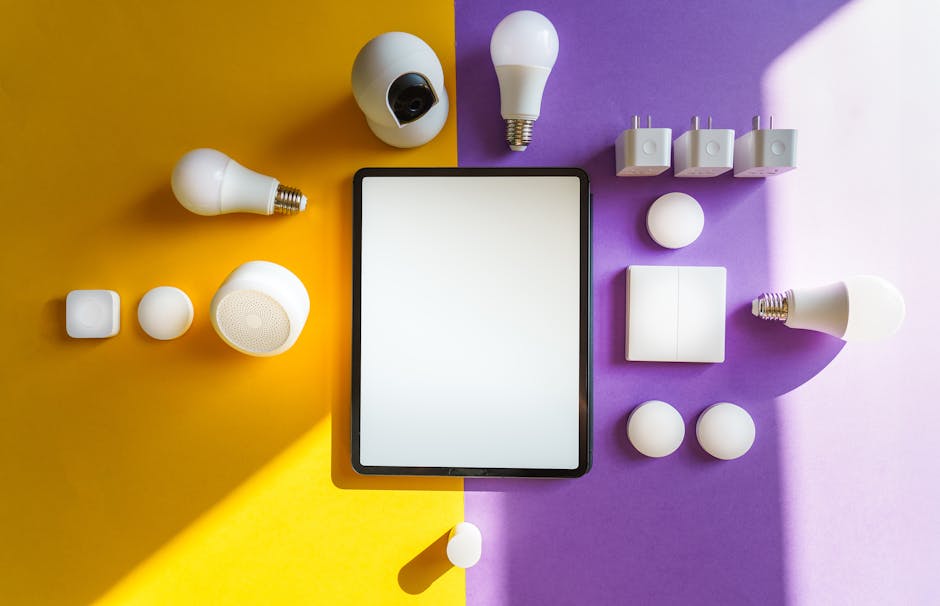 Image: Top view of smart home devices and tablet on split yellow and purple background.
The Role of Private Sector Investment: Driving Innovation
Private sector investment is crucial for driving innovation and scaling up sustainable solutions.
- Venture Capital: Investing in startups developing innovative sustainable technologies.
- Real Estate Development: Incorporating sustainable features in new residential and commercial projects.
- Technology Companies: Developing smart home systems and energy management solutions.
Opportunity: Attracting private sector investment can accelerate the growth of the sustainable smart home market.
Predictions for the Next 5-10 Years
- Increased Adoption: Sustainable smart homes will become more mainstream and affordable.
- Technological Advancements: Smart home systems will become more sophisticated and integrated.
- Government Support: Government policies and incentives will further promote sustainable building.
- Consumer Demand: Consumer awareness and demand for sustainable living will continue to grow.
FAQ: Your Questions About Sustainable Smart Homes Answered
What are the initial costs of installing smart home technology?
Initial costs vary depending on the complexity of the system. A basic smart home setup can start from BD 500, while a more comprehensive system with advanced features can cost upwards of BD 5,000.
What government incentives are available for sustainable building?
The Bahrain government offers several incentives, including tax breaks for green building materials and subsidies for solar panel installations. Check with the Sustainable Energy Unit (SEU) for the most up-to-date information.
How can I retrofit my existing home to be more sustainable?
Retrofitting options include installing energy-efficient windows, upgrading to smart appliances, adding insulation, and installing a smart thermostat. Start with an energy audit to identify areas for improvement.
What are the long-term energy savings I can expect?
 Image: Overhead of smartphone with simple recycling sign on screen placed on white eco friendly mesh bag on marble table in room
Long-term energy savings can range from 15% to 40%, depending on the technologies implemented and the homeowner's energy consumption habits.
Are sustainable smart homes suitable for Bahrain's climate?
Yes, sustainable smart homes are particularly well-suited for Bahrain's climate. Features like solar panels, smart HVAC systems, and water conservation technologies can help mitigate the challenges of a hot and arid environment.
How does smart technology improve indoor air quality?
Smart technology can improve indoor air quality through features like smart ventilation systems, air purifiers, and sensors that monitor air quality levels and automatically adjust ventilation settings.
What are the common challenges faced during implementation?
Common challenges include high initial costs, lack of skilled labor, and limited consumer awareness. Overcoming these challenges requires government support, industry collaboration, and public education.
Where can I find qualified installers and suppliers in Bahrain?
You can find qualified installers and suppliers through industry associations, online directories, and referrals from architects and developers. Look for companies with experience in sustainable building and smart home technology.
What certifications are available for green buildings in Bahrain?
LEED (Leadership in Energy and Environmental Design) is a widely recognized green building certification system. Other certifications include Estidama and BREEAM.
How do I maintain and update my smart home systems?
Regular maintenance and updates are essential for ensuring the optimal performance of smart home systems. Follow the manufacturer's instructions for maintenance and software updates.
Conclusion: Embracing a Sustainable Future in Bahrain
Sustainable smart homes represent a significant opportunity for Bahrain to create a more sustainable and resilient future. By embracing innovative technologies and sustainable practices, Bahrain can reduce its environmental impact, improve the quality of life for its residents, and enhance its economic competitiveness.
Recap of Key Benefits and Opportunities
Sustainable smart homes offer numerous benefits, including reduced energy consumption, water conservation, improved indoor air quality, and increased property value. Bahrain has the opportunity to become a leader in sustainable technology innovation and create a thriving green building market.
Call to Action: Encouraging Readers to Explore Sustainable Options
We encourage readers to explore the possibilities of sustainable smart homes and consider incorporating sustainable features in their own homes. By making conscious choices and investing in sustainable solutions, we can collectively contribute to a more sustainable future for Bahrain.
Final Thoughts on the Importance of Sustainable Living
Sustainable living is not just a trend; it's a necessity. By embracing sustainable practices, we can protect our environment, conserve our resources, and create a better future for generations to come. Bahrain has the potential to be a shining example of sustainable development in the region.