
Solar Showdown: Solomon Islands vs. St. Kitts & Nevis - A Deep Dive into Renewable Energy Leadership
Island nations face an existential threat from rising sea levels and extreme weather events fueled by climate change. Dependence on imported fossil fuels exacerbates this vulnerability, draining economies and contributing to carbon emissions. Renewable energy offers a pathway to resilience and sustainable development. This article compares the renewable energy efforts of the Solomon Islands and St. Kitts & Nevis to determine which nation is leading the way.
Introduction: The Urgent Need for Renewable Energy in Island Nations
Island nations are disproportionately affected by climate change, despite contributing minimally to global greenhouse gas emissions. Their geographical isolation and small size make them particularly vulnerable to rising sea levels, extreme weather events, and disruptions to global supply chains.
Overview of the vulnerability of island nations to climate change.
Rising sea levels threaten coastal communities and infrastructure, forcing displacement and impacting livelihoods. Increased frequency and intensity of extreme weather events, such as hurricanes and cyclones, cause widespread damage and economic losses. Changes in precipitation patterns and ocean acidification further threaten water resources and marine ecosystems.
The economic impact of reliance on imported fossil fuels.
Many island nations rely heavily on imported fossil fuels, particularly diesel, for electricity generation. This dependence creates a volatile energy market, exposing them to price fluctuations and supply disruptions. The cost of importing fossil fuels can represent a significant portion of their GDP, diverting resources from other essential sectors like education and healthcare.
Why renewable energy is crucial for sustainable development.
Renewable energy offers a pathway to energy independence, reducing reliance on imported fossil fuels and stabilizing energy costs. It also contributes to climate change mitigation by reducing carbon emissions and promoting a cleaner environment. Furthermore, renewable energy projects can create new economic opportunities and jobs in local communities.
Introducing the Solomon Islands and St. Kitts & Nevis as key players.
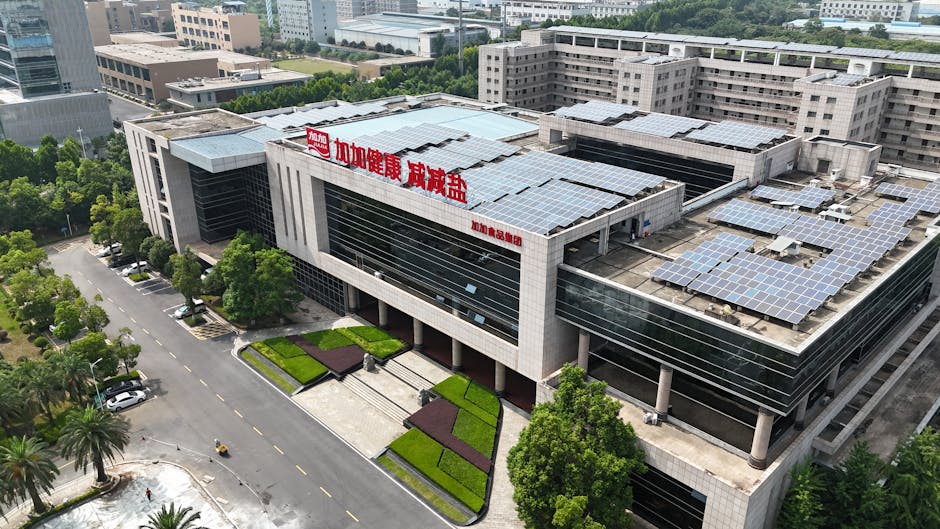 Image: Aerial view of a modern building with solar panels, showcasing sustainable architecture.
The Solomon Islands, located in the Pacific Ocean, and St. Kitts & Nevis, located in the Caribbean Sea, are both island nations facing similar challenges related to climate change and energy security. They have both recognized the importance of renewable energy and have implemented various initiatives to promote its adoption.
Setting the stage for a comparative analysis of their renewable energy efforts.
This article will provide a detailed comparative analysis of the renewable energy efforts of the Solomon Islands and St. Kitts & Nevis, focusing on their policy frameworks, technology adoption, investment strategies, community engagement, grid integration, and environmental impact. The goal is to identify the strengths and weaknesses of each nation's approach and determine which nation is currently leading the way in renewable energy adoption.
Solar Showdown: Solomon Islands vs. St. Kitts & Nevis - Which Island Nation is Leading the Way in Renewable Energy?
St. Kitts & Nevis is currently leading the way in renewable energy adoption due to its proactive government policies, focus on large-scale solar farms, and plans for geothermal energy. While the Solomon Islands face greater infrastructure and financing challenges, it is making strides in community-based solar projects and has significant potential for future growth.
The Energy Landscape of the Solomon Islands
The Solomon Islands faces significant energy challenges due to its dispersed population across numerous islands and limited infrastructure. The country relies heavily on imported diesel for electricity generation, which is both expensive and environmentally unsustainable.
Current energy mix: Dominance of diesel generators and its consequences.
Diesel generators account for approximately 95% of electricity generation in the Solomon Islands. This dependence on diesel results in high electricity costs, estimated at $0.50-$0.70 per kWh, impacting businesses and households. Carbon emissions from diesel generators contribute to climate change and air pollution.
Government policies and targets for renewable energy adoption.
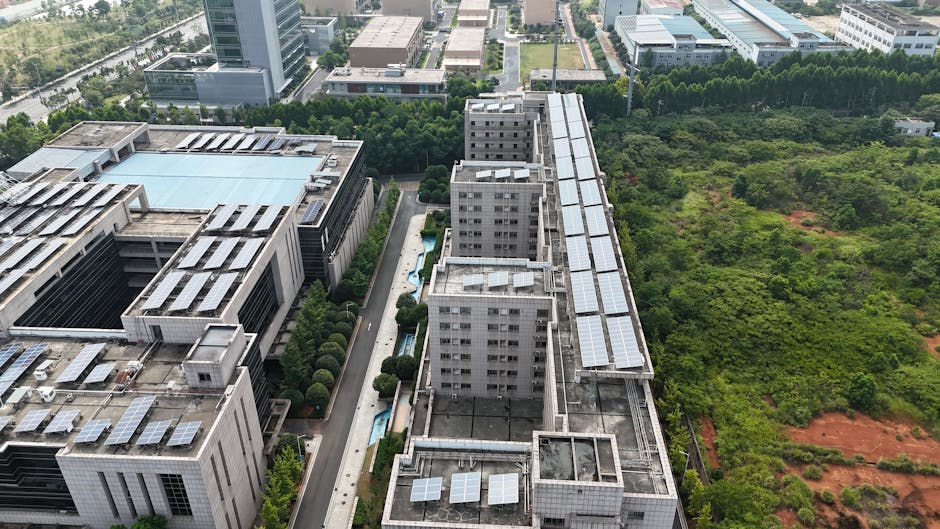 Image: Aerial urban landscape with solar-panel rooftops and green spaces.
The Solomon Islands National Energy Policy aims to increase renewable energy's share of electricity generation to 50% by 2030. The government offers tax incentives and subsidies for renewable energy projects, particularly in rural areas. The policy prioritizes solar energy, followed by hydropower and biomass.
Solar energy projects: Scale, investment, and impact.
Most solar energy projects in the Solomon Islands are small-scale, off-grid systems serving rural communities. The Tina River Hydropower Project, expected to be completed in 2025, will significantly increase renewable energy capacity. Investment in solar energy projects is primarily funded by international development agencies and private investors.
- Key takeaway: Small-scale solar is critical for electrifying remote areas.
Challenges faced: Infrastructure limitations, financing hurdles, and community engagement.
Limited grid infrastructure and the dispersed nature of the islands pose challenges for grid integration of renewable energy sources. Access to financing is a major hurdle for project developers, particularly for community-based initiatives. Ensuring community engagement and ownership is crucial for the long-term sustainability of renewable energy projects.
- Infrastructure: Lack of robust grid infrastructure to distribute power from centralized renewable energy sources.
- Financing: Difficulty securing funding for large-scale renewable energy projects due to perceived risk and limited access to capital.
- Community Engagement: Ensuring local communities are involved in the planning and implementation of projects to foster ownership and sustainability.
Success stories: Case studies of successful solar installations (Expert Real-world Example)
The Barefoot Solar Engineers project, implemented by the Barefoot College, has trained women from remote villages in the Solomon Islands to install and maintain solar home systems. This initiative has provided access to electricity for thousands of households, improving living standards and empowering women. For example, in the village of Gizo, a 30kW solar microgrid installed by Barefoot College-trained engineers now powers 150 homes, a school, and a clinic, reducing reliance on costly and polluting kerosene lamps.
Future prospects: Planned projects and potential for growth.
 Image: Close-up of a Chinese Bible page partially covered by a plant shadow.
The Solomon Islands has significant potential for renewable energy development, particularly in solar, hydropower, and biomass. Planned projects include the expansion of solar mini-grids in rural areas and the development of additional hydropower plants. The government is also exploring the potential for geothermal energy resources.
The Energy Landscape of St. Kitts & Nevis
St. Kitts & Nevis, an island nation in the Caribbean, has made significant strides in diversifying its energy mix and reducing its reliance on fossil fuels. The government has implemented policies and incentives to promote renewable energy development, with a focus on solar and geothermal energy.
Current energy mix: Dependence on fossil fuels and efforts to diversify.
Historically, St. Kitts & Nevis has relied heavily on imported diesel for electricity generation. However, the government has set ambitious targets for renewable energy adoption, aiming to achieve a 100% renewable energy supply by 2030. Efforts to diversify the energy mix include the development of large-scale solar farms and the exploration of geothermal resources.
Government policies and incentives for renewable energy development.
The government offers tax exemptions, import duty waivers, and feed-in tariffs for renewable energy projects. The National Energy Policy outlines a clear framework for renewable energy development and provides incentives for private sector investment. The government also provides technical assistance and training to local communities.
Solar energy projects: Focus on large-scale solar farms and grid integration.
St. Kitts & Nevis has focused on developing large-scale solar farms to increase its renewable energy capacity. The 10 MW solar farm in St. Kitts, commissioned in 2018, is one of the largest solar installations in the Caribbean. Efforts are underway to improve grid integration to accommodate the intermittent nature of solar energy.
- Key Takeaway: Large-scale solar farms are crucial for reducing dependence on fossil fuels.
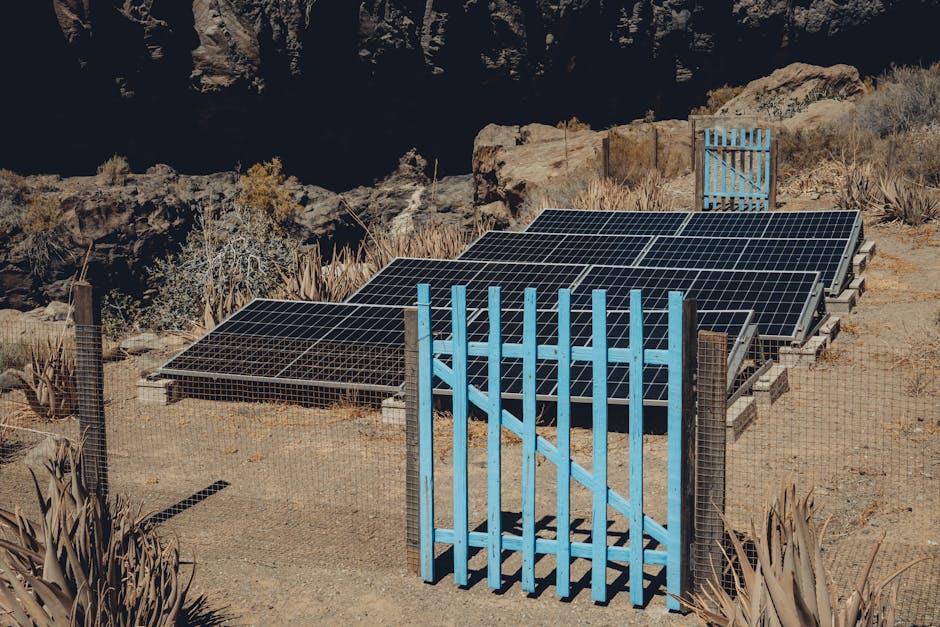 Image: Solar panels set in an arid landscape of Alajeró, reflecting renewable energy efforts in Canary Islands.
Challenges faced: Land scarcity, grid stability issues, and regulatory complexities.
Land scarcity is a major challenge for developing large-scale renewable energy projects. Grid stability issues arise due to the intermittent nature of solar energy, requiring investments in energy storage and grid management systems. Regulatory complexities and bureaucratic hurdles can delay project development.
- Land Scarcity: Limited land availability for large-scale solar farms, especially on smaller islands.
- Grid Stability: Maintaining grid stability with intermittent renewable energy sources like solar requires advanced grid management and energy storage solutions.
- Regulatory Complexities: Navigating complex regulatory frameworks and obtaining necessary permits can delay project development.
Success stories: Case studies of successful solar installations (Expert Real-world Example)
The 10 MW solar farm in St. Kitts, developed by Leclanché SA, has significantly reduced the island's dependence on diesel fuel. The project includes a 4.4 MWh battery energy storage system (BESS) to improve grid stability and ensure a reliable power supply. The solar farm generates approximately 25% of the island's electricity needs, saving the country an estimated $3 million per year in fuel costs and reducing carbon emissions by 22,000 tons annually.
Future prospects: Plans for geothermal energy and further expansion of solar capacity.
St. Kitts & Nevis has significant geothermal energy potential and is actively pursuing its development. The government plans to develop a 10 MW geothermal power plant on Nevis, which would provide a baseload renewable energy source. Further expansion of solar capacity is also planned, with a focus on integrating energy storage solutions.
Comparative Analysis: Solomon Islands vs. St. Kitts & Nevis
While both island nations are committed to renewable energy, their approaches differ significantly due to their unique circumstances. St. Kitts & Nevis has focused on large-scale solar farms and geothermal energy, while the Solomon Islands has prioritized small-scale, community-based solar projects.
Policy Framework: Strengths and weaknesses of each nation's approach.
 Image: Wooden Scrabble tiles arranged on a textured surface forming words.
St. Kitts & Nevis has a well-defined National Energy Policy with clear targets and incentives for renewable energy development. The Solomon Islands also has a National Energy Policy, but its implementation is hampered by limited resources and capacity.
| Feature | Solomon Islands | St. Kitts & Nevis | | ----------------- | ----------------------------------------------- | ------------------------------------------------ | | Policy Framework | National Energy Policy, implementation challenges | Well-defined National Energy Policy, strong incentives | | Targets | 50% renewable energy by 2030 | 100% renewable energy by 2030 | | Incentives | Tax incentives, subsidies | Tax exemptions, import duty waivers, feed-in tariffs |
Technology Adoption: Solar technology choices and their effectiveness.
St. Kitts & Nevis has focused on large-scale solar farms with battery energy storage systems. The Solomon Islands has primarily adopted small-scale, off-grid solar home systems and mini-grids.
- St. Kitts & Nevis: Centralized solar farms with battery storage.
- Solomon Islands: Decentralized solar home systems and mini-grids.
Investment and Financing: Sources of funding and their impact on project success.
St. Kitts & Nevis has attracted significant private sector investment in renewable energy projects. The Solomon Islands relies heavily on international development agencies for funding.
- St. Kitts & Nevis: Private sector investment, government incentives.
- Solomon Islands: International development agencies, limited private investment.
Community Engagement: How local communities are involved in renewable energy projects.
The Solomon Islands has a strong focus on community engagement, with many projects implemented in partnership with local communities. St. Kitts & Nevis is increasingly focusing on community involvement, but there is room for improvement.
 Image: Classic typewriter with 'to blog or not to blog' typed on paper.
Grid Integration: Challenges and solutions for incorporating renewable energy into the existing grid.
St. Kitts & Nevis faces challenges related to grid stability due to the intermittent nature of solar energy. The Solomon Islands has limited grid infrastructure, making grid integration a significant challenge.
- St. Kitts & Nevis: Grid stability issues, battery storage solutions.
- Solomon Islands: Limited grid infrastructure, off-grid solutions.
Environmental Impact: Assessing the environmental benefits of renewable energy in each nation.
Both nations have significantly reduced carbon emissions by transitioning to renewable energy. Renewable energy projects also contribute to reduced air and water pollution.
Addressing the Competitor Gaps: Detailed FAQ
Here are some frequently asked questions related to renewable energy adoption in island nations, addressing gaps often found in competitor content.
What are the main barriers to renewable energy adoption in island nations?
The main barriers include limited access to financing, lack of technical expertise, inadequate grid infrastructure, land scarcity, regulatory complexities, and vulnerability to natural disasters. These barriers require tailored solutions that address the specific context of each island nation.
How can international organizations support renewable energy development in these regions?
 Image: HTML code displayed on a screen, demonstrating web structure and syntax.
International organizations can provide technical assistance, financial support, capacity building, and policy guidance. They can also facilitate knowledge sharing and collaboration between island nations and other countries with experience in renewable energy development.
What are the potential economic benefits of transitioning to renewable energy?
Transitioning to renewable energy can lead to reduced energy costs, increased energy security, new job creation, economic diversification, and improved competitiveness. It can also attract foreign investment and promote sustainable tourism.
What are the social implications of renewable energy projects in local communities?
Renewable energy projects can improve access to electricity, enhance education and healthcare services, empower women, and promote community development. However, it is important to ensure that projects are implemented in a way that respects local customs and traditions and avoids displacement or negative impacts on livelihoods.
How do the renewable energy strategies of these nations compare to other island nations in the Pacific and Caribbean?
Many island nations in the Pacific and Caribbean are pursuing similar renewable energy strategies, focusing on solar, wind, geothermal, and hydropower. However, the specific mix of technologies and the pace of adoption vary depending on the unique circumstances of each nation. Some island nations are more advanced in their renewable energy transition than others. For example, Aruba and Iceland are well known for their renewable energy leadership.
What role does energy storage play in ensuring grid stability with intermittent renewable sources?
Energy storage, particularly battery energy storage systems (BESS), plays a crucial role in ensuring grid stability by smoothing out fluctuations in renewable energy supply, providing frequency regulation, and enhancing grid resilience. Energy storage can also enable greater penetration of renewable energy into the grid.
How are these island nations addressing the issue of e-waste from solar panels?
 Image: Wooden letters spell Hodgkin Lymphoma, conveying a health awareness message on blue background.
Proper e-waste management is crucial to avoid environmental pollution. Some island nations are developing national e-waste management strategies and establishing collection and recycling programs. Collaboration with international organizations and private sector companies is essential to ensure responsible e-waste management.
What innovative financing models are being used to overcome financial barriers?
Innovative financing models include crowdfunding, green bonds, renewable energy cooperatives, and public-private partnerships. These models can help to mobilize private capital and reduce reliance on traditional sources of funding.
Conclusion: Which Nation is Leading the Way and What Can We Learn?
Both the Solomon Islands and St. Kitts & Nevis are making progress in transitioning to renewable energy, but they are at different stages of development and have adopted different approaches.
Summarizing the key findings of the comparative analysis.
St. Kitts & Nevis has a more developed policy framework, has attracted more private sector investment, and has focused on large-scale solar farms with battery energy storage. The Solomon Islands faces greater challenges due to its dispersed population, limited infrastructure, and reliance on international development agencies.
Identifying the strengths and weaknesses of each nation's approach.
St. Kitts & Nevis' strengths include its strong policy framework and focus on large-scale projects. Its weaknesses include land scarcity and potential social impacts of large-scale projects. The Solomon Islands' strengths include its focus on community engagement and its potential for distributed renewable energy solutions. Its weaknesses include limited infrastructure and access to financing.
Determining which nation is currently leading the way in renewable energy adoption.
Based on the current state of renewable energy development, St. Kitts & Nevis is currently leading the way due to its higher penetration of renewable energy in its electricity mix and its plans for geothermal energy development.
Highlighting the lessons learned from their experiences.
The experiences of St. Kitts & Nevis highlight the importance of strong government policies, private sector investment, and grid integration solutions. The experiences of the Solomon Islands highlight the importance of community engagement, distributed renewable energy solutions, and capacity building.
Offering recommendations for other island nations and global stakeholders.
Other island nations can learn from the experiences of St. Kitts & Nevis and the Solomon Islands by adopting tailored renewable energy strategies that address their specific circumstances. Global stakeholders can support these efforts by providing technical assistance, financial support, and policy guidance.
The future of renewable energy for islands
The future of renewable energy for islands is bright, with the potential for complete energy independence and a transition to a sustainable and resilient future. Continued innovation in renewable energy technologies, energy storage solutions, and grid management systems will further accelerate this transition.