
Smart Home, Zero Guilt: Offsetting Your Munich Airport Flight's Carbon Footprint
Flying, especially from a major hub like Munich Airport (MUC), connects us globally but leaves a significant carbon footprint. Frequent flyers are increasingly aware of this impact and are seeking actionable solutions. Smart home technology offers a powerful way to directly mitigate these emissions, turning your home into a carbon offset powerhouse.
Introduction: The High Cost of Takeoff (and How to Mitigate It)
The convenience of air travel comes at an environmental cost. Each flight, especially long-haul routes originating from hubs like Munich Airport (MUC), releases substantial amounts of greenhouse gases into the atmosphere. These emissions contribute to climate change and necessitate a responsible approach from frequent flyers.
There's a growing sense of responsibility among those who frequently use air travel. Individuals are actively looking for ways to minimize their impact and contribute to a more sustainable future. This includes exploring alternative transportation methods when possible, choosing airlines with better fuel efficiency, and, crucially, offsetting their carbon footprint.
Offsetting, in its simplest form, involves counteracting the emissions produced by an activity (like flying) by reducing emissions elsewhere. This can be achieved through various mechanisms, such as investing in renewable energy projects or reforestation initiatives.
Smart home technology provides a tangible and effective means for individuals to directly reduce their carbon footprint and offset flight emissions, turning your home into a tool for environmental responsibility. By optimizing energy consumption and embracing renewable sources, you can actively neutralize the environmental impact of your travels.
Understanding Your Flight's Carbon Footprint from Munich (MUC)
Offsetting your flight's carbon footprint starts with understanding how it's calculated. Several factors contribute to the overall emissions associated with a flight.
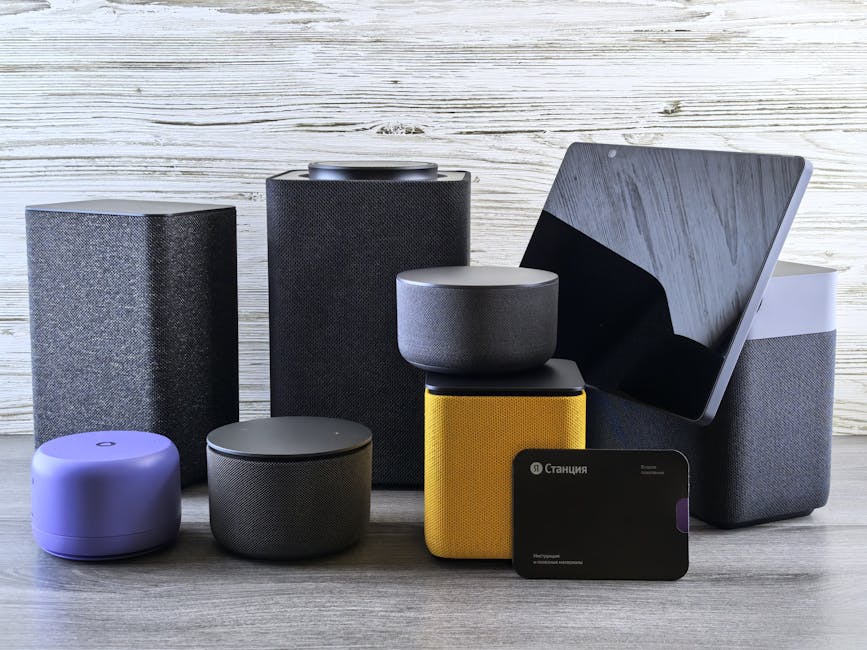 Image: A collection of various smart home speakers and tablet displayed on a wooden surface.
Key factors influencing a flight's carbon footprint:
- Distance: Longer flights inherently consume more fuel and generate more emissions.
- Aircraft Type: Different aircraft models have varying fuel efficiencies. Newer aircraft are typically more efficient.
- Fuel Efficiency: Measured in terms of fuel consumption per passenger mile.
- Load Factor: The percentage of seats occupied on a flight. Higher load factors result in lower per-passenger emissions.
- Altitude and Flight Path: These factors influence fuel consumption and the impact of emissions on the atmosphere.
Several online carbon calculators are available to estimate your flight's carbon footprint. These tools use algorithms that consider the factors listed above.
Popular Carbon Footprint Calculators:
- ICAO Carbon Calculator: Developed by the International Civil Aviation Organization. A good starting point, but can be less precise.
- atmosfair: A German non-profit organization that offers a detailed calculator and invests in carbon offset projects. Known for its rigorous methodology.
- myclimate: A Swiss non-profit organization providing carbon footprint calculations and offset options. Focuses on high-quality offset projects.
Recommendation: For flights from Munich Airport (MUC), atmosfair is often recommended due to its German origin and focus on European aviation, potentially providing more accurate calculations for routes common to MUC.
Let's consider a specific example: a round-trip flight from Munich (MUC) to New York (JFK). Using atmosfair's calculator, a typical economy class flight for one passenger would generate approximately 1.8 tonnes of CO2 emissions. This figure can vary depending on the specific aircraft and load factor, but it provides a baseline for understanding the impact of such a journey.
It's also crucial to remember that CO2 isn't the only greenhouse gas emitted by aircraft. Other gases, such as nitrous oxide and water vapor, also contribute to climate change. These gases have a greater warming effect at higher altitudes, a phenomenon known as radiative forcing. Experts estimate that radiative forcing can increase the overall impact of aviation emissions by a factor of two or more.
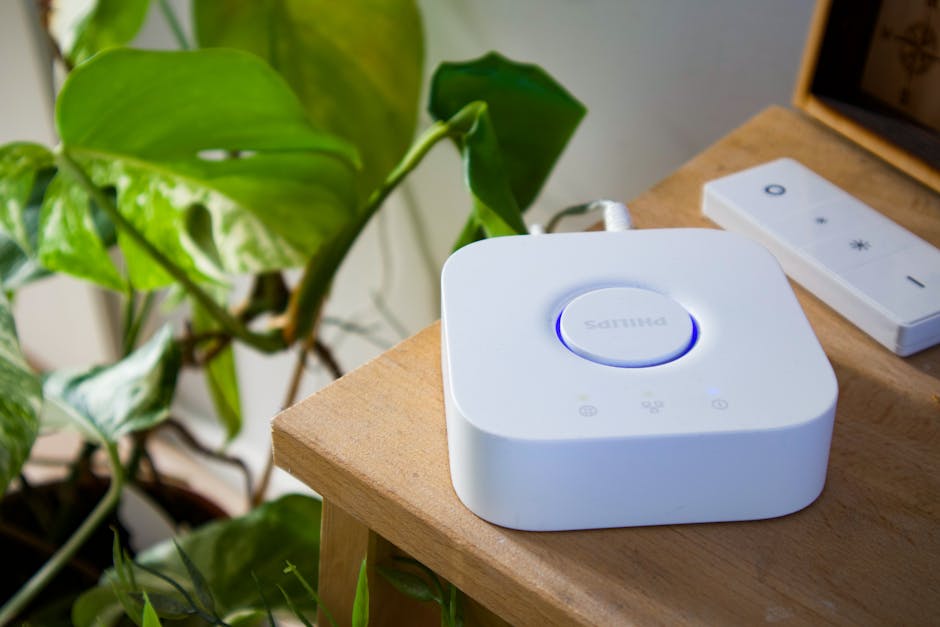 Image: Philips smart hub beside a leafy plant in a stylish indoor setting, showcasing modern home automation.
Smart Home Tech as a Carbon Offset Powerhouse: A Deep Dive
Smart home technology provides a powerful means of reducing energy consumption and, consequently, offsetting your carbon footprint. Here's how various smart home devices can contribute:
Smart Thermostats: These devices learn your heating and cooling preferences and automatically adjust the temperature to optimize energy efficiency. They can also be controlled remotely, allowing you to adjust the temperature while you're away, further reducing energy waste.
- ROI Analysis: A smart thermostat can reduce heating and cooling costs by 10-12% annually. For a household with average heating and cooling bills of €1500 per year, this translates to savings of €150-€180 annually. The upfront cost of a smart thermostat (€150-€250) can be recouped within 1-2 years.
Smart Lighting: LED bulbs are significantly more energy-efficient than traditional incandescent or halogen bulbs. Smart lighting systems can also incorporate motion sensors and automated schedules to ensure that lights are only on when needed.
- Case Study: Replacing all incandescent bulbs in a typical Munich apartment with smart LED bulbs and implementing a schedule to turn off lights automatically in unoccupied rooms can reduce lighting energy consumption by up to 75%, according to a study by the Technical University of Munich.
Smart Plugs and Energy Monitoring: Many electronic devices consume energy even when they are turned off, a phenomenon known as phantom load. Smart plugs allow you to remotely turn off devices that are not in use, eliminating phantom loads. Energy monitoring systems provide detailed data on your energy consumption, allowing you to identify areas where you can reduce your usage.
- Quantifiable Savings: A typical household can save 5-10% on their electricity bill by eliminating phantom loads with smart plugs and actively monitoring their energy consumption. This can translate to savings of €50-€100 per year.
 Image: Top view of smart home devices and tablet on split yellow and purple background.
Smart Appliances: Energy-efficient appliances, such as dishwashers, washing machines, and refrigerators, can significantly reduce your energy consumption. Look for appliances with high energy efficiency ratings (e.g., A+++). Smart appliances can also be programmed to operate during off-peak hours, when electricity rates are lower.
Solar Panels and Renewable Energy Integration: Generating your own clean energy with solar panels is one of the most effective ways to offset your carbon footprint. Solar panels can significantly reduce your reliance on the grid, lowering your carbon emissions and saving you money on your electricity bill.
- Investment Considerations: The cost of installing solar panels varies depending on the size of the system and local incentives. However, government subsidies and tax credits can significantly reduce the upfront cost. A typical residential solar panel system in Munich can pay for itself within 8-12 years, while also significantly reducing your carbon footprint.
Smart Water Management: Smart water management systems can detect leaks and optimize irrigation systems, reducing water waste and conserving resources. Leak detection systems can alert you to leaks early on, preventing costly water damage and wasted water.
Real-World Examples: Professionals Using Smart Home Tech to Offset Flights
Here are some examples of how professionals are using smart home technology to offset their flight emissions:
Case Study 1: Executive Traveling Weekly from MUC to London.
- Travel Pattern: Weekly round-trip flights from Munich (MUC) to London (LHR).
- Smart Home Setup: Smart thermostat, smart lighting, smart plugs, energy monitoring system.
- Calculated Offset: The executive's smart home setup reduces their annual carbon footprint by approximately 2 tonnes of CO2, effectively offsetting 1.1 round-trip flights between Munich and London (based on an atmosfair calculation of 1.8 tonnes CO2/flight).
 Image: A sleek blue electric smart car parked outdoors, showcasing modern automotive design.
Case Study 2: Consultant Flying Monthly from MUC to San Francisco.
- Travel Pattern: Monthly round-trip flights from Munich (MUC) to San Francisco (SFO).
- Smart Home Setup: Solar panels, smart thermostat, smart appliances, energy monitoring system.
- Carbon Neutrality Goals: The consultant generates enough renewable energy to offset their home's electricity consumption and contribute surplus energy back to the grid, resulting in a net-positive carbon footprint. This offsets approximately 4.5 tonnes of CO2 annually, covering a significant portion of their monthly flights.
Case Study 3: Entrepreneur with a Home Office near Munich, leveraging smart home tech to minimize overall environmental impact alongside travel.
- Travel Pattern: Occasional flights for conferences and client meetings, averaging 4 round trips per year.
- Smart Home Setup: Comprehensive smart home system including smart thermostat, lighting, plugs, energy monitoring, water leak detection, and integration with a local green energy provider.
- Quantifiable results: The entrepreneur's smart home setup reduces their annual carbon footprint by 1.5 tonnes of CO2, effectively offsetting 0.8 round-trip flights. By choosing a green energy provider, they ensure the electricity they do consume is from renewable sources, further minimizing their impact.
Quantifiable Results Summary:
| Case Study | Travel Pattern | Smart Home Setup | Annual Carbon Offset (tonnes CO2) | Flights Offset (Approx.) | | ----------- | ---------------------------------------------- | ----------------------------------------------------------------------------------- | ---------------------------------- | ------------------------ | | 1 | Weekly MUC-LHR | Smart Thermostat, Lighting, Plugs, Energy Monitoring | 2 | 1.1 | | 2 | Monthly MUC-SFO | Solar Panels, Smart Thermostat, Appliances, Energy Monitoring | 4.5 | N/A (net positive) | | 3 | Occasional Business Travel | Comprehensive Smart Home + Green Energy Provider | 1.5 | 0.8 |
Building Your Carbon-Neutral Smart Home: A Step-by-Step Guide
Creating a carbon-neutral smart home involves a strategic approach to energy reduction and renewable energy integration. Here's a step-by-step guide:
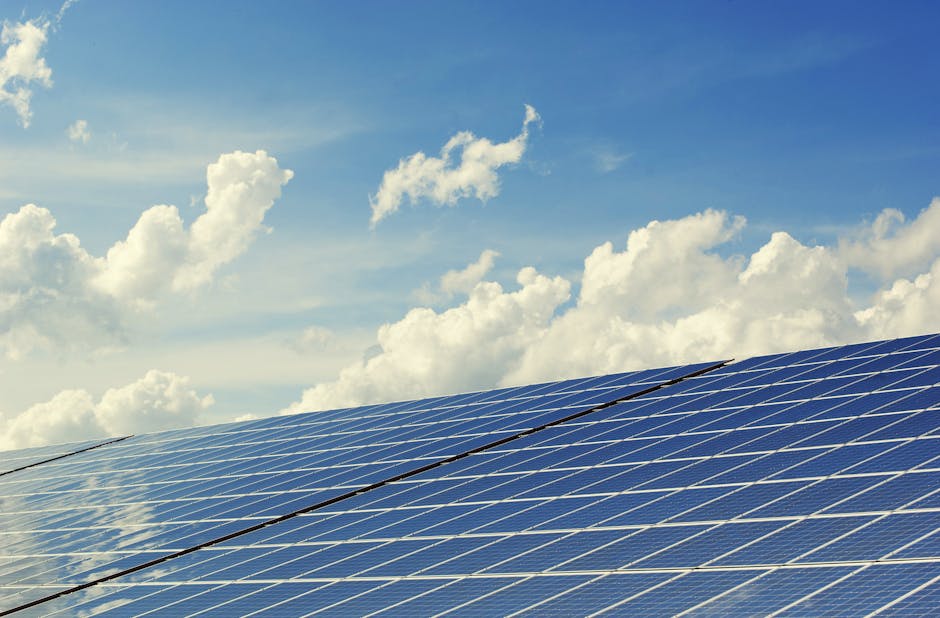 Image: Sleek modern solar panels under a vibrant blue sky with clouds, symbolizing clean energy.
Step 1: Assess Your Current Energy Consumption (Baseline Measurement).
- Review your past utility bills to understand your average monthly energy consumption.
- Use an energy monitoring system to identify areas where you can reduce your usage.
- Conduct an energy audit to identify potential energy leaks and inefficiencies.
Step 2: Prioritize Energy-Saving Technologies Based on Your Needs and Budget.
- Start with the most cost-effective solutions, such as smart thermostats and smart lighting.
- Consider investing in energy-efficient appliances when replacing old appliances.
- Explore solar panel installation if your home is suitable and you have the budget.
Step 3: Install and Configure Smart Home Devices (DIY vs. Professional Installation).
- Many smart home devices can be easily installed yourself.
- For more complex installations, such as solar panels, consider hiring a professional installer.
- Ensure that all devices are properly configured and integrated with your smart home system.
Step 4: Monitor and Track Your Progress (Energy Dashboard and Data Analysis).
- Use your energy dashboard to track your energy consumption over time.
- Analyze the data to identify areas where you can further reduce your usage.
- Adjust your smart home settings as needed to optimize energy efficiency.
 Image: A sleek smartphone with modern smart home devices on a minimalist gray background.
Step 5: Continuously Optimize Your Smart Home Setup.
- Stay up-to-date on the latest energy-saving technologies and best practices.
- Regularly review your energy consumption data and make adjustments as needed.
- Consider participating in energy-saving programs offered by your utility company.
Tools and Resources:
- Recommended Products:
- Smart Thermostats: Nest Learning Thermostat, Ecobee SmartThermostat.
- Smart Lighting: Philips Hue, LIFX.
- Smart Plugs: TP-Link Kasa Smart Plug, Amazon Smart Plug.
- Energy Monitoring: Sense Energy Monitor, Emporia Vue.
- Installers (Munich Area): (Fictional Examples - Requires Local Research)
- Sonnenkraftwerk München (Solar Panel Installation)
- SmartHome Solutions GmbH (General Smart Home Installation)
- Carbon Offset Programs: atmosfair, myclimate, Gold Standard.
The Future of Flight Offsetting: Smart Homes and Beyond
The integration of smart homes with carbon offset programs and emerging technologies promises to further enhance the effectiveness of flight offsetting.
Integration with Carbon Offset Programs: Smart home systems could automatically calculate your carbon footprint reduction and contribute to verified offset projects. This could involve automatically donating a portion of your energy savings to a chosen carbon offset program.
Blockchain and Transparency: Blockchain technology can be used to track and verify carbon reduction efforts, ensuring that carbon offsets are legitimate and effective. This can provide greater transparency and accountability in the carbon offset market.
 Image: Flat lay of smartphone and smart home devices on a white backdrop, showcasing modern technology.
The Role of Government Incentives and Policies: Government incentives and policies can play a crucial role in promoting sustainable travel and smart home adoption. This could include tax credits for energy-efficient appliances and solar panel installations, as well as subsidies for carbon offset programs. The German government, for example, offers various incentives for energy-efficient home improvements.
Emerging Technologies: AI-powered energy management systems can learn your energy consumption patterns and automatically optimize your smart home settings to further reduce energy waste. Predictive maintenance systems can identify potential appliance failures before they occur, preventing energy waste and extending the lifespan of your appliances.
FAQ: Your Burning Questions Answered
Here are some frequently asked questions about offsetting flight emissions with smart home technology:
How much does it cost to set up a carbon-offsetting smart home?
The cost varies depending on the extent of the setup. A basic setup with a smart thermostat, smart lighting, and smart plugs can cost between €500 and €1000. A more comprehensive setup with solar panels and smart appliances can cost several thousand euros.
What is the return on investment (ROI) of smart home technology?
The ROI varies depending on the specific devices and your energy consumption patterns. However, most smart home devices offer a positive ROI within a few years through reduced energy bills. Solar panels can offer a longer-term ROI through reduced electricity costs and potential income from selling excess energy back to the grid.
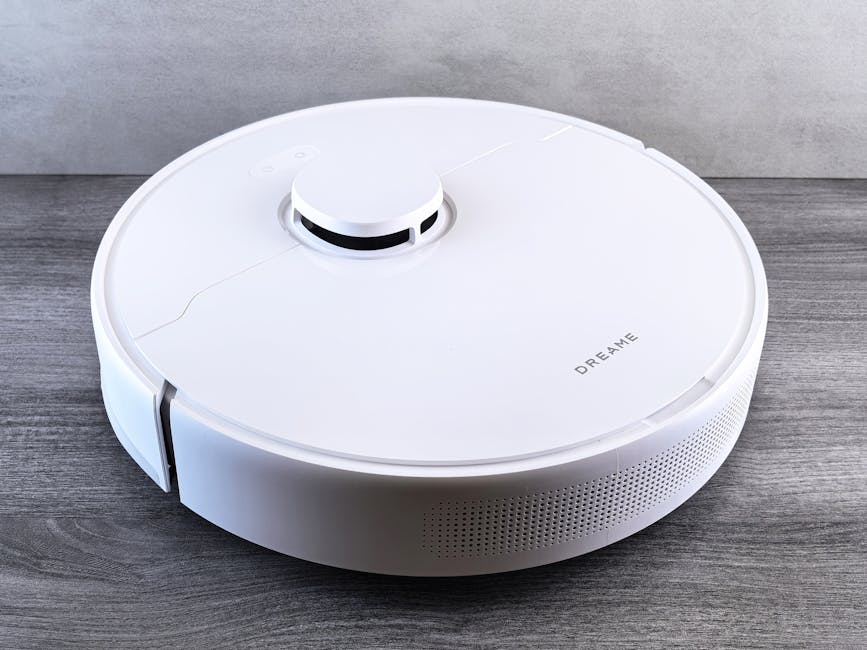 Image: High-angle view of a sleek white robotic vacuum cleaner on a wooden floor, perfect for smart home setups.
Are smart home devices secure from hacking?
Smart home devices can be vulnerable to hacking if not properly secured. It's important to choose devices from reputable manufacturers and to follow security best practices, such as using strong passwords and keeping your devices' software up-to-date.
How do I choose the right smart home devices for my needs?
Consider your energy consumption patterns, budget, and desired level of automation. Start with the most cost-effective solutions and gradually expand your smart home setup as needed. Read reviews and compare different products before making a purchase.
Can I offset flights even if I rent my home?
Yes, you can still offset flights even if you rent. Focus on portable solutions like smart plugs and energy-efficient lighting. You can also contribute to carbon offset programs directly.
What are the limitations of offsetting flight emissions with a smart home?
While effective, a smart home's offsetting capacity is finite. Extremely frequent long-haul flights might require additional offsetting measures, such as direct contributions to verified carbon offset programs.
How can I ensure that my carbon offsets are legitimate and effective?
Choose carbon offset programs that are certified by reputable organizations, such as the Gold Standard or the Verified Carbon Standard (VCS). These certifications ensure that the offset projects are real, measurable, and additional.
Conclusion: Taking Control of Your Carbon Footprint
Using smart home technology to offset flight emissions offers a tangible and effective way to reduce your carbon footprint and contribute to a more sustainable future. By optimizing energy consumption, embracing renewable energy sources, and actively monitoring your progress, you can transform your home into a powerful tool for environmental responsibility.
Take action today to implement smart home solutions and start offsetting your flight emissions. Even small changes can make a big difference. Explore the tools and resources mentioned in this guide and begin building your carbon-neutral smart home.
Addressing climate change requires individual responsibility and collective action. By embracing sustainable practices and leveraging the power of technology, we can create a more sustainable future for ourselves and for generations to come.