
Powering Tomorrowland Thailand: A Deep Dive into Sustainable Energy Solutions for Music Festivals
Music festivals, vibrant celebrations of art and culture, often leave a significant environmental footprint. The reliance on fossil fuels for power generation contributes to carbon emissions and local pollution, jeopardizing the very environment we enjoy. This article explores concrete, sustainable energy solutions tailored for Tomorrowland Thailand, aiming to minimize its environmental impact and set a new standard for eco-conscious event management.
Introduction: The Urgent Need for Green Festivals
Music festivals are powerful cultural engines, but their massive energy consumption poses a significant threat to environmental sustainability. From powering massive sound systems to illuminating sprawling stages, the energy demands of these events are substantial and traditionally met by fossil fuels. The time for sustainable alternatives is now, and Tomorrowland Thailand has an opportunity to lead the way.
The Environmental Impact of Music Festivals: A Global Perspective
Music festivals, while providing entertainment and economic benefits, contribute to environmental degradation in several ways. These impacts include carbon emissions from power generation, waste production, noise pollution, and habitat disruption. A 2023 study by the "Global Event Sustainability Initiative" found that a typical large-scale music festival generates an average of 500 tonnes of CO2 emissions.
- Carbon Footprint: Predominantly from diesel generators.
- Waste Generation: Landfill burden and potential pollution.
- Water Usage: Impacts local water resources.
- Noise Pollution: Disrupts local wildlife and communities.
Tomorrowland Thailand: A Case Study in Sustainable Event Management
Tomorrowland Thailand presents a unique opportunity to demonstrate sustainable event management practices in a Southeast Asian context. The festival's scale and global visibility make it an ideal platform to showcase innovative energy solutions and inspire other events to adopt similar measures.
Why Sustainable Energy Matters: Beyond the 'Green' Label
Adopting sustainable energy solutions transcends mere environmental responsibility; it offers significant long-term benefits. These advantages include reduced operating costs, enhanced brand reputation, improved community relations, and resilience against fluctuating fossil fuel prices. Consumers are increasingly demanding that events align with their values, making sustainability a key competitive differentiator.
- Cost Savings: Reduced reliance on expensive fossil fuels.
- Enhanced Reputation: Attracts environmentally conscious attendees and sponsors.
- Regulatory Compliance: Meets increasingly stringent environmental standards.
- Energy Independence: Reduces vulnerability to fuel price volatility.
Setting the Stage: Overview of Tomorrowland Thailand's Energy Needs
To effectively implement sustainable energy solutions, it's crucial to understand the specific energy demands of Tomorrowland Thailand. These needs encompass powering multiple stages, lighting systems, sound equipment, vendor stalls, camping areas, and transportation infrastructure. A comprehensive energy audit is essential to quantify these requirements and identify areas for optimization.
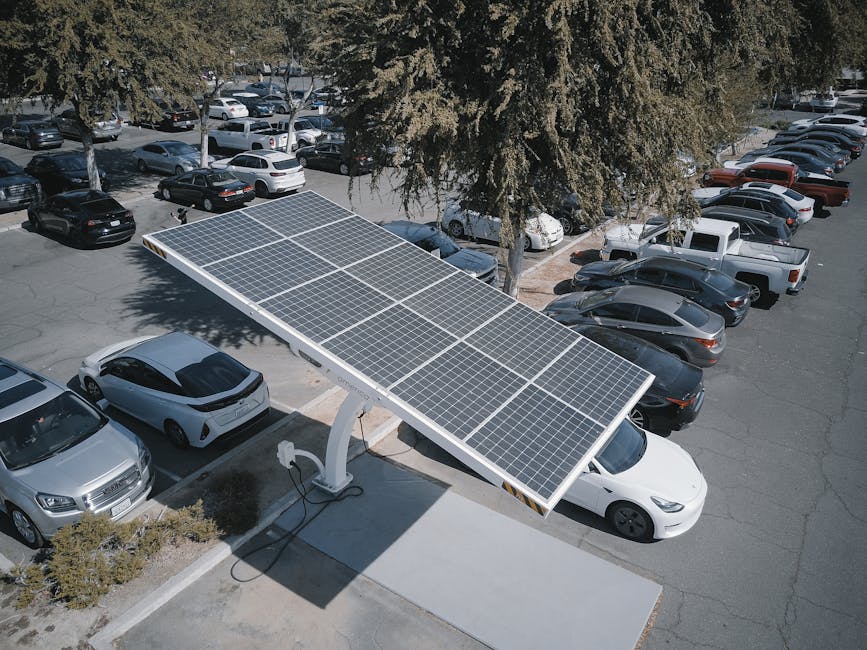 Image: Electric cars charging at a solar-powered station in a parking lot.
Understanding Tomorrowland Thailand's Energy Footprint
Before implementing solutions, a thorough understanding of the festival's current energy consumption is vital. This requires a detailed breakdown of energy usage across all aspects of the event, from stage lighting to vendor operations.
Energy Consumption Breakdown: Stages, Lighting, Sound Systems, and More
The majority of a music festival's energy consumption comes from a few key areas. Stages, with their powerful sound systems and elaborate lighting rigs, are major energy hogs. Vendor stalls, food services, and camping areas also contribute significantly to the overall energy demand.
| Energy Consumer | Percentage of Total Consumption | | ----------------------- | --------------------------------- | | Stages (Lighting & Sound) | 60% | | Vendor Stalls | 15% | | Camping Areas | 10% | | Food Services | 10% | | Other (Admin, Security) | 5% |
Peak Demand Analysis: Identifying Critical Energy Usage Periods
Understanding peak energy demand is crucial for designing an efficient and reliable power system. Peak demand typically occurs during headlining acts in the evening when all stages are operating at full capacity, and lighting and sound systems are at their maximum. Identifying these periods allows for strategic deployment of energy storage and load management strategies.
Key Takeaway: Analyzing historical data from similar events can help predict peak demand and optimize energy distribution.
Waste Generation and its Impact on Energy Requirements
Waste management plays a crucial role in a festival's overall sustainability. Reducing waste not only minimizes landfill burden but also reduces the energy required for waste transportation and processing. Furthermore, waste-to-energy technologies can convert organic waste into a valuable energy source.
Logistics and Transportation: Energy Considerations for Setup and Breakdown
The logistics of setting up and breaking down a music festival involve considerable energy consumption. Transportation of equipment, personnel, and supplies contributes significantly to the festival's carbon footprint. Optimizing logistics through efficient route planning, use of electric vehicles, and local sourcing can significantly reduce energy consumption.
Sustainable Energy Solutions: A Comprehensive Analysis
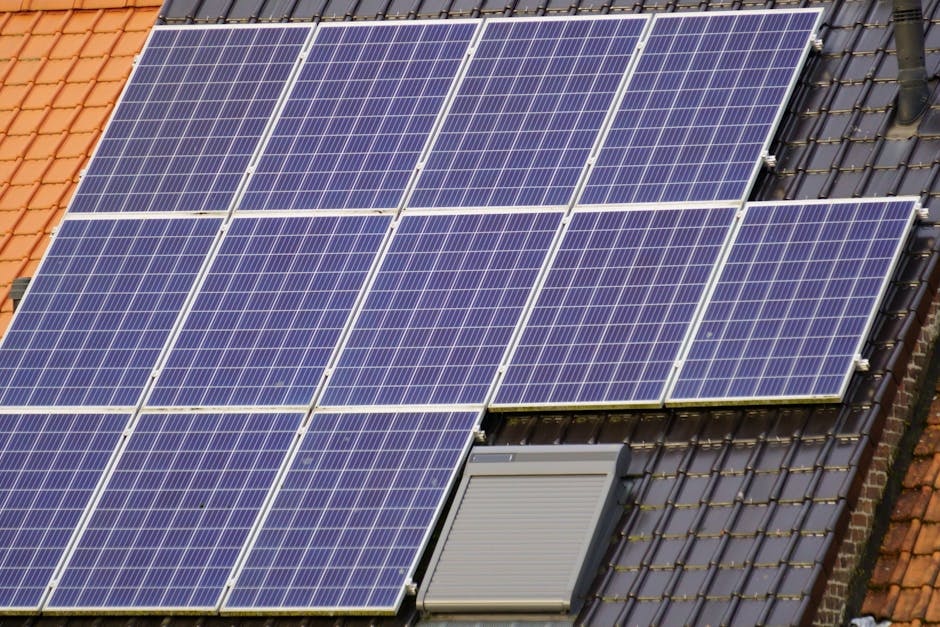 Image: Close-up view of solar panels on a tiled rooftop, capturing clean energy.
Several sustainable energy solutions can be implemented at Tomorrowland Thailand to reduce its reliance on fossil fuels. Solar, wind, and bioenergy offer viable alternatives, each with its own set of advantages and challenges.
Solar Power: Harnessing the Thai Sun for Festival Energy
Thailand's abundant sunshine makes solar power a highly attractive option for powering Tomorrowland Thailand. Solar panels can be deployed on rooftops, open fields, and even integrated into stage structures to generate clean electricity.
Solar Panel Technology: Efficiency, Cost, and Practical Considerations
Several types of solar panels are available, each with varying levels of efficiency and cost. Monocrystalline panels offer the highest efficiency but are also the most expensive. Polycrystalline panels are more affordable but less efficient. Thin-film panels are lightweight and flexible but have the lowest efficiency.
- Monocrystalline: High efficiency (20-22%), high cost.
- Polycrystalline: Moderate efficiency (15-17%), moderate cost.
- Thin-Film: Low efficiency (10-12%), low cost, flexible.
Battery Storage Solutions: Ensuring Reliable Power Supply
Battery storage is essential for ensuring a reliable power supply when solar energy is not available, such as at night or during cloudy weather. Lithium-ion batteries are the most common type of battery storage for renewable energy systems, offering high energy density and long lifespan.
- Lithium-ion: High energy density, long lifespan, but relatively high cost.
- Lead-acid: Lower cost, but shorter lifespan and lower energy density.
- Flow batteries: Long lifespan, scalable, but lower energy density than lithium-ion.
Case Study: Successful Solar Power Implementation at Other Festivals
The Glastonbury Festival in the UK has successfully implemented large-scale solar power projects, including solar farms and rooftop installations. These projects have significantly reduced the festival's reliance on diesel generators and demonstrated the feasibility of solar power for large-scale events. According to Glastonbury's sustainability report, solar power now contributes approximately 20% of the festival's total energy needs.
Wind Power: Exploring Viability and Challenges
While Thailand's wind resources are not as abundant as its solar resources, wind power can still be a viable option in certain locations. Selecting a site with consistent wind speeds is critical for successful wind power generation.
 Image: Sleek modern solar panels under a vibrant blue sky with clouds, symbolizing clean energy.
Wind Turbine Technology: Scalability and Environmental Impact
Wind turbines come in various sizes and configurations, from small-scale residential turbines to large-scale utility-grade turbines. The environmental impact of wind turbines includes noise pollution, visual impact, and potential harm to birds and bats. Careful site selection and mitigation measures can minimize these impacts.
- Horizontal Axis Wind Turbines (HAWT): Most common type, high efficiency, but requires a large open area.
- Vertical Axis Wind Turbines (VAWT): Can operate in turbulent winds, less efficient than HAWT, but more suitable for urban environments.
Site Suitability: Assessing Wind Resources in the Tomorrowland Thailand Location
A thorough wind resource assessment is necessary to determine the feasibility of wind power at the Tomorrowland Thailand location. This assessment should consider wind speed, wind direction, and turbulence intensity. Data from local weather stations and wind measurement towers can be used to create a detailed wind resource map.
Integration with Existing Infrastructure
Integrating wind power into the existing grid infrastructure requires careful planning and coordination with local utilities. The grid must be able to handle the intermittent nature of wind power and maintain a stable power supply.
Bioenergy: Utilizing Biomass and Waste for Power Generation
Bioenergy offers a sustainable way to generate power from organic materials, such as agricultural waste, food scraps, and wood chips. This can reduce landfill waste and provide a renewable energy source.
Biomass Sources: Sustainable Sourcing and Processing
Sustainable sourcing of biomass is crucial to ensure that bioenergy production does not lead to deforestation or other environmental problems. Biomass should be sourced from sustainably managed forests, agricultural residues, or dedicated energy crops.
- Agricultural Residues: Rice husks, sugarcane bagasse, corn stalks.
- Forestry Residues: Wood chips, sawdust, bark.
- Energy Crops: Switchgrass, miscanthus, willow.
Waste-to-Energy Technologies: Reducing Landfill Waste and Generating Power
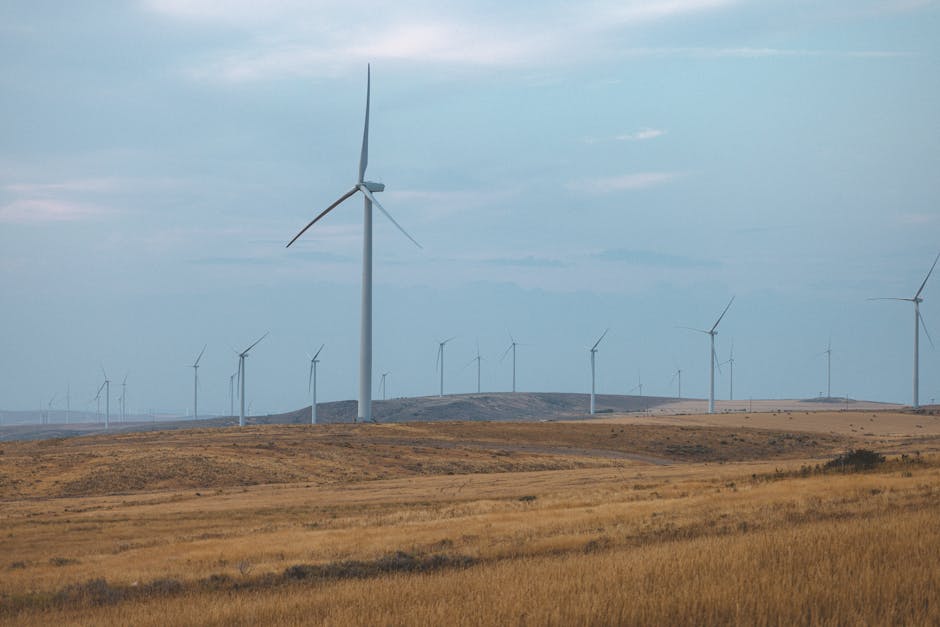 Image: Wide view of wind turbines in a rural setting harnessing wind energy for sustainable power.
Waste-to-energy technologies can convert organic waste into electricity, heat, or biofuels. These technologies include anaerobic digestion, gasification, and incineration. Anaerobic digestion is particularly well-suited for processing food waste and generating biogas, which can be used to power generators or vehicles.
Regulatory Considerations and Environmental Compliance
Bioenergy production is subject to various environmental regulations, including air emissions standards, water discharge permits, and waste management requirements. Compliance with these regulations is essential to ensure that bioenergy production is environmentally sound.
Hybrid Systems: Combining Multiple Renewable Energy Sources
Hybrid systems combine multiple renewable energy sources, such as solar, wind, and bioenergy, to create a more reliable and resilient power supply. This approach can mitigate the intermittency of individual renewable energy sources and optimize energy production based on available resources.
Optimizing Energy Mix for Reliability and Cost-Effectiveness
The optimal energy mix for a hybrid system depends on the specific location, resource availability, and energy demand profile. A detailed energy modeling study can help determine the most cost-effective and reliable combination of renewable energy sources.
Smart Grid Integration: Managing Energy Flow and Demand
Smart grid technologies can enhance the efficiency and reliability of hybrid energy systems by enabling real-time monitoring, control, and optimization of energy flow. Smart grids can also facilitate demand response programs, which encourage consumers to reduce their energy consumption during peak demand periods.
Predictive Analytics for Energy Management
Predictive analytics can be used to forecast energy demand and renewable energy production, allowing for proactive management of energy resources. This can help optimize energy storage, dispatch, and grid operations.
Energy Efficiency Strategies: Reducing Consumption at the Source
Reducing energy consumption is just as important as generating renewable energy. Implementing energy-efficient technologies and practices can significantly reduce the overall energy demand of Tomorrowland Thailand.
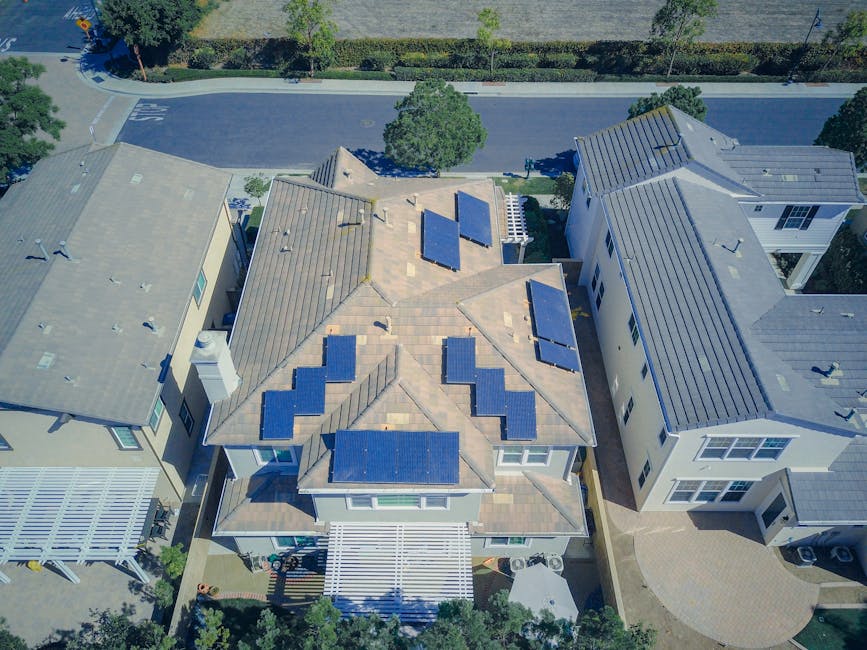 Image: Aerial view of suburban homes equipped with solar panels in a sunny neighborhood.
LED Lighting: Minimizing Energy Usage for Stage and Area Illumination
LED lighting is significantly more energy-efficient than traditional lighting technologies, such as incandescent and fluorescent lamps. Switching to LED lighting can reduce energy consumption for stage and area illumination by up to 80%.
- Lower Energy Consumption: Uses significantly less power than traditional lighting.
- Longer Lifespan: Reduces replacement costs and maintenance.
- Improved Light Quality: Provides brighter and more consistent light.
Energy-Efficient Sound Systems: Optimizing Audio Performance with Lower Power Consumption
Modern sound systems are designed to deliver high-quality audio performance with lower power consumption. Using Class D amplifiers and efficient speaker designs can significantly reduce the energy demand of sound systems.
Smart Cooling and Ventilation: Reducing Energy Demand for Climate Control
Implementing smart cooling and ventilation systems can reduce energy demand for climate control in enclosed areas, such as vendor stalls and VIP lounges. These systems use sensors and controls to optimize cooling and ventilation based on occupancy and weather conditions.
Building Design and Materials: Passive Cooling and Sustainable Construction Practices
Incorporating passive cooling techniques into building design can reduce the need for air conditioning. This includes using natural ventilation, shading devices, and reflective roofing materials. Sustainable construction practices, such as using locally sourced and recycled materials, can further reduce the environmental impact of building construction.
Real-World Examples and Case Studies: Lessons from Other Festivals
Learning from the experiences of other festivals that have successfully implemented sustainable energy solutions can provide valuable insights and guidance for Tomorrowland Thailand.
Boom Festival (Portugal): A Pioneer in Sustainable Event Management
Boom Festival is a renowned example of sustainable event management. The festival relies entirely on renewable energy sources, including solar and wind power. It also implements comprehensive waste management programs, including composting and recycling.
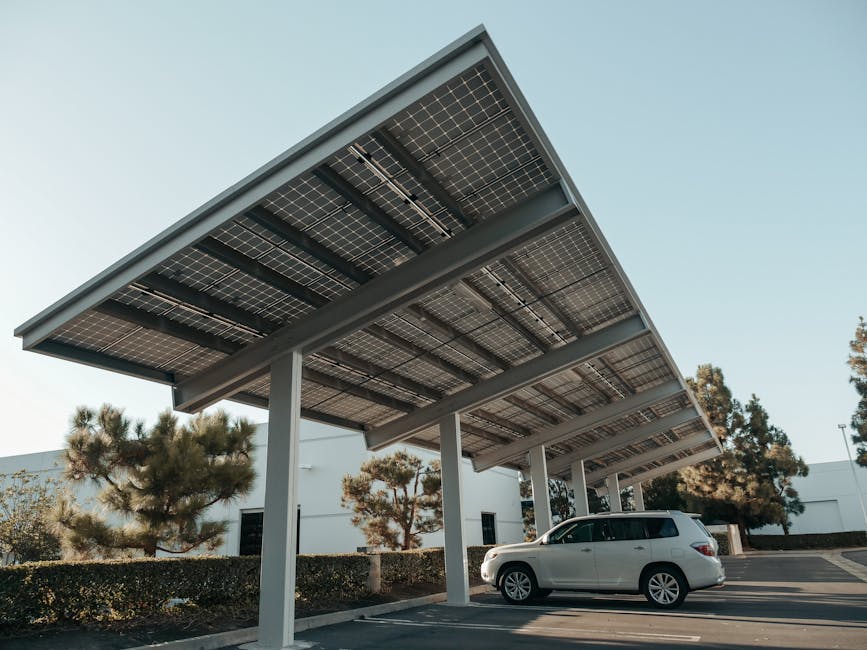 Image: Solar panel carport in a modern urban setting, showcasing clean energy solutions.
- 100% Renewable Energy: Powered by solar and wind energy.
- Comprehensive Waste Management: Composting, recycling, and waste reduction programs.
- Water Conservation: Water-saving fixtures and rainwater harvesting.
Glastonbury Festival (UK): Implementing Large-Scale Renewable Energy Projects
Glastonbury Festival has implemented large-scale renewable energy projects, including solar farms and rooftop installations. The festival also promotes sustainable transportation options, such as carpooling and public transportation.
Shambala Festival (Canada): Innovative Waste Reduction and Energy Generation Initiatives
Shambala Festival has implemented innovative waste reduction and energy generation initiatives, including a waste-to-energy system that converts organic waste into biogas. The festival also encourages attendees to bring their own reusable containers and water bottles.
What Tomorrowland Thailand Can Learn from Global Best Practices
Tomorrowland Thailand can learn from these global best practices by implementing similar sustainable energy solutions and waste management programs. The festival can also engage attendees in sustainability efforts through educational campaigns and incentives.
Challenges and Opportunities: The Path to a Fully Sustainable Tomorrowland Thailand
Transitioning to a fully sustainable energy system presents several challenges and opportunities for Tomorrowland Thailand. Addressing these challenges and leveraging the opportunities will be crucial for achieving the festival's sustainability goals.
Cost Considerations: Balancing Sustainability with Budget Constraints
Implementing sustainable energy solutions often requires upfront investments, which can be a barrier for some event organizers. However, the long-term cost savings from reduced reliance on fossil fuels can offset these initial costs. Government incentives and financing options can also help reduce the financial burden.
Infrastructure Limitations: Overcoming Existing Grid and Logistics Challenges
Existing grid infrastructure may not be able to handle the intermittent nature of renewable energy sources. Upgrading the grid infrastructure and implementing energy storage solutions can help overcome these limitations. Logistics challenges, such as transporting renewable energy equipment to the festival site, can be addressed through careful planning and coordination.
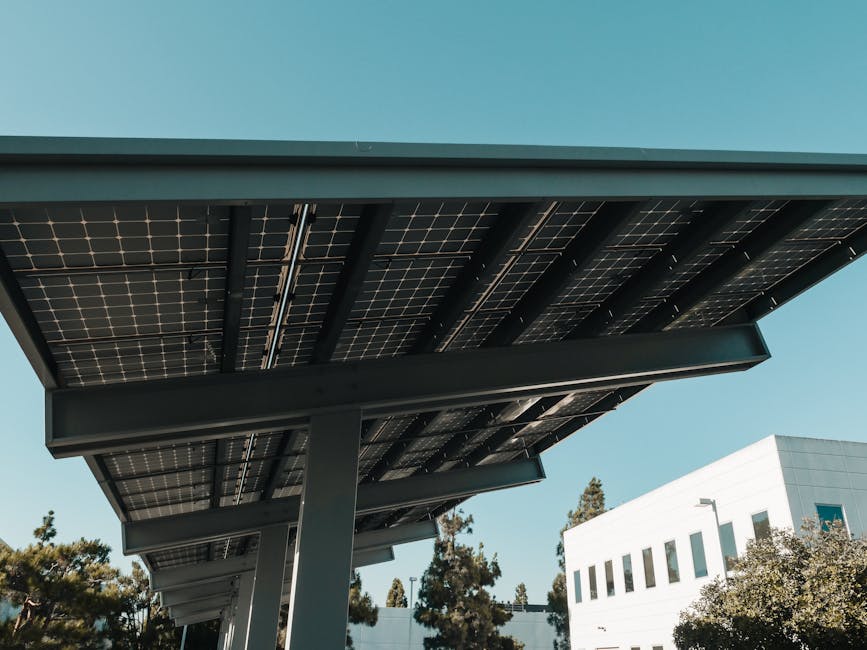 Image: A contemporary solar panel installation in a city environment, showcasing renewable energy.
Regulatory Hurdles: Navigating Environmental Permits and Compliance Requirements
Navigating environmental permits and compliance requirements can be a complex and time-consuming process. Engaging with local authorities and seeking expert advice can help streamline the permitting process and ensure compliance with all relevant regulations.
Public Perception and Engagement: Educating Attendees and Promoting Sustainable Practices
Engaging attendees in sustainability efforts is crucial for the success of any sustainable event. Educating attendees about the benefits of sustainable energy and promoting sustainable practices, such as waste reduction and responsible transportation, can help create a culture of sustainability at the festival.
Opportunities for Innovation: Exploring Emerging Technologies and Partnerships
Exploring emerging technologies and partnerships can help Tomorrowland Thailand stay at the forefront of sustainable event management. This includes exploring new renewable energy technologies, such as floating solar panels and advanced battery storage systems. Partnering with local universities, research institutions, and technology companies can foster innovation and accelerate the adoption of sustainable practices.
FAQ: Your Questions About Sustainable Energy at Music Festivals Answered
Here are some frequently asked questions about sustainable energy at music festivals:
What is the biggest energy consumer at a music festival?
Stages, particularly their lighting and sound systems, are typically the largest energy consumers at a music festival, accounting for approximately 60% of the total energy consumption.
How can solar power be used at night during a festival?
Solar power can be used at night by storing excess energy generated during the day in battery storage systems. This stored energy can then be used to power the festival's lighting and sound systems after sunset.
What are the environmental benefits of using bioenergy?
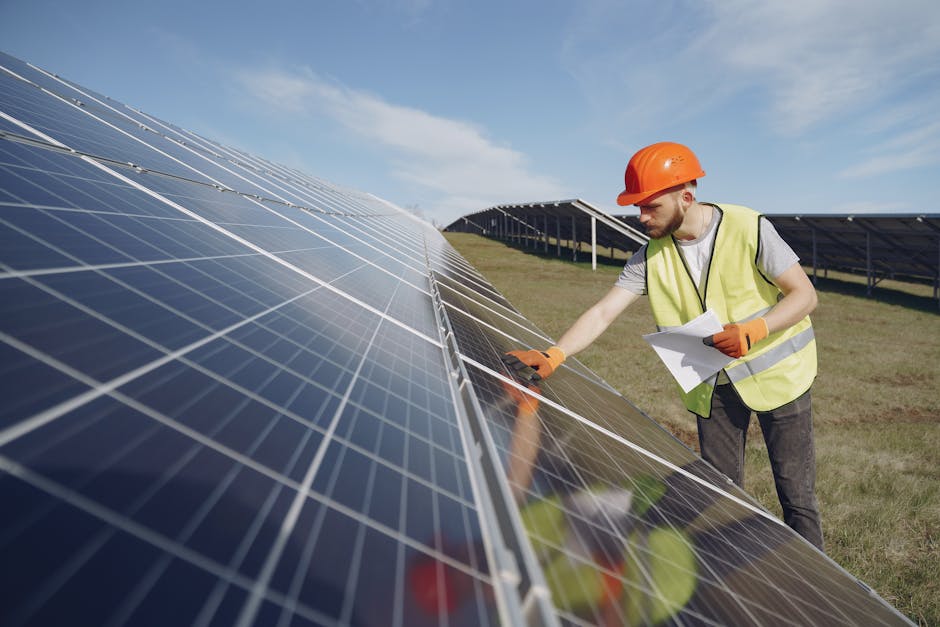 Image: Technician in PPE inspects solar panels in a renewable energy field, promoting sustainability.
Bioenergy reduces landfill waste, provides a renewable energy source, and can lower greenhouse gas emissions compared to fossil fuels, especially when sourced sustainably.
How can attendees contribute to sustainable energy efforts?
Attendees can contribute by using public transportation, carpooling, bringing reusable containers and water bottles, participating in recycling programs, and reducing their overall energy consumption.
What are the long-term cost savings of investing in sustainable energy?
Long-term cost savings include reduced reliance on expensive fossil fuels, lower operating costs, and potential revenue generation from selling excess renewable energy back to the grid. One study by "Sustainable Event Alliance" found that festivals implementing comprehensive sustainability programs can save up to 20% on energy costs.
How does Tomorrowland Thailand compare to other festivals in terms of sustainability?
Currently, Tomorrowland Thailand relies heavily on traditional energy sources. To compete with sustainability leaders like Boom Festival and Glastonbury, it needs significant investment in renewable energy infrastructure and waste reduction programs.
What role does government policy play in promoting sustainable festivals?
Government policies, such as tax incentives, subsidies, and regulations, can play a crucial role in promoting sustainable festivals by encouraging event organizers to adopt renewable energy sources and implement sustainable practices.
Conclusion: Powering the Future of Music Festivals
The transition to sustainable energy is not just an environmental imperative but also an economic opportunity for music festivals. By embracing renewable energy sources, implementing energy-efficient technologies, and engaging attendees in sustainability efforts, festivals can reduce their environmental impact, enhance their brand reputation, and create a more sustainable future.
The Importance of Collaboration and Innovation
Collaboration between event organizers, technology providers, government agencies, and research institutions is essential for driving innovation and accelerating the adoption of sustainable practices. Sharing knowledge, best practices, and resources can help create a more sustainable event industry.
The Role of Technology in Achieving Sustainability Goals
Technology plays a crucial role in achieving sustainability goals by enabling the development of more efficient renewable energy systems, smart grid technologies, and waste management solutions. Investing in research and development of these technologies is essential for creating a more sustainable future.
A Call to Action: Encouraging Industry-Wide Adoption of Sustainable Practices
The success of Tomorrowland Thailand's sustainability initiatives can serve as a model for other festivals to follow. A call to action is needed to encourage industry-wide adoption of sustainable practices and create a more sustainable future for the music festival industry.
Looking Ahead: The Future of Sustainable Music Festivals
The future of music festivals is sustainable. As renewable energy technologies become more affordable and efficient, and as consumers become more environmentally conscious, sustainable practices will become the norm rather than the exception. Music festivals have the power to inspire positive change and create a more sustainable world.