
H1: Pints, Ponytails, and Pixels: Mastering Taproom Efficiency with Brewery Tech
Brewing exceptional beer is only half the battle. In today’s competitive craft beer market, the taproom experience is paramount. Breweries face challenges like razor-thin margins, demanding customers, and the constant need to innovate. The solution? Strategic technology adoption that streamlines operations, enhances customer engagement, and ultimately drives profitability.
H2: The Tech-Fueled Taproom Revolution: Beyond the Pint Glass
Breweries are no longer just about brewing beer; they're about crafting experiences. Technology is the key ingredient in creating seamless, efficient, and memorable taproom visits.
Featured Snippet: Breweries are leveraging technology to enhance taproom efficiency through various methods. This includes implementing advanced Point of Sale (POS) systems for streamlined transactions, utilizing inventory management software for precise keg tracking, and employing customer relationship management (CRM) tools for personalized customer engagement. These technologies optimize operations, improve customer satisfaction, and ultimately drive revenue growth.
H3: A Brief History of Taproom Operations: From Chalkboards to Cloud Computing
The taproom has evolved significantly. Early taprooms relied on manual processes: handwritten order slips, cash registers, and chalkboards to display beer offerings.
Then came basic POS systems, offering some automation but limited functionality. Today, cloud-based solutions offer real-time data, integration with other systems, and mobile capabilities. This evolution reflects the growing complexity and sophistication of the craft beer industry.
H3: The Growing Need for Efficiency: Competition, Margins, and Customer Expectations
The craft beer market is saturated. Breweries must differentiate themselves through exceptional service and operational excellence.
- Competition: The number of breweries has exploded, leading to increased competition for customers.
- Margins: The cost of ingredients, labor, and rent continues to rise, squeezing profit margins.
- Customer Expectations: Customers expect fast service, personalized recommendations, and seamless experiences.
 Image: Interior view of a brewery in Pilsen, showcasing copper tanks and modern design.
These factors necessitate efficiency improvements across all aspects of taproom operations.
H3: Defining 'Taproom Efficiency': Key Performance Indicators (KPIs) for Success
Taproom efficiency can be measured using various KPIs. These metrics provide insights into areas for improvement and track the effectiveness of implemented solutions.
| KPI | Description | Example Target | | --------------------------- | ---------------------------------------------------------------------------------------------------------- | -------------------------------------------- | | Table Turnover Rate | Average time it takes for a table to be occupied and then available again. | Increase by 15% | | Average Order Value (AOV) | Average amount spent per order. | Increase by 10% | | Labor Cost Percentage | Percentage of revenue spent on labor. | Decrease to below 30% | | Inventory Shrinkage | Percentage of inventory lost due to spoilage, theft, or errors. | Reduce to less than 2% | | Customer Satisfaction (CSAT) | Measured through surveys or feedback forms. | Maintain a score of 4.5 out of 5 | | Order Fulfillment Time | Time it takes from order placement to delivery to the customer. | Reduce by 20% | | Website Conversion Rate | Percentage of website visitors who place an online order or make a reservation. | Increase by 5% |
H2: Tech Tools Transforming the Taproom Experience
A range of technological solutions are available to help breweries optimize their taproom operations. Each tool offers unique benefits and addresses specific challenges.
H3: Point of Sale (POS) Systems: More Than Just Taking Orders
Modern POS systems are far more than just cash registers. They are comprehensive platforms that manage sales, inventory, customer data, and reporting.
H3: Inventory Management: Tracking Kegs, Ingredients, and Merchandise
Effective inventory management is crucial for profitability. POS systems can track keg levels, ingredient usage, and merchandise sales in real-time.
 Image: Artistic arrangement of circuit boards and cables symbolizes modern technology.
- Real-time Tracking: Monitor inventory levels and identify potential shortages or overstocks.
- Automated Ordering: Set up automatic reorder points to ensure you never run out of essential items.
- Keg Tracking: Track keg usage and returns to minimize losses and optimize ordering. Example: A brewery reduced keg loss by 18% using a dedicated keg tracking feature within their POS.
H3: Customer Relationship Management (CRM): Building Loyalty and Personalization
CRM features within POS systems allow breweries to collect and analyze customer data. This data can be used to personalize marketing efforts, reward loyal customers, and improve the overall customer experience.
- Customer Profiles: Create detailed profiles of your customers, including their purchase history, preferences, and contact information.
- Targeted Marketing: Send personalized emails and promotions based on customer preferences and behavior.
- Loyalty Programs: Reward loyal customers with discounts, exclusive access, and other perks. Example: A brewery saw a 25% increase in repeat business after implementing a CRM-based loyalty program.
H3: Reporting and Analytics: Uncovering Trends and Optimizing Performance
POS systems generate detailed reports and analytics on sales, inventory, and customer behavior. These insights can be used to identify trends, optimize pricing, and improve overall performance.
- Sales Reports: Track sales by product, time of day, and server.
- Inventory Reports: Monitor inventory levels, identify slow-moving items, and optimize ordering.
- Customer Reports: Analyze customer demographics, purchase history, and loyalty program participation. Example: A brewery discovered that IPAs were most popular on Friday nights and adjusted their staffing accordingly.
H3: Taproom Management Software: Streamlining Operations
Taproom management software provides a centralized platform for managing all aspects of taproom operations, from table reservations to staff scheduling.
H3: Table Management and Reservations: Optimizing Seating and Minimizing Wait Times
 Image: Close-up of software development tools displaying code and version control systems on a computer monitor.
Efficient table management is crucial for maximizing seating capacity and minimizing wait times. Taproom management software allows breweries to manage reservations, track table availability, and optimize seating arrangements.
- Online Reservations: Allow customers to book tables online, reducing phone calls and improving convenience.
- Waitlist Management: Manage waitlists efficiently and notify customers when their table is ready.
- Table Optimization: Optimize seating arrangements to maximize capacity and minimize empty tables. Example: A brewery reduced average wait times by 30% using a table management system.
H3: Staff Scheduling and Time Tracking: Ensuring Adequate Coverage and Cost Control
Effective staff scheduling is essential for ensuring adequate coverage and controlling labor costs. Taproom management software allows breweries to create schedules, track employee hours, and manage payroll.
- Schedule Creation: Create schedules based on demand forecasts and employee availability.
- Time Tracking: Track employee hours accurately and automate payroll processing.
- Labor Cost Control: Monitor labor costs and identify opportunities for optimization. Example: A brewery reduced labor costs by 12% by implementing a staff scheduling system.
H3: Order Management and Kitchen Display Systems (KDS): Speeding Up Service
Order management systems and KDS can significantly speed up service and improve order accuracy. These systems allow servers to enter orders directly into a tablet or handheld device, which are then sent to the kitchen or bar for preparation.
- Order Accuracy: Reduce errors and improve order accuracy.
- Faster Service: Speed up service and reduce wait times.
- Improved Communication: Improve communication between servers and kitchen/bar staff. Example: A brewery increased order fulfillment speed by 20% after implementing a KDS.
H3: Digital Menu Boards and Displays: Engaging Customers and Boosting Sales
Digital menu boards offer a dynamic and engaging way to showcase your beer selection and promote special offers. They can be easily updated, allowing you to highlight seasonal beers, limited releases, and upcoming events.
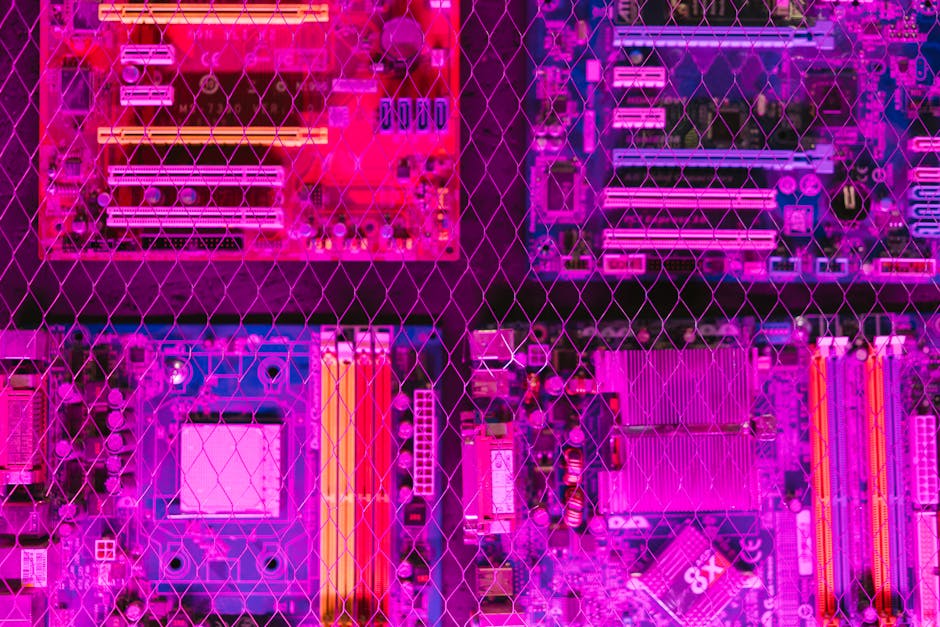 Image: A vibrant image showcasing various circuit boards through a wire mesh, highlighting electronics and technology.
- Dynamic Content: Display high-quality images and videos of your beers.
- Easy Updates: Update your menu in real-time, highlighting seasonal beers and special offers.
- Increased Sales: Promote high-margin items and upsell customers. Example: A brewery saw a 15% increase in sales of featured beers after installing digital menu boards.
H3: Online Ordering and Curbside Pickup: Expanding Reach and Revenue Streams
Online ordering and curbside pickup have become essential for breweries looking to expand their reach and revenue streams. These options allow customers to order beer and food online and pick it up at the brewery or have it delivered to their home.
- Increased Revenue: Reach new customers and generate additional revenue.
- Convenience: Offer customers a convenient way to purchase your products.
- Expanded Reach: Expand your market beyond your immediate geographic area. Example: A brewery generated 20% of its revenue through online ordering during the pandemic.
H3: Self-Pour Technology: Empowering Customers and Reducing Labor Costs
Self-pour technology allows customers to pour their own beer, reducing labor costs and empowering customers. These systems typically use RFID technology to track pours and charge customers accordingly.
- Reduced Labor Costs: Reduce the need for bartenders and servers.
- Customer Empowerment: Allow customers to explore different beers and pour their own samples.
- Increased Sales: Encourage customers to try more beers and increase overall sales. Example: A brewery reduced labor costs by 25% after installing a self-pour system.
H3: Loyalty Programs and Mobile Apps: Driving Repeat Business and Customer Engagement
Loyalty programs and mobile apps are effective tools for driving repeat business and customer engagement. These programs reward customers for their loyalty and provide them with exclusive access to promotions, events, and other perks.
- Increased Customer Loyalty: Reward customers for their loyalty and encourage repeat business.
- Personalized Offers: Provide customers with personalized offers based on their preferences and purchase history.
- Enhanced Engagement: Engage with customers through push notifications, social media integration, and other features. Example: A brewery saw a 30% increase in customer retention after launching a mobile app with a loyalty program.
 Image: A modern server room featuring network equipment with blue illumination. Ideal for technology themes.
H2: Real-World Brewery Case Studies: Success Stories in Tech Adoption
These case studies demonstrate how breweries have successfully leveraged technology to improve their taproom operations.
H3: Case Study 1: [Brewery Name]'s POS System Revolution: Increased Sales and Reduced Waste
Brewery Name: "Hop Haven Brewery" (Fictional) Challenge: Inefficient order processing, difficulty tracking inventory, and limited customer data. Solution: Implemented a cloud-based POS system with integrated inventory management and CRM features. Results:
- Increased sales by 15% due to faster order processing and improved upselling.
- Reduced inventory waste by 10% through real-time tracking and automated reordering.
- Improved customer loyalty by 20% through personalized marketing campaigns based on CRM data.
H3: Case Study 2: [Brewery Name]'s Taproom Management Software: Streamlined Operations and Improved Customer Satisfaction
Brewery Name: "Starlight Brewing Co." (Fictional) Challenge: Long wait times, difficulty managing reservations, and inefficient staff scheduling. Solution: Implemented taproom management software with table management, reservation, and staff scheduling features. Results:
- Reduced average wait times by 25% through efficient table management.
- Increased customer satisfaction by 18% due to improved reservation management and reduced wait times.
- Reduced labor costs by 8% through optimized staff scheduling.
H3: Case Study 3: [Brewery Name]'s Digital Menu Boards: Enhanced Brand Image and Increased Upselling
Brewery Name: "Iron Barrel Brews" (Fictional) Challenge: Static menus, difficulty promoting new beers, and limited customer engagement. Solution: Installed digital menu boards with dynamic content and eye-catching visuals. Results:
 Image: Modern industrial machine in operation in a manufacturing facility showcasing advanced technology.
- Increased sales of featured beers by 20% through dynamic promotions on digital menu boards.
- Enhanced brand image and improved customer engagement.
- Reduced printing costs and menu update time.
H3: Case Study 4: [Brewery Name]'s Online Ordering Platform: Expanding Market Reach and Boosting Revenue During Off-Peak Hours
Brewery Name: "Sunstone Ales" (Fictional) Challenge: Limited reach beyond the local area and low revenue during off-peak hours. Solution: Launched an online ordering platform with curbside pickup and local delivery options. Results:
- Increased revenue by 15% through online orders during off-peak hours.
- Expanded market reach beyond the local area.
- Improved customer convenience and accessibility.
H2: Overcoming Challenges and Implementing Tech Effectively
Implementing new technology can be challenging, but careful planning and execution can ensure a smooth transition and maximize ROI.
H3: Identifying Your Brewery's Specific Needs and Pain Points
The first step in implementing technology is to identify your brewery's specific needs and pain points. What areas of your operation are inefficient? What challenges are you facing? What are your goals for the future?
- Conduct a thorough assessment: Analyze your current operations and identify areas for improvement.
- Gather feedback from staff and customers: Ask for their input on what's working and what's not.
- Prioritize your needs: Focus on the areas that will have the biggest impact on your bottom line.
H3: Choosing the Right Tech Solutions: Factors to Consider (Scalability, Integration, Cost)
 Image: GeForce RTX graphics card installed inside a PC, glowing under warm lighting.
Choosing the right tech solutions is crucial for success. Consider the following factors when evaluating different options:
- Scalability: Can the solution grow with your brewery?
- Integration: Does the solution integrate with your existing systems?
- Cost: What is the total cost of ownership, including hardware, software, and support?
- Ease of Use: Is the solution easy to use and understand?
- Security: Does the solution protect your data and customer information?
| Factor | Description | | ------------- | -------------------------------------------------------------------------------------------------------------------------------------------------------------------------------------------------------- | | Scalability | The ability of the technology to handle increasing demands and grow with your business. A scalable solution can accommodate more users, data, and transactions without significant performance degradation. | | Integration | The ability of the technology to work seamlessly with your existing systems, such as accounting software, email marketing platforms, and other business tools. | | Cost | The total expense associated with acquiring, implementing, and maintaining the technology, including hardware, software licenses, training, and ongoing support. | | Ease of Use | The simplicity and intuitiveness of the technology, making it easy for your staff to learn and use effectively. A user-friendly solution can reduce training time and improve overall productivity. | | Security | The measures taken to protect your data and customer information from unauthorized access, theft, or damage. A secure solution should comply with industry standards and regulations. |
H3: Training Your Staff: Ensuring Smooth Adoption and Maximizing ROI
Proper training is essential for ensuring smooth adoption and maximizing ROI. Provide your staff with comprehensive training on how to use the new technology and emphasize the benefits of using it.
- Provide hands-on training: Allow staff to practice using the technology in a real-world setting.
- Offer ongoing support: Provide ongoing support and answer any questions that staff may have.
- Highlight the benefits: Emphasize the benefits of using the technology, such as increased efficiency and improved customer service.
H3: Data Security and Privacy: Protecting Customer Information
Data security and privacy are paramount. Ensure that your tech solutions comply with industry standards and regulations and implement measures to protect customer information.
- Use strong passwords: Require employees to use strong passwords and change them regularly.
- Encrypt sensitive data: Encrypt sensitive data both in transit and at rest.
- Implement access controls: Restrict access to sensitive data to authorized personnel only.
- Comply with data privacy regulations: Comply with all applicable data privacy regulations, such as GDPR and CCPA.
H3: Integrating Tech with Existing Systems: Ensuring Compatibility and Data Flow
 Image: Close-up of keyboard buttons spelling 'INFO' on a minimal red background, ideal for tech and communication themes.
Integrating new technology with existing systems is crucial for ensuring compatibility and data flow. Choose solutions that offer seamless integration with your current systems or work with a technology consultant to develop a custom integration solution.
- Choose solutions with open APIs: Open APIs allow different systems to communicate with each other.
- Work with a technology consultant: A technology consultant can help you develop a custom integration solution.
- Test the integration thoroughly: Ensure that the integration is working properly before going live.
H3: Measuring Success and Iterating: Continuously Optimizing Your Tech Strategy
Measuring success and iterating are essential for continuously optimizing your tech strategy. Track your KPIs and make adjustments as needed to ensure that you are achieving your goals.
- Track your KPIs: Monitor your KPIs regularly to identify areas for improvement.
- Gather feedback from staff and customers: Ask for their input on what's working and what's not.
- Make adjustments as needed: Be prepared to make adjustments to your tech strategy based on your findings.
H2: The Future of Taproom Technology: What's Next?
The future of taproom technology is bright, with exciting new innovations on the horizon.
H3: Artificial Intelligence (AI) and Machine Learning (ML): Personalized Recommendations and Predictive Analytics
AI and ML can be used to personalize recommendations, predict demand, and optimize pricing. These technologies can help breweries improve customer satisfaction, increase sales, and reduce costs.
- Personalized Recommendations: Provide customers with personalized beer recommendations based on their preferences and purchase history.
- Predictive Analytics: Predict demand and optimize inventory levels.
- Dynamic Pricing: Adjust pricing based on demand and competition.
H3: Augmented Reality (AR) and Virtual Reality (VR): Immersive Experiences and Enhanced Customer Engagement
AR and VR can be used to create immersive experiences and enhance customer engagement. These technologies can allow customers to take virtual tours of the brewery, learn about the brewing process, and sample beers in a virtual environment.
- Virtual Brewery Tours: Offer customers virtual tours of the brewery.
- Interactive Beer Education: Provide customers with interactive information about the brewing process and different beer styles.
- Virtual Beer Sampling: Allow customers to sample beers in a virtual environment.