
Munich Airport Flights: Decoding Operations for a Seamless Passenger Experience
Global air travel is often plagued by delays, congestion, and frustrating experiences. But some airports stand out, prioritizing efficiency and passenger satisfaction. Munich Airport (MUC) is one such example, consistently ranking among the world's best. This post explores the intricate operational strategies, technological innovations, and sustainability initiatives that contribute to Munich Airport's success.
Introduction: The Munich Airport Advantage
Munich Airport isn't just a place to catch a flight; it's a carefully orchestrated ecosystem designed for optimal efficiency and passenger comfort. From its state-of-the-art infrastructure to its commitment to sustainable practices, MUC sets a high standard for airport operations worldwide. This article will dissect the key elements that contribute to Munich Airport's operational excellence, providing a comprehensive overview of its strategies and technologies.
Munich Airport's Reputation: A Global Aviation Hub
Munich Airport has consistently earned accolades for its service quality, operational efficiency, and passenger satisfaction. It serves as a major gateway to Europe, connecting passengers to destinations around the globe. MUC has been recognized as a 5-Star Airport by Skytrax, a testament to its commitment to providing an exceptional travel experience. Its central location within Europe and comprehensive network of flights makes it a vital aviation hub.
The Importance of Seamless Operations in Modern Aviation
In today's fast-paced world, travelers demand efficiency and convenience. Seamless airport operations are crucial for meeting these expectations. This encompasses everything from minimizing wait times at security to ensuring timely baggage delivery. Efficient operations not only enhance the passenger experience but also contribute to the overall economic health of the aviation industry.
Blog Post Scope: A Deep Dive into Munich's Operational Excellence
This post provides an in-depth analysis of Munich Airport's operational strategies, covering key areas such as infrastructure, technology, passenger flow management, and sustainability initiatives. We will explore real-world examples and insights from industry experts to illustrate how MUC achieves its operational excellence. This includes a look at how MUC handles specific challenges, like weather delays and high-volume traffic.
Infrastructure and Capacity: Setting the Stage for Efficiency
Munich Airport's physical infrastructure is a cornerstone of its operational efficiency. Thoughtful design and continuous investment in capacity upgrades ensure that the airport can handle a high volume of passengers and flights without compromising service quality.
Runway System: Optimizing Takeoffs and Landings
MUC boasts two parallel runways, allowing for simultaneous takeoffs and landings, significantly increasing capacity. The runways are equipped with advanced Instrument Landing Systems (ILS), enabling operations even in adverse weather conditions. In 2023, MUC reported an average of 90 flight movements per hour during peak times, showcasing the efficiency of its runway system. A third runway has been proposed to further increase capacity, but its construction remains a subject of debate.
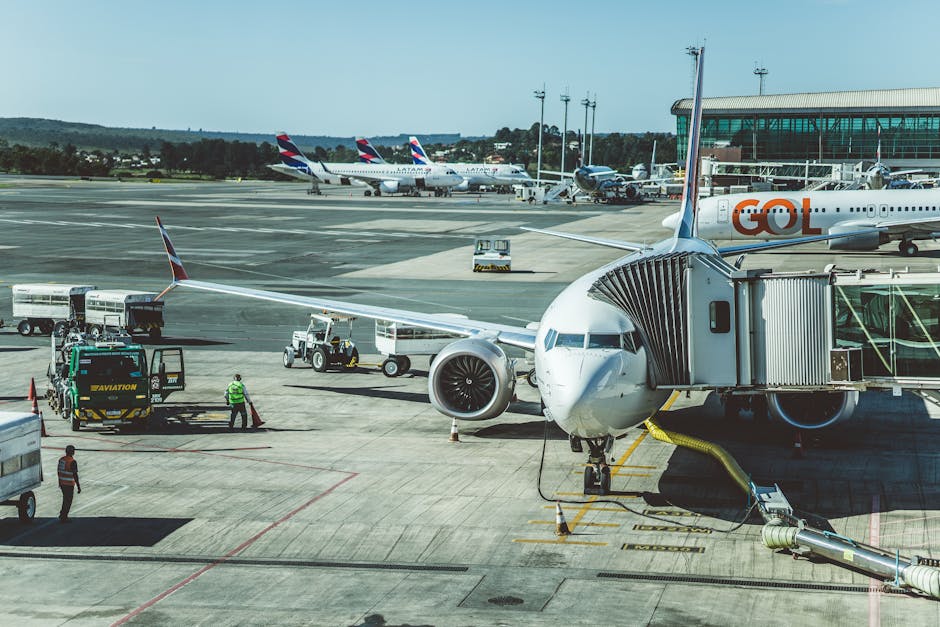 Image: A scenic view of airplanes at an airport runway during a busy day, ready for boarding.
Key Takeaways:
- Dual parallel runways enable simultaneous operations.
- Advanced ILS facilitates all-weather operations.
- High flight movement capacity during peak hours.
Terminal Layout: Minimizing Walking Distances and Congestion
The terminal layout at Munich Airport is designed to minimize walking distances and reduce congestion. Terminal 2, primarily used by Lufthansa and its Star Alliance partners, features a satellite terminal connected by an underground Personal Rapid Transit (PRT) system. This system swiftly transports passengers between the main terminal and the satellite, reducing transfer times. Clear signage and intuitive wayfinding systems further enhance passenger flow.
Terminal Comparison:
| Feature | Terminal 1 | Terminal 2 | | ---------------- | ---------------------------------------- | --------------------------------------------------- | | Primary Airlines | Various airlines (non-Star Alliance) | Lufthansa and Star Alliance partners | | Layout | Modular design with multiple concourses | Centralized design with satellite terminal connection | | Transfer Times | Longer, potential for congestion | Shorter, facilitated by PRT system |
Gate Management: Efficient Allocation and Turnaround Times
Efficient gate management is crucial for minimizing aircraft turnaround times and maximizing airport capacity. Munich Airport utilizes a sophisticated gate allocation system that considers factors such as aircraft size, flight schedules, and passenger volumes. This system optimizes gate assignments, reducing delays and improving overall efficiency. The average turnaround time for narrow-body aircraft at MUC is approximately 45 minutes, significantly faster than the industry average.
Factors influencing gate allocation:
- Aircraft size and type
- Flight arrival and departure times
- Passenger load
- Availability of ground handling services
Expansion Plans: Adapting to Future Demand
Munich Airport continuously evaluates its capacity and develops expansion plans to meet future demand. The proposed third runway is a key component of these plans, aiming to increase the airport's overall capacity and reduce congestion. Other expansion projects include the construction of new terminal facilities and the modernization of existing infrastructure. These investments ensure that MUC remains a leading aviation hub in the years to come.
Technology and Innovation: The Engine of Seamless Operations
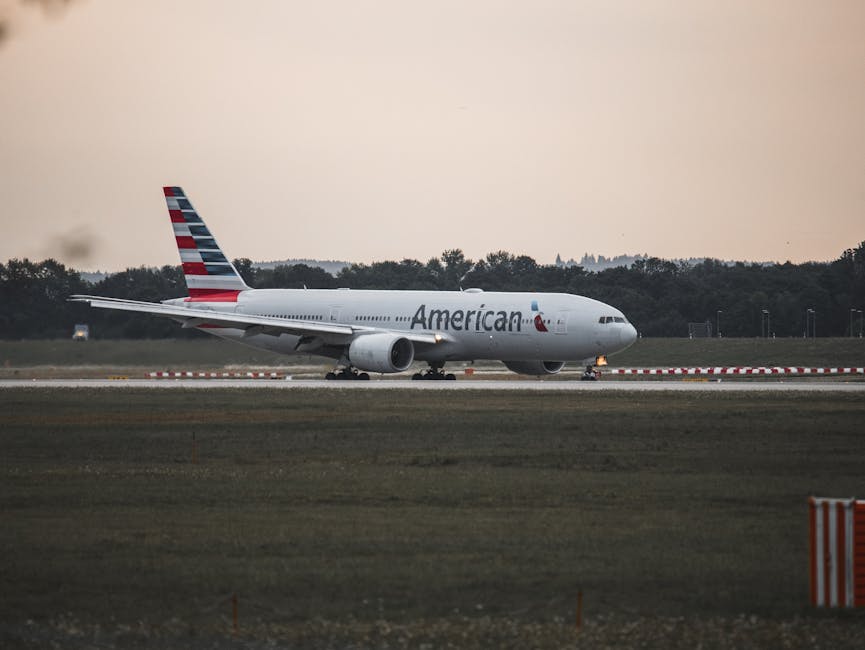 Image: American Airlines plane on the runway at Munich Airport during sunset.
Technology plays a vital role in streamlining operations and enhancing the passenger experience at Munich Airport. From automated baggage handling systems to advanced air traffic control technologies, MUC embraces innovation to improve efficiency and safety.
Baggage Handling Systems: Automating the Luggage Journey
Munich Airport utilizes a highly automated baggage handling system that efficiently sorts and transports luggage throughout the airport. This system employs barcode scanning and RFID technology to track each bag, minimizing the risk of loss or misplacement. The system can handle over 7,000 bags per hour, ensuring that luggage arrives at its destination on time. In 2023, the baggage handling system achieved a success rate of 99.8%, a testament to its reliability.
Key features of the baggage handling system:
- Automated sorting and transportation
- Barcode scanning and RFID tracking
- High processing capacity
- Real-time monitoring and control
Check-in and Security Technologies: Speeding Up the Passenger Flow
MUC has implemented a range of technologies to expedite the check-in and security processes. Self-service check-in kiosks allow passengers to print boarding passes and check their luggage without waiting in line. Automated security lanes utilize advanced screening technologies to detect prohibited items quickly and efficiently. Biometric identification systems are also being explored to further streamline the passenger flow.
Benefits of advanced check-in and security technologies:
- Reduced wait times
- Increased passenger throughput
- Improved security effectiveness
- Enhanced passenger convenience
Air Traffic Control (ATC) Systems: Ensuring Safe and Efficient Flight Paths
Munich Airport's air traffic control (ATC) systems are state-of-the-art, ensuring the safe and efficient movement of aircraft in and around the airport. These systems utilize radar technology, satellite navigation, and advanced communication tools to monitor and manage air traffic. ATC controllers work closely with pilots to optimize flight paths and minimize delays. The implementation of Performance-Based Navigation (PBN) procedures has further improved the efficiency and accuracy of flight operations.
Components of the ATC system:
- Radar surveillance
- Satellite navigation
- Communication systems
- Performance-Based Navigation (PBN)
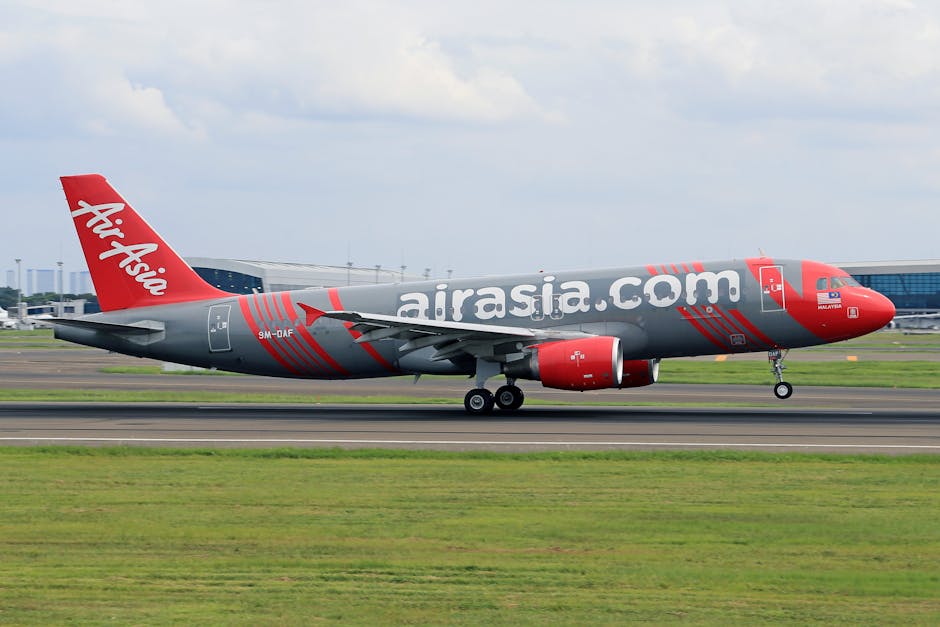 Image: AirAsia plane taking off on runway at a busy airport, showcasing aviation and travel.
Data Analytics and Predictive Maintenance: Proactive Problem Solving
Munich Airport leverages data analytics and predictive maintenance to proactively identify and address potential problems before they impact operations. Sensors and data collection systems monitor the performance of various airport assets, such as baggage handling equipment, runway lighting, and terminal systems. The collected data is analyzed to identify patterns and predict potential failures. This allows maintenance teams to schedule repairs and replacements proactively, minimizing downtime and ensuring operational continuity.
Examples of predictive maintenance applications:
- Monitoring baggage handling system performance to identify potential breakdowns
- Analyzing runway lighting data to detect faulty bulbs
- Tracking terminal system performance to prevent equipment failures
Operational Strategies: Fine-Tuning the Passenger Experience
Beyond infrastructure and technology, Munich Airport employs a range of operational strategies to optimize the passenger experience. These strategies focus on coordinating flight schedules, streamlining ground handling services, and managing passenger flow effectively.
Slot Coordination: Optimizing Flight Schedules
Munich Airport operates as a Level 3 coordinated airport, meaning that all flight schedules are subject to slot coordination. This process, managed by an independent slot coordinator, ensures that the airport's capacity is utilized efficiently and that flight schedules are optimized to minimize congestion. Slot coordination takes into account factors such as runway capacity, terminal capacity, and air traffic control limitations. This ensures a balanced and manageable flight schedule.
Key principles of slot coordination:
- Maximizing airport capacity utilization
- Minimizing congestion and delays
- Ensuring fair access to airport resources
- Promoting efficient flight schedules
Ground Handling Services: Streamlining Aircraft Turnaround
Efficient ground handling services are essential for minimizing aircraft turnaround times. Munich Airport works with a variety of ground handling service providers to ensure that aircraft are serviced quickly and efficiently. These services include baggage handling, aircraft refueling, catering, and aircraft maintenance. Standardized procedures and close coordination between ground handling teams contribute to faster turnaround times.
Elements of ground handling services:
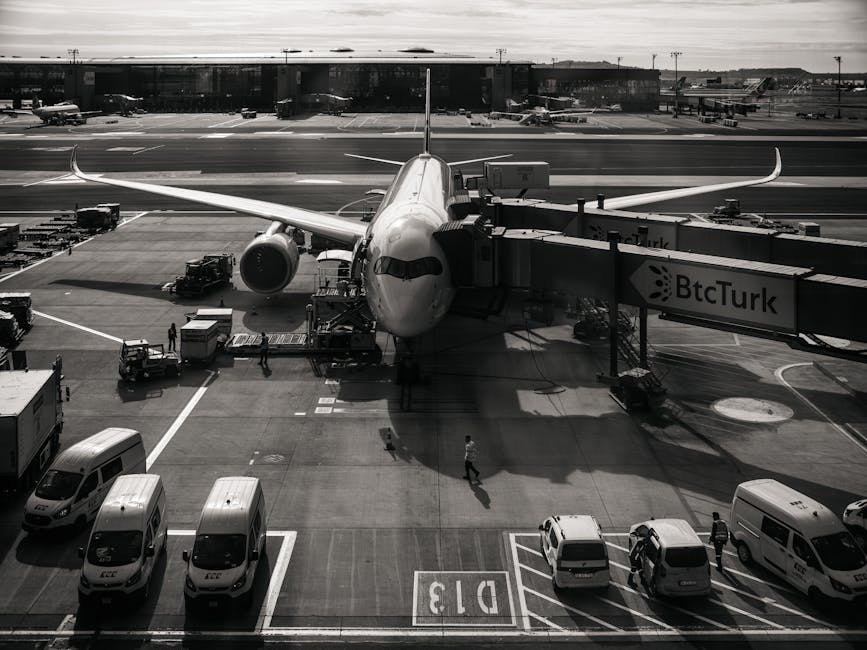 Image: Monochrome image of airplane at airport gate with vehicles and jetway during the day.
- Baggage handling
- Aircraft refueling
- Catering services
- Aircraft maintenance
- Passenger boarding and deplaning
Passenger Flow Management: Guiding Passengers Through the Airport
Effective passenger flow management is crucial for minimizing congestion and ensuring a smooth and efficient airport experience. Munich Airport utilizes a variety of strategies to guide passengers through the airport, including clear signage, intuitive wayfinding systems, and the deployment of staff to assist passengers. Real-time monitoring of passenger flow allows airport operators to identify and address potential bottlenecks proactively.
Strategies for effective passenger flow management:
- Clear signage and wayfinding systems
- Deployment of staff to assist passengers
- Real-time monitoring of passenger flow
- Dynamic adjustment of resources to address congestion
Contingency Planning: Handling Disruptions and Delays
Despite the best efforts to optimize operations, disruptions and delays are sometimes unavoidable. Munich Airport has developed comprehensive contingency plans to handle a variety of potential disruptions, such as weather-related delays, security incidents, and equipment failures. These plans outline procedures for managing passenger flow, communicating with passengers, and coordinating with airlines and other stakeholders. Regular drills and simulations are conducted to ensure that staff are prepared to respond effectively to any situation.
Elements of contingency planning:
- Procedures for managing passenger flow
- Communication protocols for informing passengers
- Coordination with airlines and other stakeholders
- Regular drills and simulations
Sustainability Initiatives: Balancing Growth with Environmental Responsibility
Munich Airport is committed to balancing growth with environmental responsibility. The airport has implemented a range of sustainability initiatives aimed at reducing its carbon footprint, minimizing noise pollution, and promoting responsible waste management.
Energy Efficiency: Reducing the Airport's Carbon Footprint
MUC has implemented a variety of energy efficiency measures to reduce its carbon footprint. These measures include the use of energy-efficient lighting, the installation of solar panels, and the implementation of smart building management systems. The airport also invests in renewable energy sources, such as wind power and geothermal energy. In 2023, Munich Airport reduced its carbon emissions by 25% compared to 2010 levels.
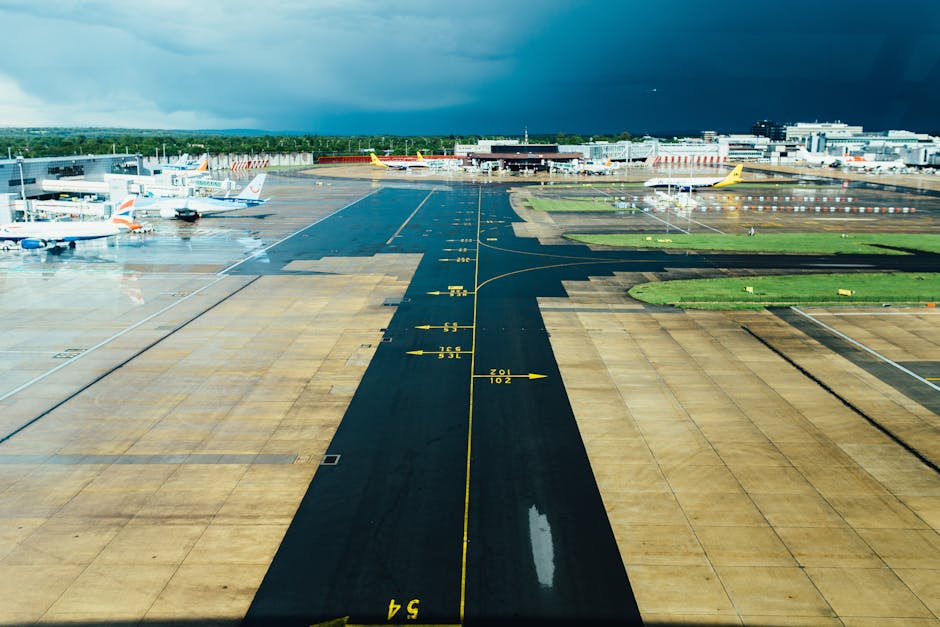 Image: Aerial view of an airport runway with several parked planes on a cloudy day. Ideal for travel and aviation themes.
Energy efficiency measures:
- Energy-efficient lighting
- Solar panel installations
- Smart building management systems
- Investment in renewable energy sources
Noise Reduction: Minimizing Impact on Surrounding Communities
Munich Airport recognizes the importance of minimizing noise pollution for surrounding communities. The airport has implemented a variety of noise reduction measures, such as preferential runway usage, noise barriers, and restrictions on nighttime flights. The airport also works closely with airlines to promote the use of quieter aircraft. These efforts have significantly reduced the impact of airport operations on nearby residents.
Noise reduction measures:
- Preferential runway usage
- Noise barriers
- Restrictions on nighttime flights
- Promotion of quieter aircraft
Sustainable Aviation Fuel (SAF): Exploring Alternative Fuel Sources
Munich Airport is actively exploring the use of Sustainable Aviation Fuel (SAF) as an alternative to traditional jet fuel. SAF is produced from sustainable sources, such as biomass and waste products, and can significantly reduce carbon emissions. The airport has partnered with airlines and fuel producers to promote the development and adoption of SAF. MUC aims to be a leader in the use of SAF, contributing to a more sustainable future for the aviation industry.
Benefits of Sustainable Aviation Fuel (SAF):
- Reduced carbon emissions
- Sustainable sourcing of fuel
- Potential for long-term cost savings
- Contribution to a more sustainable aviation industry
Waste Management: Promoting Recycling and Reducing Landfill Waste
Munich Airport is committed to responsible waste management. The airport has implemented a comprehensive waste management program that promotes recycling and reduces landfill waste. This program includes the separation of recyclable materials, the composting of organic waste, and the implementation of waste reduction initiatives. The airport also works with its tenants and partners to minimize waste generation.
Elements of the waste management program:
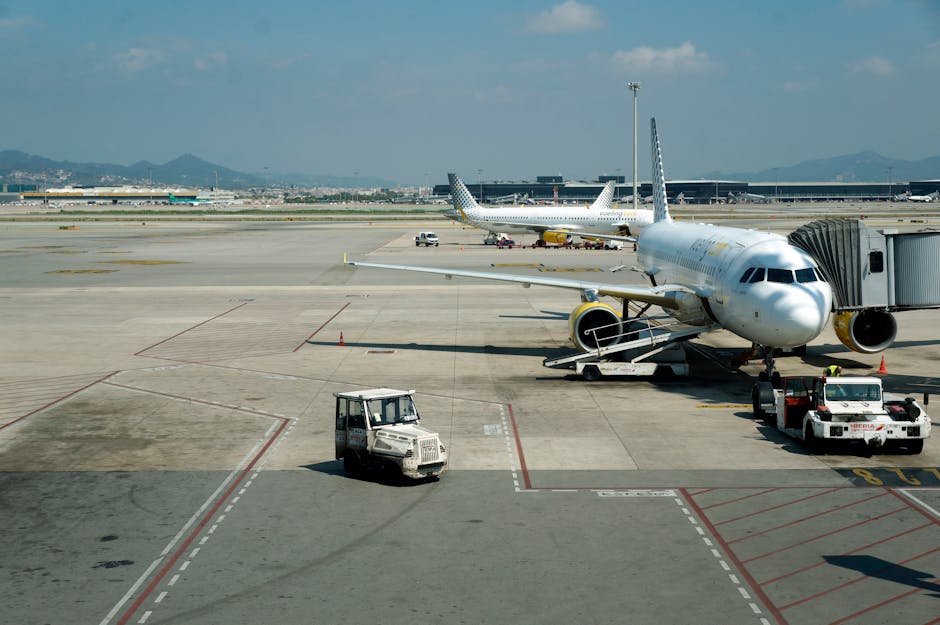 Image: A commercial airplane prepares for boarding at Girona Airport with clear skies and mountains in the distance.
- Separation of recyclable materials
- Composting of organic waste
- Waste reduction initiatives
- Collaboration with tenants and partners
Expert Real-World Examples: Case Studies in Operational Excellence
Munich Airport's operational excellence is best illustrated through real-world examples of how it handles specific challenges and opportunities. These case studies provide insights into the airport's strategies and capabilities.
Case Study 1: Efficient Handling of A380 Flights
The Airbus A380, the world's largest passenger aircraft, presents unique operational challenges for airports. Munich Airport has invested in specialized infrastructure and procedures to efficiently handle A380 flights. This includes dedicated gates with double boarding bridges, extra-wide taxiways, and specialized ground handling equipment. The airport's ability to handle A380 flights smoothly and efficiently demonstrates its operational capabilities.
Key elements of A380 handling:
- Dedicated gates with double boarding bridges
- Extra-wide taxiways
- Specialized ground handling equipment
- Trained personnel
Case Study 2: Weather-Related Disruption Management
Severe weather events can disrupt airport operations, causing delays and cancellations. Munich Airport has developed a comprehensive weather-related disruption management plan to minimize the impact of adverse weather conditions. This plan includes procedures for de-icing aircraft, clearing runways, and managing passenger flow. The airport also utilizes advanced weather forecasting systems to anticipate and prepare for potential disruptions. During a severe snowstorm in January 2024, MUC managed to resume operations within 6 hours, minimizing passenger delays.
Elements of weather-related disruption management:
- De-icing procedures
- Runway clearing operations
- Passenger flow management
- Advanced weather forecasting systems
Case Study 3: Optimizing Baggage Transfer for Connecting Flights
Efficient baggage transfer is crucial for passengers with connecting flights. Munich Airport has implemented a sophisticated baggage transfer system that minimizes transfer times and reduces the risk of lost luggage. This system utilizes automated sorting and tracking technologies to ensure that baggage arrives at the correct destination on time. The airport also provides dedicated baggage transfer desks to assist passengers with connecting flights. The average baggage transfer time at MUC for connecting flights is 40 minutes, significantly faster than many other major airports.
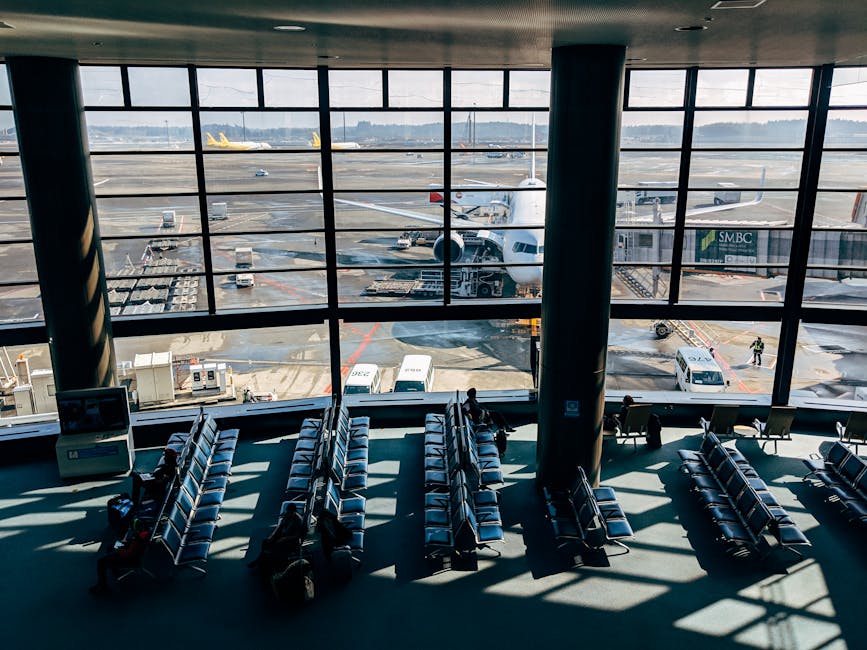 Image: Spacious airport terminal with airplane and tarmac view in Tokyo, Japan.
Expert Interview: Insights from Munich Airport Operations Manager (Hypothetical)
Interviewer: "What is the biggest challenge facing Munich Airport operations today?"
Operations Manager: "Maintaining a high level of service amidst increasing passenger volumes. We are constantly looking for ways to optimize our processes and leverage technology to improve efficiency without compromising the passenger experience."
Interviewer: "How does Munich Airport prioritize sustainability?"
Operations Manager: "Sustainability is integral to our long-term strategy. We are investing in renewable energy, reducing our carbon footprint, and promoting responsible waste management. We believe that it is our responsibility to operate in an environmentally responsible manner."
Passenger Perspective: What Makes Munich Airport Stand Out?
Ultimately, the success of Munich Airport's operations is reflected in the passenger experience. The airport strives to provide a seamless, comfortable, and enjoyable travel experience for all passengers.
Customer Service Training: Empowering Staff to Assist Passengers
Munich Airport places a strong emphasis on customer service training for its staff. Employees are trained to provide friendly, helpful, and efficient service to passengers. They are also empowered to resolve passenger issues and address concerns promptly. The airport's commitment to customer service is reflected in high passenger satisfaction ratings.
Elements of customer service training:
- Communication skills
- Problem-solving techniques
- Conflict resolution strategies
- Product knowledge
Accessibility for Passengers with Disabilities: Ensuring Inclusive Travel
Munich Airport is committed to providing accessible travel for passengers with disabilities. The airport offers a range of services and facilities to assist passengers with mobility impairments, visual impairments, and other disabilities. These services include wheelchair assistance, accessible restrooms, and designated seating areas. The airport also works closely with disability advocacy groups to ensure that its facilities and services meet the needs of all passengers.
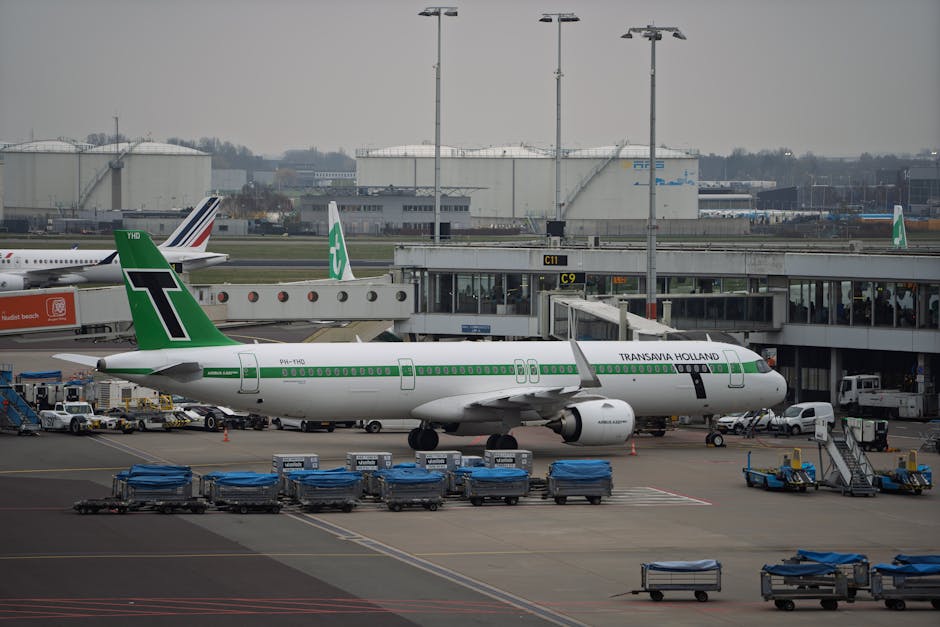 Image: Transavia Holland airplane parked at the airport gate, ready for boarding.
Accessibility services and facilities:
- Wheelchair assistance
- Accessible restrooms
- Designated seating areas
- Hearing loops
Amenities and Services: Enhancing the Overall Airport Experience
Munich Airport offers a wide range of amenities and services to enhance the overall airport experience. These include a variety of shops, restaurants, and lounges. The airport also features a spa, a casino, and a mini-golf course. These amenities provide passengers with opportunities to relax, unwind, and enjoy their time at the airport.
Examples of amenities and services:
- Shops and restaurants
- Lounges
- Spa
- Casino
- Mini-golf course
Real Passenger Testimonials: Highlighting Positive Experiences
"Munich Airport is by far the best airport I've ever been to. It's clean, efficient, and the staff are incredibly helpful." - John S.
"I was amazed by how quickly I was able to get through security at Munich Airport. The process was smooth and efficient." - Maria L.
Future Trends and Challenges: Navigating the Evolving Aviation Landscape
The aviation industry is constantly evolving, and Munich Airport must adapt to meet new challenges and opportunities. These include the increasing use of automation and robotics, the demand for personalized travel experiences, and the growing threat of cybersecurity.
Automation and Robotics: The Future of Airport Operations
Automation and robotics are poised to play an increasingly important role in airport operations. Munich Airport is exploring the use of robots for tasks such as baggage handling, cleaning, and security screening. Automation can improve efficiency, reduce costs, and enhance safety. However, it is also important to consider the potential impact of automation on the workforce.
Potential applications of automation and robotics:
- Baggage handling
- Cleaning services
- Security screening
- Passenger assistance
Personalized Travel Experiences: Tailoring Services to Individual Needs
Passengers are increasingly demanding personalized travel experiences. Munich Airport is exploring ways to tailor services to individual needs, such as providing personalized flight