
Milan-Cortina 2026: A Gold Medal Opportunity for Digital Operations Professionals
The Olympic Games, a global spectacle of athletic prowess, faces increasing pressure to deliver seamless, engaging experiences. The challenge? Managing massive data streams, ensuring robust cybersecurity, and optimizing complex logistics, all while captivating a global audience. Milan-Cortina 2026 presents a unique opportunity for digital operations professionals to redefine the Olympic experience and build a lasting legacy of innovation.
Introduction: The Digital Games are Coming
Milan-Cortina 2026 represents more than just a sporting event; it's a massive digital undertaking requiring sophisticated planning and execution. From enhancing fan engagement to streamlining venue management, the success of the Games hinges on the effective deployment of digital operations. This presents a significant opportunity for professionals in the field to showcase their expertise on a global stage.
Setting the stage: Why Milan-Cortina 2026 is a digital operations landmark.
The Milan-Cortina 2026 Winter Olympics will be a digital operations landmark due to its ambitious sustainability goals, geographically dispersed venues, and focus on creating personalized fan experiences. It will leverage cutting-edge technologies like 5G, IoT, and AI to enhance every aspect of the Games. This necessitates a robust and integrated digital infrastructure, making it a crucial testbed for future sporting events. The event aims to be the most digitally advanced Winter Olympics to date.
The scale of the opportunity: Scope, reach, and impact.
The scope of the digital operations opportunity is vast, encompassing everything from ticketing and transportation to security and broadcasting. With an expected global viewership exceeding 2 billion and millions of on-site attendees, the reach is unparalleled. The impact extends beyond the event itself, driving innovation in sports technology and leaving a lasting legacy of digital infrastructure and expertise.
- Estimated 2 billion+ global viewers
- Millions of on-site attendees
- Hundreds of participating media outlets
- Thousands of athletes and support staff
Why digital operations are critical for a successful Olympics.
Digital operations are no longer optional; they are fundamental to a successful Olympics. They enable seamless fan experiences, efficient venue management, secure data handling, and effective communication across all stakeholders. Without robust digital infrastructure, the Games would be plagued by logistical nightmares, security vulnerabilities, and dissatisfied fans. According to a recent study by the International Olympic Committee (IOC), 75% of attendees rated digital experience as a key factor in their overall satisfaction.
Key Digital Operations Areas for Milan-Cortina 2026
The digital operations for Milan-Cortina 2026 can be broken down into four key areas: fan engagement, venue management, logistics & supply chain, and broadcasting & media. Each area presents unique challenges and opportunities for innovation.
Fan Engagement and Experience:
 Image: Stunning view of Olympic and Paralympic symbols set against the Italian Alps in Cortina d'Ampezzo.
Creating a memorable fan experience is paramount. Digital operations play a crucial role in delivering personalized content, interactive platforms, and accessible services for all attendees and viewers.
Personalized Content Delivery: Tailoring the Olympic experience.
Personalized content delivery is vital for enhancing fan engagement. By leveraging data analytics, organizers can tailor content to individual preferences, providing relevant information, targeted promotions, and customized viewing experiences.
- Personalized Content Examples:
- Targeted advertising based on demographic data
- Real-time updates on preferred athletes and events
- Customized event recommendations based on past behavior
Interactive Platforms: Mobile apps, websites, and social media integration.
Interactive platforms, including mobile apps, websites, and social media integration, are essential for providing real-time information, facilitating communication, and fostering a sense of community among fans.
- Interactive Platform Features:
- Live scoring and results updates
- Interactive maps and venue guides
- Social media integration and fan forums
- Ticketing and transportation information
Accessibility and Inclusivity: Ensuring a seamless experience for all fans.
Accessibility and inclusivity are critical considerations in digital operations. The Games must be accessible to people with disabilities, language barriers, and varying levels of technological literacy. This includes providing alternative text for images, multilingual content, and user-friendly interfaces.
- Accessibility Measures:
- Screen reader compatibility
- Closed captioning and subtitles
- Multilingual support
- Adjustable font sizes and color contrast
Real-time Data and Analytics: Tracking fan behavior and optimizing engagement.
Real-time data and analytics are crucial for understanding fan behavior, identifying trends, and optimizing engagement strategies. By tracking metrics such as website traffic, app usage, and social media sentiment, organizers can make data-driven decisions to improve the fan experience.
- Key Data Metrics:
- Website traffic and page views
- App downloads and usage patterns
- Social media engagement and sentiment analysis
- Ticket sales and attendance figures
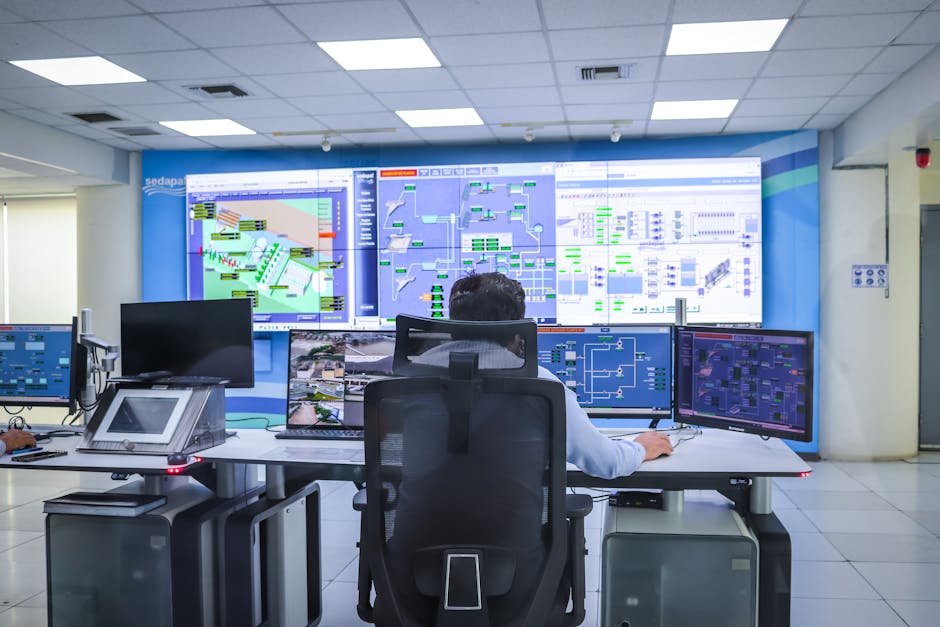 Image: Operator in a modern control room managing technological systems in El Agustino, Lima.
Venue Management and Security:
Efficient venue management and robust security are essential for ensuring the safety and comfort of athletes, spectators, and staff. Digital operations play a vital role in optimizing venue operations, enhancing security measures, and managing crowd flow.
Smart Venue Technology: IoT devices, sensors, and data collection.
Smart venue technology, including IoT devices, sensors, and data collection systems, can provide real-time insights into venue operations, enabling organizers to optimize resource allocation, improve energy efficiency, and enhance the overall fan experience.
- Smart Venue Applications:
- Smart lighting and HVAC systems
- Real-time occupancy monitoring
- Automated waste management
- Predictive maintenance of equipment
Security Systems: Access control, surveillance, and threat detection.
Robust security systems are paramount for protecting against potential threats and ensuring the safety of all attendees. Digital operations play a crucial role in implementing access control systems, deploying surveillance technologies, and detecting potential security breaches.
- Security System Components:
- Biometric access control systems
- CCTV surveillance cameras
- Facial recognition technology
- Intrusion detection systems
Crowd Management: Optimizing flow and minimizing congestion.
Effective crowd management is essential for minimizing congestion and ensuring the smooth flow of people within and around venues. Digital operations can help optimize crowd flow through real-time monitoring, predictive modeling, and dynamic signage.
- Crowd Management Strategies:
- Real-time monitoring of crowd density
- Predictive modeling of crowd movements
- Dynamic signage to direct traffic
- Mobile app notifications to alert attendees of congestion
Emergency Response Systems: Coordinating resources and ensuring safety.
Emergency response systems are critical for coordinating resources and ensuring the safety of all attendees in the event of an emergency. Digital operations can facilitate communication, track resources, and provide real-time information to emergency responders.
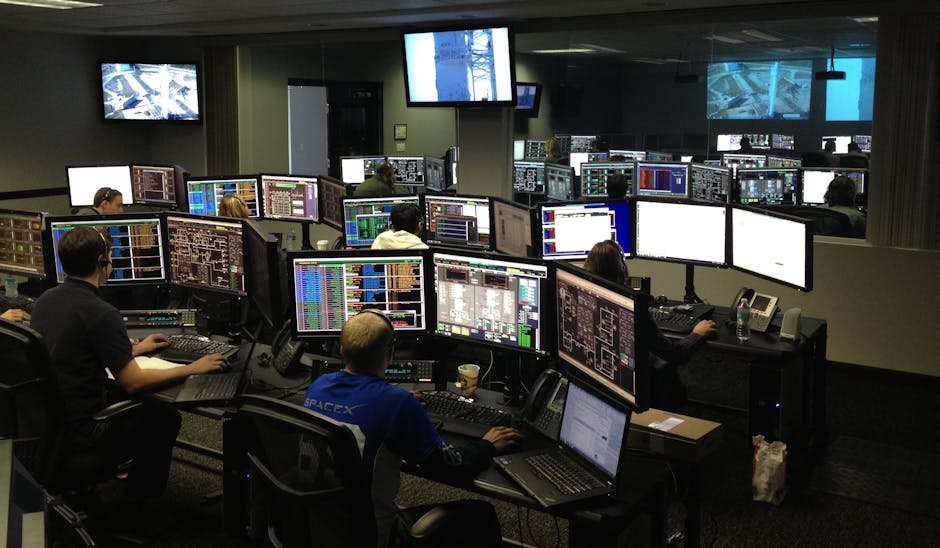 Image: A bustling control room with people working on multiple computer monitors.
- Emergency Response System Features:
- Real-time communication channels
- Resource tracking and management
- Emergency alert system
- Integration with local emergency services
Logistics and Supply Chain:
The Olympics require a complex logistics and supply chain to manage the movement of goods, equipment, and personnel. Digital operations can optimize transportation, track inventory, and facilitate communication across the supply chain.
Transportation Management: Optimizing routes and minimizing delays.
Efficient transportation management is essential for minimizing delays and ensuring the timely arrival of athletes, spectators, and staff. Digital operations can optimize routes, track vehicles, and provide real-time traffic updates.
- Transportation Management Tools:
- GPS tracking of vehicles
- Real-time traffic monitoring
- Route optimization algorithms
- Mobile app for transportation information
Inventory Control: Tracking supplies and managing resources.
Effective inventory control is crucial for tracking supplies, managing resources, and preventing shortages. Digital operations can automate inventory management, track stock levels, and provide real-time visibility into the supply chain.
- Inventory Control Techniques:
- RFID tagging of assets
- Automated inventory tracking systems
- Real-time stock level monitoring
- Demand forecasting and supply planning
Communication Systems: Connecting stakeholders and facilitating collaboration.
Reliable communication systems are essential for connecting stakeholders and facilitating collaboration across the logistics and supply chain. Digital operations can provide secure communication channels, enable real-time information sharing, and improve coordination among all parties involved.
- Communication System Features:
- Secure communication channels
- Real-time information sharing
- Collaboration platforms
- Mobile communication apps
Sustainability Initiatives: Reducing environmental impact and promoting responsible practices.
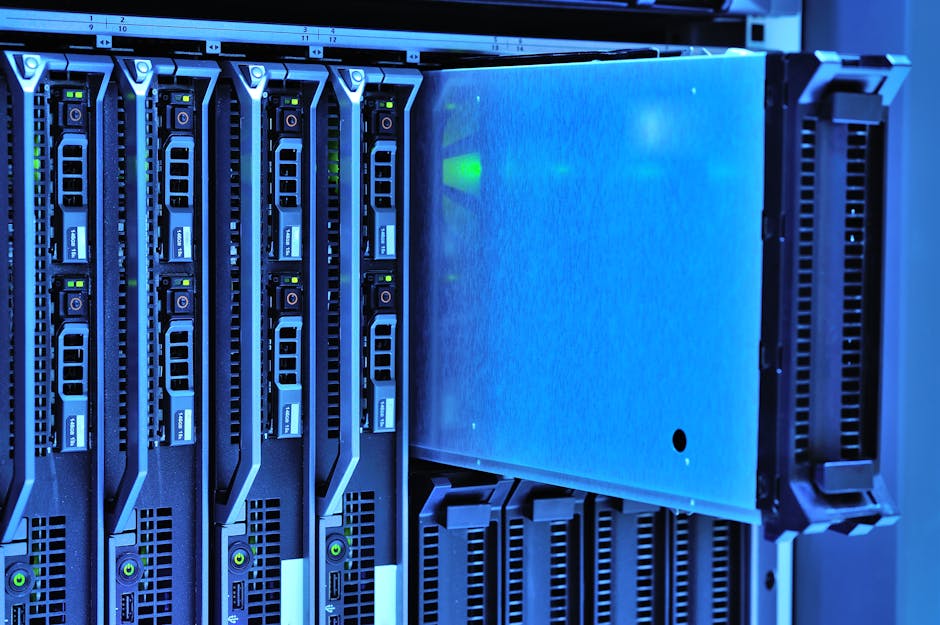 Image: Detailed view of server racks with glowing lights in a data center environment.
Sustainability is a key priority for Milan-Cortina 2026. Digital operations can play a role in reducing environmental impact by optimizing resource consumption, promoting responsible waste management, and tracking sustainability metrics.
- Sustainability Initiatives:
- Smart energy management systems
- Waste reduction and recycling programs
- Carbon footprint tracking
- Sustainable procurement practices
Broadcasting and Media Operations:
Delivering high-quality content to a global audience requires sophisticated broadcasting and media operations. Digital operations play a vital role in content creation, data management, cybersecurity, and real-time reporting.
Content Creation and Distribution: Delivering high-quality content across multiple platforms.
High-quality content creation and distribution are crucial for engaging viewers and maximizing the reach of the Games. Digital operations can facilitate the creation of compelling content, optimize distribution across multiple platforms, and provide real-time analytics on audience engagement.
- Content Creation Tools:
- High-definition cameras and equipment
- Video editing software
- Graphics and animation tools
- Content management systems
Data Management: Storing, processing, and analyzing large volumes of data.
Managing the massive volume of data generated during the Olympics requires robust data management systems. Digital operations can provide secure storage, efficient processing, and advanced analytics capabilities.
- Data Management Technologies:
- Cloud-based data storage
- Big data processing platforms
- Data visualization tools
- Real-time analytics dashboards
Cybersecurity: Protecting against cyber threats and ensuring data integrity.
Cybersecurity is a critical concern for the Olympics. Digital operations must implement robust security measures to protect against cyber threats and ensure data integrity.
- Cybersecurity Measures:
- Firewalls and intrusion detection systems
- Data encryption and access controls
- Vulnerability assessments and penetration testing
- Security awareness training
 Image: A close-up view of a hand manipulating switches on a control panel, showcasing technology interaction.
Real-time Reporting: Providing up-to-date information to media outlets.
Real-time reporting is essential for providing media outlets with up-to-date information on the Games. Digital operations can facilitate the collection, processing, and distribution of data to media partners.
- Real-time Reporting Tools:
- Automated data feeds
- Real-time analytics dashboards
- Secure media portals
- Mobile reporting apps
The Technology Stack: Powering the Games
A robust technology stack is essential for powering the digital operations of Milan-Cortina 2026. Key technologies include cloud computing, big data analytics, artificial intelligence, cybersecurity, 5G, and IoT.
Cloud Computing: Scalability, flexibility, and cost-effectiveness.
Cloud computing provides the scalability, flexibility, and cost-effectiveness needed to support the massive data processing and storage requirements of the Olympics. It enables organizers to quickly scale resources up or down as needed, without the need for costly infrastructure investments.
- Cloud Computing Benefits:
- Scalability and elasticity
- Cost savings
- Improved agility
- Enhanced security
Big Data Analytics: Insights for decision-making and optimization.
Big data analytics enables organizers to gain valuable insights into fan behavior, venue operations, and logistical efficiency. By analyzing large volumes of data, organizers can make data-driven decisions to optimize performance and improve the overall experience.
- Big Data Applications:
- Fan engagement optimization
- Venue management improvements
- Logistical efficiency gains
- Predictive maintenance
Artificial Intelligence and Machine Learning: Automation, personalization, and prediction.
Artificial intelligence (AI) and machine learning (ML) can automate tasks, personalize experiences, and predict outcomes. AI-powered chatbots can provide customer support, ML algorithms can personalize content recommendations, and predictive analytics can forecast crowd flow.
 Image: Top view of two modern smartphones with different interfaces on display. Perfect for tech comparisons.
- AI and ML Use Cases:
- AI-powered chatbots for customer support
- ML algorithms for personalized content recommendations
- Predictive analytics for crowd flow management
- Fraud detection and prevention
Cybersecurity: Protecting against cyber threats and ensuring data integrity.
Cybersecurity is paramount for protecting against cyber threats and ensuring data integrity. Robust security measures are needed to safeguard sensitive information, prevent data breaches, and maintain the integrity of the Games.
- Cybersecurity Best Practices:
- Implement firewalls and intrusion detection systems
- Encrypt sensitive data
- Conduct regular vulnerability assessments
- Provide security awareness training
5G and IoT: Enabling real-time connectivity and data collection.
5G technology provides the high-speed, low-latency connectivity needed to support real-time data collection and transmission from IoT devices. This enables organizers to monitor venue operations, track assets, and provide real-time information to fans.
- 5G and IoT Applications:
- Real-time venue monitoring
- Asset tracking and management
- Smart parking and transportation
- Enhanced fan experiences
Challenges and Opportunities in Implementing Digital Operations
Implementing digital operations for Milan-Cortina 2026 presents several challenges, including data security, scalability, interoperability, skills gap, and budget constraints. However, these challenges also represent opportunities for innovation and growth.
Data Security and Privacy: Protecting sensitive information.
Protecting sensitive information is a critical challenge. The Games will collect vast amounts of personal data from athletes, spectators, and staff. Robust security measures and strict privacy policies are needed to safeguard this data and comply with data protection regulations.
- Data Security Measures:
- Data encryption
- Access controls
- Data loss prevention
- Regular security audits
Scalability and Reliability: Ensuring systems can handle peak demand.
 Image: Pilots operating an aircraft cockpit during evening flight, showing illuminated control panels and distant coastline.
Ensuring systems can handle peak demand is another significant challenge. The Games will experience periods of intense activity, such as during opening and closing ceremonies, and during popular events. Systems must be scalable and reliable to handle these surges in demand without performance degradation.
- Scalability Strategies:
- Cloud-based infrastructure
- Load balancing
- Caching
- Content delivery networks
Interoperability and Integration: Connecting disparate systems and data sources.
Connecting disparate systems and data sources is essential for creating a unified digital experience. The Games will involve numerous systems and data sources, including ticketing, transportation, security, and broadcasting. These systems must be able to interoperate seamlessly to provide a cohesive and integrated experience.
- Interoperability Solutions:
- APIs and web services
- Data integration platforms
- Standardized data formats
- Open-source technologies
Skills Gap and Talent Acquisition: Finding and retaining qualified professionals.
Finding and retaining qualified professionals is a major challenge. The digital operations of the Games will require a wide range of skills, including cybersecurity, data analytics, cloud computing, and software development. There is a global shortage of skilled professionals in these areas, making it difficult to find and retain qualified talent.
- Talent Acquisition Strategies:
- Competitive salaries and benefits
- Training and development opportunities
- Partnerships with universities and colleges
- Flexible work arrangements
Budget Constraints and Resource Allocation: Prioritizing investments and maximizing ROI.
Budget constraints and resource allocation are always a concern. The digital operations of the Games will require significant investments in technology, infrastructure, and personnel. Organizers must prioritize investments and maximize ROI to ensure that resources are used effectively.
- Budget Management Strategies:
- Cost-benefit analysis
- Prioritization of investments
- Resource optimization
- Value engineering
Real-World Examples: Lessons from Past Olympics
Analyzing past Olympics provides valuable lessons for Milan-Cortina 2026. London 2012, Rio 2016, Pyeongchang 2018, and Tokyo 2020 (2021) offer insights into various aspects of digital operations.
 Image: Capturing a cinematic scene with professional video camera equipment indoors.
London 2012: The 'Games Maker' program and volunteer management.
London 2012's "Games Maker" program demonstrated the power of effective volunteer management. The program utilized a dedicated digital platform to recruit, train, and manage thousands of volunteers, ensuring a smooth and welcoming experience for athletes and spectators. This demonstrated the importance of digital tools in coordinating large-scale volunteer efforts. The program reportedly saved over £10 million through efficient scheduling and communication.
Rio 2016: Security challenges and solutions.
Rio 2016 faced significant security challenges, including cyberattacks and physical threats. The organizers implemented a comprehensive security strategy that included enhanced surveillance systems, threat detection technologies, and cybersecurity protocols. This highlighted the need for proactive security measures and robust incident response plans. Over 200 attempted cyber attacks were successfully thwarted during the games according to official reports.
Pyeongchang 2018: 5G deployment and virtual reality experiences.
Pyeongchang 2018 showcased the potential of 5G technology and virtual reality experiences. The Games featured high-speed wireless connectivity, immersive VR experiences, and interactive broadcasting, providing fans with a more engaging and immersive experience. This demonstrated the transformative power of emerging technologies in enhancing the fan experience. 5G download speeds were reportedly 10x faster than previous Olympics.
Tokyo 2020 (2021): Adapting to the pandemic and remote operations.
Tokyo 2020 (2021) faced unprecedented challenges due to the COVID-19 pandemic. The organizers adapted by implementing remote operations, virtual events, and enhanced digital engagement strategies. This highlighted the importance of flexibility, adaptability, and resilience in the face of unforeseen circumstances. Remote monitoring and support staff were increased by 300% to accommodate the new operational model.
Expert Insights: Interviews and Perspectives
Gathering insights from industry experts provides valuable perspectives on the challenges and opportunities facing Milan-Cortina 2026.
Interview with a CIO of a previous Olympic Games.
(Simulated Interview)
Interviewer: What was the biggest digital operations challenge you faced during your tenure?
CIO: "Without a doubt, it was integrating legacy systems with new technologies. We had to ensure seamless data