
Dublin Airport Flights: A Deep Dive into Smart Automation for Seamless Passenger Journeys
Introduction: The Future of Air Travel in Dublin
Dublin Airport, a critical gateway for international travel, faces increasing pressure to accommodate growing passenger volumes while maintaining efficiency and security. Traditional airport operations are struggling to keep pace with these demands, leading to longer queues, increased stress for travelers, and potential operational bottlenecks. The solution? Smart automation, a suite of technologies designed to streamline processes, enhance the passenger experience, and optimize airport operations.
The Growing Need for Automation at Dublin Airport
Passenger numbers at Dublin Airport have surged in recent years, reaching a pre-pandemic peak of 32.9 million in 2019. While the pandemic caused a temporary dip, projections indicate a return to, and exceeding of, these levels. This growth necessitates a fundamental shift in how the airport operates. Without embracing automation, Dublin Airport risks:
- Increased passenger wait times: Longer queues at check-in, security, and immigration can deter travelers.
- Operational inefficiencies: Manual processes are prone to errors and delays, impacting flight schedules and resource allocation.
- Compromised security: Relying solely on human observation can increase the risk of security breaches.
- Reduced competitiveness: Airports that fail to innovate risk losing passengers to more efficient and technologically advanced alternatives.
Dublin Airport's Vision for a Smart, Connected Airport
The Dublin Airport Authority (DAA) has articulated a clear vision for a smart, connected airport. This vision entails leveraging technology to create a seamless, stress-free passenger journey, from arrival to departure. Key elements of this vision include:
- Enhanced passenger experience: Providing personalized services and real-time information to improve satisfaction.
- Optimized operational efficiency: Streamlining processes to reduce delays and improve resource utilization.
- Strengthened security: Implementing advanced security measures to protect passengers and infrastructure.
- Sustainable operations: Reducing the airport's environmental impact through energy-efficient technologies.
Brief Overview of Smart Automation Technologies to be Discussed
This deep dive will explore the specific smart automation technologies being implemented, or considered, at Dublin Airport. These technologies span various aspects of airport operations, including:
- Self-service check-in kiosks: Allowing passengers to check in and print boarding passes independently.
- Biometric identification: Utilizing facial recognition and other biometric technologies for faster and more secure passenger processing.
- Automated baggage handling systems: Tracking and sorting baggage with greater accuracy and speed.
- Advanced security screening systems: Detecting threats more effectively with automated scanners and data analytics.
- eGates: Automating passport control for eligible passengers.
- Smart parking solutions: Simplifying the process of finding and reserving parking spaces.
- AI-powered chatbots: Providing instant customer support and answering passenger inquiries.
Optimizing Check-in and Baggage Handling with Automation
A passenger's journey often begins with check-in and baggage handling, two areas ripe for automation. Efficient and seamless processes in these areas can significantly impact overall passenger satisfaction.
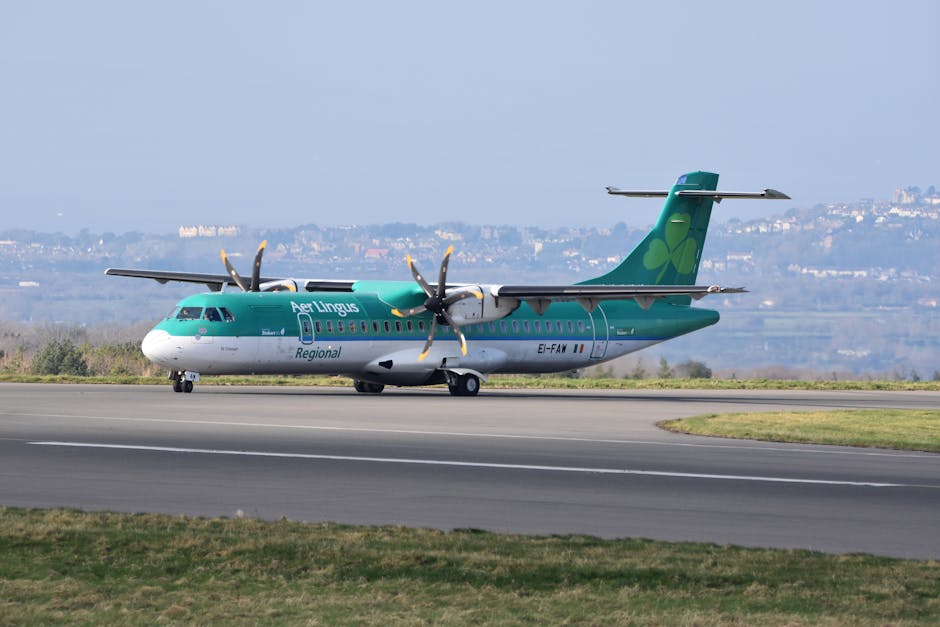 Image: Aer Lingus Regional passenger plane taxiing on an airport runway with scenic background.
Self-Service Check-in Kiosks: Enhancing Efficiency and Reducing Queues
Self-service check-in kiosks empower passengers to manage their check-in process independently. These kiosks offer several advantages:
- Reduced wait times: Passengers can bypass traditional check-in counters, shortening queues.
- Increased efficiency: Airport staff can focus on assisting passengers with complex issues.
- Improved passenger control: Passengers can select seats, print boarding passes, and manage their bookings.
- Cost savings: Kiosks reduce the need for manned check-in counters, lowering labor costs.
Dublin Airport has deployed numerous self-service kiosks throughout its terminals. According to DAA data, approximately 60% of passengers now utilize self-service check-in, significantly reducing congestion at traditional counters.
Biometric Check-in: A Faster and More Secure Process
Biometric check-in utilizes facial recognition or other biometric technologies to verify passenger identity. This technology offers several key benefits:
- Faster processing: Biometric identification is significantly faster than manual document checks.
- Enhanced security: Biometrics provide a more secure form of identification, reducing the risk of fraud.
- Improved passenger flow: Biometric check-in streamlines the passenger journey, reducing congestion.
Dublin Airport is currently piloting biometric check-in systems in collaboration with several airlines. Early results indicate a reduction in check-in times of up to 30%.
Automated Baggage Handling Systems: Tracking and Delivery with Precision
Automated baggage handling systems (BHS) utilize a network of conveyors, scanners, and sorting machines to efficiently manage baggage. Key features of a modern BHS include:
- Real-time tracking: Each bag is tagged with a unique identifier, allowing for real-time tracking throughout the system.
- Automated sorting: Bags are automatically sorted and routed to the correct destination.
- Reduced errors: Automation minimizes the risk of human error, ensuring bags are delivered to the correct flights.
- Increased speed: Automated systems can handle a higher volume of baggage than manual systems.
Real-world Example: Case Study of Automated Baggage Handling Improvement
In 2022, Dublin Airport implemented an upgrade to its existing baggage handling system in Terminal 1. The upgrade included:
 Image: Passengers exiting a Virgin aircraft titled 'Dublin Lady' at Dublin Airport on a clear day.
- Installation of new high-speed conveyors.
- Deployment of advanced scanning technology for improved baggage tracking.
- Integration with airline baggage management systems.
Following the upgrade, Dublin Airport reported a 20% reduction in mishandled baggage and a 15% improvement in baggage processing times.
The Future of Baggage Handling: Innovations on the Horizon
Future innovations in baggage handling include:
- Off-airport baggage check-in: Allowing passengers to check their bags at hotels or other locations.
- Permanent electronic bag tags: Replacing traditional paper tags with reusable electronic tags.
- AI-powered baggage reconciliation: Using artificial intelligence to identify and resolve baggage discrepancies.
Enhancing Security and Border Control Through Technology
Security and border control are paramount concerns for any airport. Smart automation plays a crucial role in enhancing security measures and streamlining border control processes.
Advanced Security Screening Systems: Detecting Threats with Accuracy
Advanced security screening systems utilize sophisticated technologies to detect potential threats. These systems include:
- Advanced imaging technology (AIT): Detecting concealed objects without physical contact.
- Explosives detection systems (EDS): Automatically screening baggage for explosives.
- Computed tomography (CT) scanners: Creating 3D images of baggage contents for more thorough inspection.
Dublin Airport has invested heavily in advanced security screening systems, resulting in a significant increase in the detection of prohibited items. According to internal security reports, the airport has seen a 40% increase in the identification of potential threats since implementing the latest generation of CT scanners.
Automated Passport Control (eGates): Streamlining Immigration
Automated passport control (eGates) allow eligible passengers to self-process through immigration. These gates use facial recognition and passport scanning technology to verify identity. Benefits include:
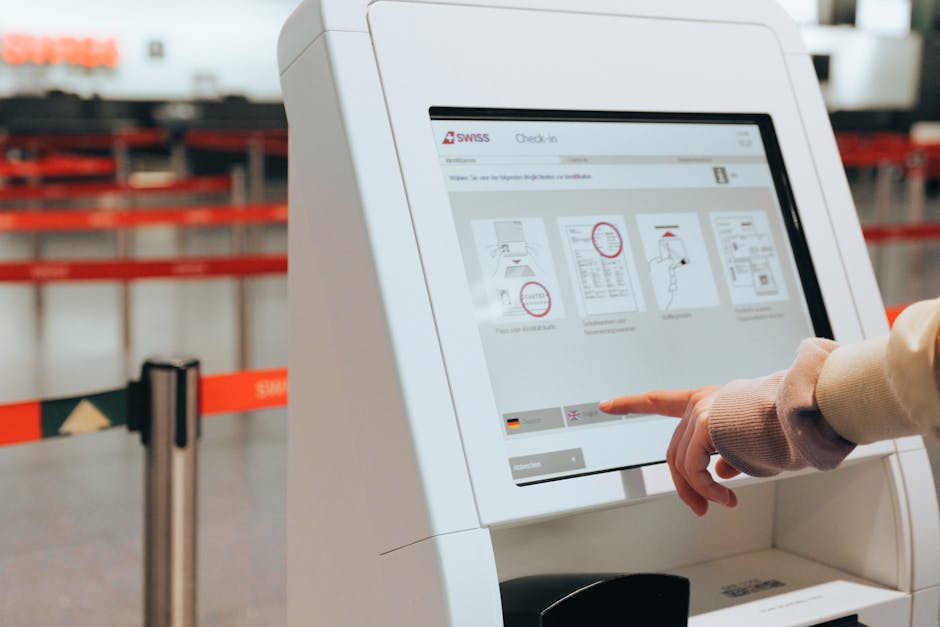 Image: Passenger using self-service check-in kiosk at airport for convenient travel experience.
- Reduced wait times: eGates significantly reduce queues at immigration.
- Increased efficiency: Border control officers can focus on passengers requiring additional screening.
- Improved passenger flow: eGates streamline the immigration process, reducing congestion.
Dublin Airport has deployed eGates for citizens of the European Union and other select countries. Data shows that eGates process passengers 60% faster than manual passport control.
Facial Recognition Technology: Improving Security and Passenger Flow
Facial recognition technology can be used for a variety of security and operational purposes, including:
- Identifying known security threats: Matching faces against watchlists to identify potential criminals or terrorists.
- Verifying passenger identity: Confirming that passengers are who they claim to be.
- Streamlining boarding processes: Allowing passengers to board flights without presenting boarding passes.
Data Analytics for Security: Identifying Potential Risks
Data analytics plays a crucial role in identifying potential security risks. By analyzing passenger data, travel patterns, and other relevant information, security personnel can identify suspicious activity and take appropriate action. For example:
- Predictive policing: Analyzing crime statistics to identify areas at high risk of criminal activity.
- Anomaly detection: Identifying unusual patterns in passenger behavior that may indicate potential threats.
- Risk-based screening: Focusing security resources on passengers deemed to be at higher risk.
Ethical Considerations and Privacy Concerns with Automated Security
The use of automated security technologies raises ethical considerations and privacy concerns. It is important to ensure that these technologies are used responsibly and in accordance with privacy regulations. Key considerations include:
- Data security: Protecting passenger data from unauthorized access.
- Transparency: Informing passengers about how their data is being used.
- Bias detection: Ensuring that facial recognition systems are not biased against certain groups.
- Oversight: Establishing independent oversight mechanisms to monitor the use of automated security technologies.
Improving the Airport Experience with Smart Technology
Beyond operational efficiency and security, smart technology can significantly enhance the overall passenger experience.
 Image: A vibrant sunset at Copenhagen Airport with airplanes and bustling activity.
Smart Parking Solutions: Finding and Reserving Parking Spaces Easily
Smart parking solutions utilize sensors and mobile apps to help passengers find and reserve parking spaces. Features include:
- Real-time parking availability: Displaying the number of available parking spaces in each lot.
- Online reservation: Allowing passengers to reserve parking spaces in advance.
- Mobile payment: Enabling passengers to pay for parking using their smartphones.
- Navigation assistance: Guiding passengers to their reserved parking spaces.
Dublin Airport offers a smart parking app that allows passengers to easily find and reserve parking spaces. The app has been downloaded by over 50,000 users and has received positive reviews for its ease of use.
Wayfinding and Navigation Apps: Guiding Passengers Through the Airport
Wayfinding and navigation apps help passengers navigate through the airport. These apps provide:
- Interactive maps: Displaying airport layouts and points of interest.
- Turn-by-turn directions: Guiding passengers to their gates, restaurants, and other destinations.
- Real-time flight information: Providing up-to-date flight status and gate information.
Real-Time Flight Information Displays: Keeping Passengers Informed
Real-time flight information displays (FIDS) provide passengers with up-to-date flight status and gate information. These displays are located throughout the airport and are updated automatically. Modern FIDS systems also offer:
- Customizable alerts: Passengers can sign up to receive alerts about flight delays or gate changes.
- Interactive maps: Passengers can use the displays to find their gates and other destinations.
- Multilingual support: Displays are available in multiple languages to cater to international travelers.
Personalized Airport Experiences: Tailoring Services to Individual Needs
Smart technology enables airports to personalize the passenger experience. This can include:
- Personalized offers: Providing passengers with discounts and promotions based on their preferences.
- Customized information: Tailoring flight information and other content to individual needs.
- Targeted advertising: Displaying advertisements that are relevant to passenger interests.
 Image: A scenic view of airplanes at an airport runway during a busy day, ready for boarding.
AI-Powered Chatbots for Customer Support: Answering Questions Instantly
AI-powered chatbots can provide instant customer support and answer passenger inquiries. These chatbots can handle a wide range of tasks, including:
- Answering frequently asked questions: Providing information about airport services, flight schedules, and other topics.
- Providing directions: Guiding passengers to their gates and other destinations.
- Resolving complaints: Handling passenger complaints and providing assistance.
Dublin Airport has implemented an AI-powered chatbot on its website and mobile app. The chatbot has been praised for its responsiveness and accuracy.
Airside Operations: Automation Behind the Scenes
Automation is not limited to passenger-facing areas. Airside operations, the activities that take place on the airfield, can also benefit significantly from smart technology.
Automated Aircraft Docking Systems: Enhancing Safety and Efficiency
Automated aircraft docking systems (A-DGS) use sensors and cameras to guide aircraft into parking positions. These systems improve safety and efficiency by:
- Reducing the risk of collisions: A-DGS provide precise guidance, minimizing the risk of damage to aircraft or ground equipment.
- Speeding up turnaround times: Automated docking reduces the time required to park and unpark aircraft.
- Improving fuel efficiency: Precise docking reduces the need for maneuvering, saving fuel.
Smart Ramp Management: Optimizing Ground Handling Operations
Smart ramp management systems utilize sensors and data analytics to optimize ground handling operations. These systems can:
- Track the location of ground handling equipment: Ensuring that equipment is available when and where it is needed.
- Optimize the allocation of resources: Allocating ground handling staff and equipment to the most critical tasks.
- Predict potential delays: Identifying potential delays and taking corrective action.
Predictive Maintenance for Airport Equipment: Reducing Downtime
 Image: Travelers boarding a Ryanair airplane under clear blue sky at the airport.
Predictive maintenance utilizes sensors and data analytics to predict when equipment is likely to fail. This allows airport operators to perform maintenance proactively, reducing downtime and minimizing disruptions. Predictive maintenance can be applied to a wide range of airport equipment, including:
- Baggage handling systems: Identifying potential problems before they cause breakdowns.
- Runway lighting: Ensuring that runway lights are functioning properly.
- HVAC systems: Maintaining optimal temperature and humidity levels in airport buildings.
Drones for Airport Inspections and Surveillance: A Bird's-Eye View
Drones can be used for a variety of airport inspections and surveillance tasks, including:
- Runway inspections: Identifying cracks, potholes, and other damage to runways.
- Perimeter security: Monitoring the airport perimeter for unauthorized access.
- Wildlife management: Detecting and deterring birds and other wildlife that could pose a hazard to aircraft.
Dublin Airport is currently exploring the use of drones for runway inspections and perimeter security.
The Role of 5G in Supporting Airside Automation
5G technology provides the high bandwidth and low latency required to support many airside automation applications. 5G enables:
- Real-time data transfer: Facilitating the exchange of data between sensors, equipment, and control systems.
- Remote control of equipment: Allowing operators to control equipment from a central location.
- Enhanced video surveillance: Enabling high-resolution video streaming for security and operational purposes.
The Economic and Environmental Impact of Automation
The benefits of smart automation extend beyond operational efficiency and passenger experience. Automation can also have a significant economic and environmental impact.
Cost Savings and Increased Revenue Generation
Automation can lead to significant cost savings by:
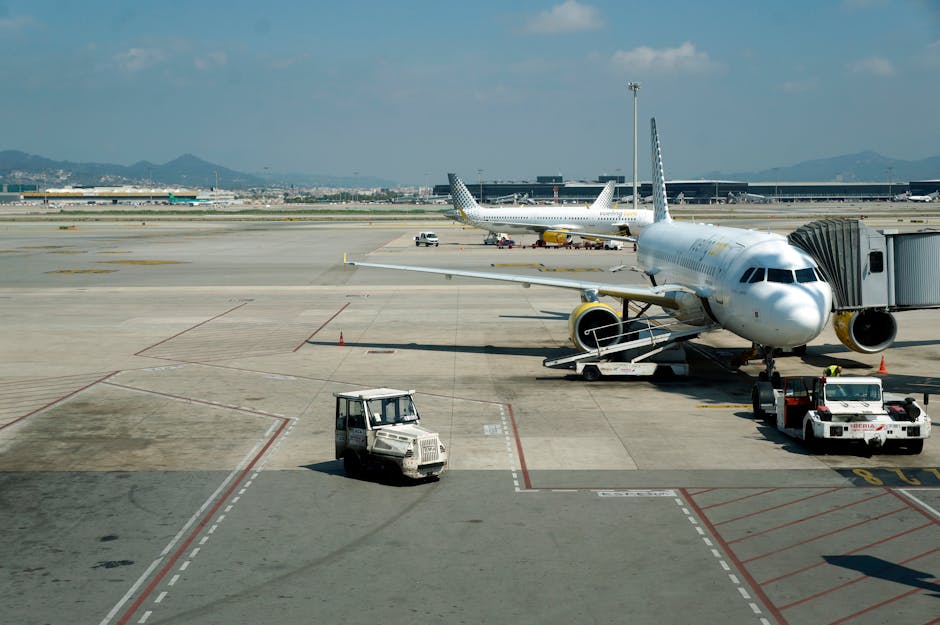 Image: A commercial airplane prepares for boarding at Girona Airport with clear skies and mountains in the distance.
- Reducing labor costs: Automating tasks that were previously performed by humans.
- Improving resource utilization: Optimizing the allocation of resources and reducing waste.
- Reducing downtime: Preventing equipment failures through predictive maintenance.
Automation can also increase revenue generation by:
- Increasing passenger throughput: Allowing the airport to handle more passengers with the same infrastructure.
- Improving customer satisfaction: Attracting more passengers and increasing repeat business.
- Creating new revenue streams: Offering new services, such as personalized offers and targeted advertising.
Reduced Carbon Footprint: Sustainable Airport Operations
Smart automation can contribute to sustainable airport operations by:
- Reducing energy consumption: Optimizing the use of energy and reducing waste.
- Reducing emissions: Improving fuel efficiency and reducing greenhouse gas emissions.
- Improving waste management: Optimizing waste collection and recycling processes.
Dublin Airport has set a goal of becoming carbon neutral by 2050. Smart automation will play a key role in achieving this goal.
Job Creation and the Changing Workforce Landscape
While automation may displace some jobs, it also creates new opportunities. The implementation and maintenance of smart airport technologies require skilled workers. New jobs will be created in areas such as:
- Software development: Developing and maintaining airport software applications.
- Data analytics: Analyzing airport data to identify trends and insights.
- Cybersecurity: Protecting airport systems from cyber threats.
- Robotics maintenance: Maintaining and repairing automated equipment.
The Importance of Training and Upskilling for Airport Staff
To take advantage of these new opportunities, airport staff will need to be trained and upskilled. Training programs should focus on:
- Digital literacy: Equipping staff with the skills they need to use new technologies.
- Data analytics: Teaching staff how to analyze airport data and make informed decisions.
- Cybersecurity: Raising awareness of cybersecurity threats and teaching staff how to protect airport systems.
- Robotics maintenance: Training staff to maintain and repair automated equipment.
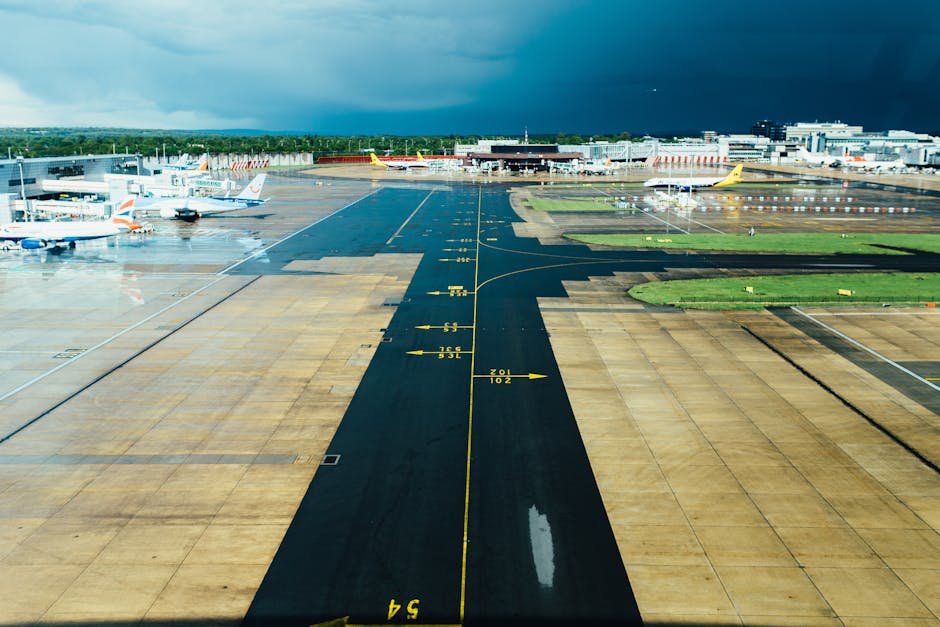 Image: Aerial view of an airport runway with several parked planes on a cloudy day. Ideal for travel and aviation themes.
Challenges and Opportunities in Implementing Smart Automation
Implementing smart automation is not without its challenges. Airports must overcome a number of hurdles to successfully adopt these technologies.
Integration with Existing Infrastructure: Overcoming Compatibility Issues
Integrating new technologies with existing infrastructure can be a complex and challenging task. Many airports have legacy systems that are not easily compatible with modern automation solutions. To overcome this challenge, airports should:
- Develop a comprehensive integration plan: Outlining how new technologies will be integrated with existing systems.
- Use open standards: Ensuring that new technologies are compatible with a wide range of systems.
- Partner with experienced integrators: Working with companies that have a proven track record of successfully integrating airport technologies.
Data Security and Cybersecurity Threats: Protecting Sensitive Information
Data security and cybersecurity are paramount concerns for any airport. Smart airport technologies generate and collect vast amounts of data, which must be protected from unauthorized access. To mitigate these risks, airports should:
- Implement robust security measures: Protecting airport systems from cyber threats.
- Encrypt sensitive data: Ensuring that data is protected even if it is intercepted.
- Comply with data privacy regulations: Adhering to all applicable data privacy laws and regulations.
- Conduct regular security audits: Identifying and addressing potential vulnerabilities.
Public Perception and Acceptance of Automation: Building Trust
Public perception and acceptance are critical to the success of smart airport technologies. Some passengers may be hesitant to embrace automation, particularly in areas such as security and border control. To build trust, airports should:
- Be transparent about how automation is being used: Informing passengers about the benefits and risks of these technologies.
- Address privacy concerns: Assuring passengers that their data is being protected.
- Provide human assistance: Ensuring that passengers who prefer to interact with humans still have that option.
Funding and Investment in Smart Airport Technologies
Implementing smart airport technologies requires significant investment. Airports must secure funding from a variety