
Drone Threat to Airport Security: A Deep Dive into Digital Operations and Countermeasures
Introduction: The Evolving Drone Threat Landscape at Airports
The near miss of a passenger jet by a drone at London Heathrow in 2023, as reported by the UK Airprox Board, serves as a stark reminder of the escalating threat drones pose to airport security. This incident, and countless others, demonstrate how easily unauthorized drones can disrupt operations and endanger lives. Digital operations are now at the forefront of ensuring airspace safety.
The Increasing Prevalence of Drone Incidents Near Airports
The number of drone incidents near airports has surged dramatically in recent years. According to a 2024 report by the FAA, reported drone sightings within 5 miles of airports increased by 250% since 2019. This alarming trend necessitates a proactive and technologically advanced approach to airport security.
- Increased Accessibility: Drones are becoming more affordable and readily available to the public.
- Technological Advancements: Drones are now equipped with advanced features like high-resolution cameras, extended flight ranges, and autonomous navigation.
- Lack of Awareness: Many drone operators are unaware of the regulations and risks associated with flying near airports.
Impact of Drone Disruptions on Airport Operations and the Economy
Drone disruptions can have severe consequences for airport operations and the broader economy. Flight delays, diversions, and even airport closures can result in significant financial losses and inconvenience for passengers. A single drone incident can cost an airport upwards of $1 million in lost revenue and operational expenses, according to a 2023 study by Airports Council International.
- Flight Delays and Cancellations: Disruptions to flight schedules can cascade throughout the entire aviation network.
- Economic Losses: Airlines, airports, and other businesses suffer financial losses due to delays and cancellations.
- Reputational Damage: Airport closures can damage an airport's reputation and erode passenger confidence.
A Digital Operations Perspective: Why Technology is Key to Mitigation
Traditional security measures are often inadequate to address the unique challenges posed by drones. Digital operations, encompassing advanced technologies like radar, RF analysis, AI, and cybersecurity, are essential for detecting, identifying, and mitigating drone threats. These technologies enable a more proactive and data-driven approach to airport security.
- Real-time Monitoring: Digital systems provide continuous monitoring of airspace around airports.
- Rapid Response: Digital systems enable security personnel to quickly respond to drone threats.
- Data-Driven Decision Making: Digital systems provide valuable data for risk assessment and security planning.
Setting the Stage: Blog Post Scope and Objectives
 Image: A professional analyzing data on multiple monitors in a dark room, highlighting cybersecurity themes.
This blog post provides a comprehensive overview of the drone threat to airport security from a digital operations perspective. We will explore the vulnerabilities, technologies, regulations, and best practices involved in securing airports from drone intrusions. The goal is to equip digital operations professionals with the knowledge and tools necessary to effectively address this evolving threat.
Understanding the Drone Threat: Vulnerabilities and Exploitation
Drone threats to airports are multifaceted and require a deep understanding of potential vulnerabilities and exploitation methods. From simple hobbyist drones to sophisticated, customized models, the range of risks is vast.
Types of Drones Used in Illegal Activities: From Hobbyist to Sophisticated Models
The drones used in illegal activities near airports range from readily available consumer models to highly modified and customized versions. Understanding their capabilities is crucial for effective threat assessment.
- Hobbyist Drones: DJI Mavic series, Parrot Anafi. These are often used for unintentional airspace violations due to operator ignorance.
- Modified Drones: Consumer drones altered to carry heavier payloads or bypass geofencing restrictions.
- Custom-Built Drones: Drones specifically designed for illicit activities, such as smuggling or surveillance, often with advanced features like encrypted communication and long flight times. These can cost upwards of $10,000.
Common Drone Attack Vectors: Surveillance, Smuggling, and Disruption
Drones can be used for a variety of malicious purposes near airports, each requiring a different security response.
- Surveillance: Gathering intelligence on airport security procedures, infrastructure layout, and passenger flows.
- Smuggling: Transporting illegal goods, such as drugs or weapons, into or out of the airport.
- Disruption: Intentionally disrupting airport operations by flying in restricted airspace, causing flight delays or cancellations. A coordinated swarm of drones could overwhelm existing security systems.
Analyzing Vulnerabilities in Airport Security Protocols Exploitable by Drones
Airports have inherent vulnerabilities that drones can exploit. Identifying these weaknesses is the first step in developing effective countermeasures.
- Airspace Gaps: Areas within an airport's airspace that are not adequately monitored by radar or other surveillance systems.
- Perimeter Security Weaknesses: Gaps in perimeter fencing or security patrols that allow drones to approach the airport undetected.
- Cybersecurity Vulnerabilities: Weaknesses in airport IT systems that could be exploited to control or disrupt drone defense systems.
 Image: A person in a hoodie sits at a computer screen, engaged in coding or hacking activities.
Case Studies of Past Drone-Related Incidents at Airports Worldwide (Real-world Examples)
Analyzing past drone incidents provides valuable insights into the nature and scope of the threat.
- Gatwick Airport, UK (2018): Multiple drone sightings caused widespread disruption, leading to the cancellation of over 1,000 flights and affecting 140,000 passengers. The economic impact was estimated at over £50 million.
- Frankfurt Airport, Germany (2020): A drone was detected flying near the runway, causing a temporary suspension of flight operations. The incident highlighted the vulnerability of critical infrastructure.
- John F. Kennedy Airport, USA (2022): A drone carrying a small package was intercepted near the airport perimeter. The incident raised concerns about the potential for drones to be used for smuggling.
Digital Operations: The Core of Modern Airport Security
Digital operations form the backbone of modern airport security, providing the tools and technologies needed to detect, identify, and mitigate drone threats.
The Role of Digital Infrastructure in Airport Security Management
Digital infrastructure plays a critical role in managing airport security, enabling real-time monitoring, data analysis, and rapid response capabilities.
- Sensor Networks: Radar, RF sensors, and cameras provide continuous surveillance of the airspace and perimeter.
- Data Processing and Analytics: Advanced software analyzes sensor data to detect and identify potential drone threats.
- Communication Systems: Secure communication networks enable security personnel to coordinate their response to drone incidents.
Data Analytics and Threat Intelligence: Predicting and Preventing Drone Attacks
Data analytics and threat intelligence are essential for predicting and preventing drone attacks. By analyzing historical data and identifying patterns, security personnel can anticipate potential threats and take proactive measures.
- Predictive Analytics: Using machine learning algorithms to forecast potential drone incursions based on weather patterns, geographic data, and historical incident data.
- Threat Intelligence Feeds: Subscribing to threat intelligence feeds that provide information on emerging drone threats and vulnerabilities.
- Anomaly Detection: Identifying unusual drone activity that may indicate a potential threat.
The Convergence of Physical and Cyber Security: A Holistic Approach
 Image: Cybersecurity professionals working on computer systems, focusing on data protection in a dimly lit room.
A holistic approach to airport security requires the convergence of physical and cyber security measures. This means protecting both the physical infrastructure and the digital systems that control it.
- Cybersecurity for C-UAS Systems: Protecting counter-drone systems from hacking and other cyberattacks.
- Physical Security for Digital Infrastructure: Protecting sensor networks and data centers from physical attacks.
- Integrated Security Operations Center: A centralized location where security personnel can monitor both physical and cyber threats.
Importance of Real-time Monitoring and Response Systems
Real-time monitoring and response systems are critical for mitigating drone threats. These systems enable security personnel to quickly detect, identify, and respond to drone incursions.
- Automated Alerts: Systems that automatically alert security personnel when a drone is detected in a restricted area.
- Real-time Tracking: Systems that track the movement of drones in real-time, providing valuable information for interception and mitigation.
- Integrated Response Plans: Predefined response plans that outline the steps to be taken in the event of a drone incursion.
Counter-Drone (C-UAS) Technologies: A Digital Arsenal
Counter-drone (C-UAS) technologies provide a range of tools for detecting, identifying, and mitigating drone threats. These technologies are constantly evolving to keep pace with the growing sophistication of drones.
Drone Detection Systems: Radar, Radio Frequency (RF) Analysis, and Acoustic Sensors
Drone detection systems are the first line of defense against drone incursions. These systems use a variety of sensors to detect the presence of drones in the airspace.
- Radar: Detects drones based on their radar signature, providing long-range detection capabilities. Range can exceed 5km for larger drones.
- Radio Frequency (RF) Analysis: Detects drones by analyzing the radio signals they emit, providing accurate identification and tracking capabilities. Can identify the drone's make and model.
- Acoustic Sensors: Detects drones based on the sound they produce, providing a low-cost and passive detection method. Limited range, typically under 1km.
Drone Identification and Tracking Technologies: Visual and Digital Forensics
Once a drone has been detected, it is important to identify and track it. This information can be used to determine the drone's owner and intended purpose.
 Image: Two people typing on RGB keyboards with code on screens, indicating a cybersecurity environment.
- Visual Identification: Using cameras and binoculars to visually identify the drone.
- Digital Forensics: Analyzing the drone's data logs and communication signals to identify its owner and flight path.
- Remote ID: Technology that broadcasts the drone's identification and location information.
Drone Mitigation Techniques: Jamming, Spoofing, and Kinetic Solutions (Ethical Considerations)
Drone mitigation techniques are used to disable or redirect drones that pose a threat. These techniques must be used responsibly and ethically.
- Jamming: Disrupting the drone's communication signals, causing it to lose control or land. Must be used carefully to avoid interfering with other communication systems.
- Spoofing: Sending false GPS signals to the drone, causing it to fly off course or land in a designated area.
- Kinetic Solutions: Using physical means to disable or destroy the drone, such as nets or projectiles. These solutions should only be used as a last resort.
Integration of C-UAS Technologies into Existing Airport Security Systems
C-UAS technologies should be integrated into existing airport security systems to provide a comprehensive and coordinated response to drone threats.
- Centralized Command and Control: Integrating C-UAS systems into a centralized command and control center.
- Automated Response Plans: Developing automated response plans that trigger C-UAS systems when a drone is detected in a restricted area.
- Training and Education: Providing training and education to security personnel on the use of C-UAS systems.
Advanced Digital Solutions for Enhanced Airport Security
Advanced digital solutions, such as AI, blockchain, and cloud computing, can further enhance airport security and improve the effectiveness of C-UAS systems.
Artificial Intelligence (AI) and Machine Learning (ML) for Drone Detection and Analysis
AI and ML can be used to automate drone detection and analysis, improving the speed and accuracy of threat assessment.
- AI-Powered Drone Detection: Using AI algorithms to analyze sensor data and identify drones with greater accuracy than traditional methods. Can reduce false positives by up to 40%, according to a 2024 study.
- Machine Learning for Threat Analysis: Using machine learning to analyze drone flight patterns and identify potential threats.
- Automated Alerting: Automatically alerting security personnel when a drone is detected in a restricted area.
 Image: Close-up shot of a person holding a Kali Linux sticker, highlighting cyber security themes.
Blockchain Technology for Secure Drone Identification and Tracking
Blockchain technology can be used to create a secure and transparent system for drone identification and tracking.
- Immutable Drone Registry: Creating an immutable registry of drone ownership and registration information.
- Secure Drone Tracking: Tracking drone movements using blockchain technology, ensuring that data cannot be tampered with.
- Enhanced Accountability: Improving accountability for drone operators by making it easier to identify and track drones that violate regulations.
Cloud Computing for Scalable and Accessible Security Solutions
Cloud computing provides a scalable and accessible platform for deploying and managing airport security systems.
- Scalable Infrastructure: Scaling security infrastructure up or down as needed to meet changing demands.
- Remote Access: Providing security personnel with remote access to security systems, enabling them to monitor and respond to threats from anywhere.
- Cost Savings: Reducing the cost of security infrastructure by leveraging cloud computing resources.
Cybersecurity Measures to Protect C-UAS Systems from Hacking
C-UAS systems are vulnerable to hacking and other cyberattacks. It is important to implement robust cybersecurity measures to protect these systems.
- Strong Authentication: Requiring strong authentication for all users of C-UAS systems.
- Encryption: Encrypting all communication between C-UAS systems and other devices.
- Regular Security Audits: Conducting regular security audits to identify and address vulnerabilities.
Policy, Regulations, and Legal Considerations
The use of C-UAS technologies is subject to a complex web of policies, regulations, and legal considerations. It is important to understand these issues to ensure that C-UAS systems are deployed and used responsibly.
Overview of Current Drone Regulations and Enforcement Challenges
 Image: Person wearing a hacker mask in a dimly lit room, symbolizing cyber security.
Current drone regulations vary widely from country to country, creating challenges for enforcement.
- FAA Regulations (USA): Require drone registration, remote ID, and restrictions on flying near airports.
- EASA Regulations (Europe): Set common rules for drone operations across the European Union.
- Enforcement Challenges: Difficulty in identifying and prosecuting drone operators who violate regulations.
The Role of Government Agencies in Drone Security and Airspace Management
Government agencies play a critical role in drone security and airspace management.
- FAA (USA): Responsible for regulating drone operations and ensuring the safety of the national airspace.
- EASA (Europe): Responsible for setting common rules for drone operations across the European Union.
- Law Enforcement: Responsible for enforcing drone regulations and prosecuting drone operators who violate the law.
Legal Frameworks for C-UAS Deployment: Balancing Security and Privacy
Legal frameworks for C-UAS deployment must balance security and privacy concerns.
- Privacy Laws: Protecting the privacy of individuals who may be inadvertently captured by C-UAS sensors.
- Data Retention Policies: Establishing clear policies for the retention and use of data collected by C-UAS systems.
- Transparency: Being transparent about the use of C-UAS systems and the data they collect.
Ethical Considerations in the Use of Counter-Drone Technologies
The use of counter-drone technologies raises a number of ethical considerations.
- Proportionality: Ensuring that the use of counter-drone technologies is proportionate to the threat.
- Discrimination: Avoiding the use of counter-drone technologies in a discriminatory manner.
- Collateral Damage: Minimizing the risk of collateral damage to innocent bystanders.
Best Practices for Implementing a Comprehensive Drone Security Strategy
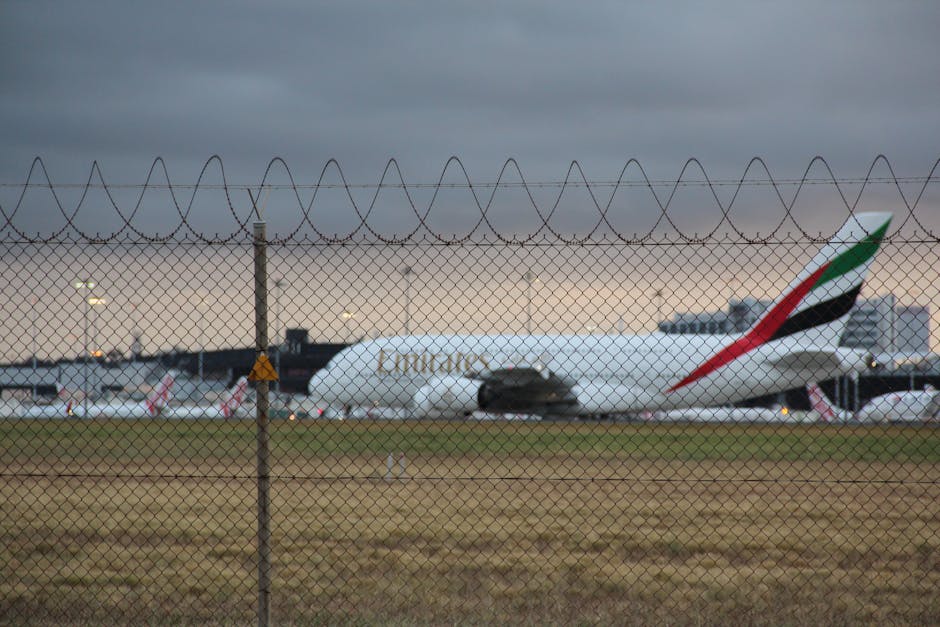 Image: Emirates A380 at Melbourne Airport with dramatic sky backdrop
Implementing a comprehensive drone security strategy requires a multi-layered approach that combines technology, procedures, and training.
Risk Assessment and Vulnerability Analysis: Identifying Key Weaknesses
The first step in developing a drone security strategy is to conduct a thorough risk assessment and vulnerability analysis.
- Identify Potential Threats: Identifying the types of drone threats that the airport is most vulnerable to.
- Assess Vulnerabilities: Assessing the weaknesses in the airport's security protocols that could be exploited by drones.
- Prioritize Risks: Prioritizing risks based on their likelihood and potential impact.
Developing a Multi-Layered Security Approach: Combining Technologies and Procedures
A multi-layered security approach combines a variety of technologies and procedures to provide comprehensive protection against drone threats.
- Layered Detection: Using multiple detection systems to provide redundancy and improve accuracy.
- Layered Mitigation: Using a variety of mitigation techniques to disable or redirect drones.
- Procedural Controls: Implementing procedures for responding to drone incursions.
Training and Education for Security Personnel: Building Expertise
Training and education are essential for ensuring that security personnel are equipped to effectively respond to drone threats.
- Drone Awareness Training: Providing security personnel with training on drone technology and regulations.
- C-UAS System Training: Providing security personnel with training on the use of C-UAS systems.
- Incident Response Training: Providing security personnel with training on how to respond to drone incursions.
Collaboration and Information Sharing: Working with Law Enforcement and Industry Partners
Collaboration and information sharing are essential for staying ahead of the evolving drone threat.
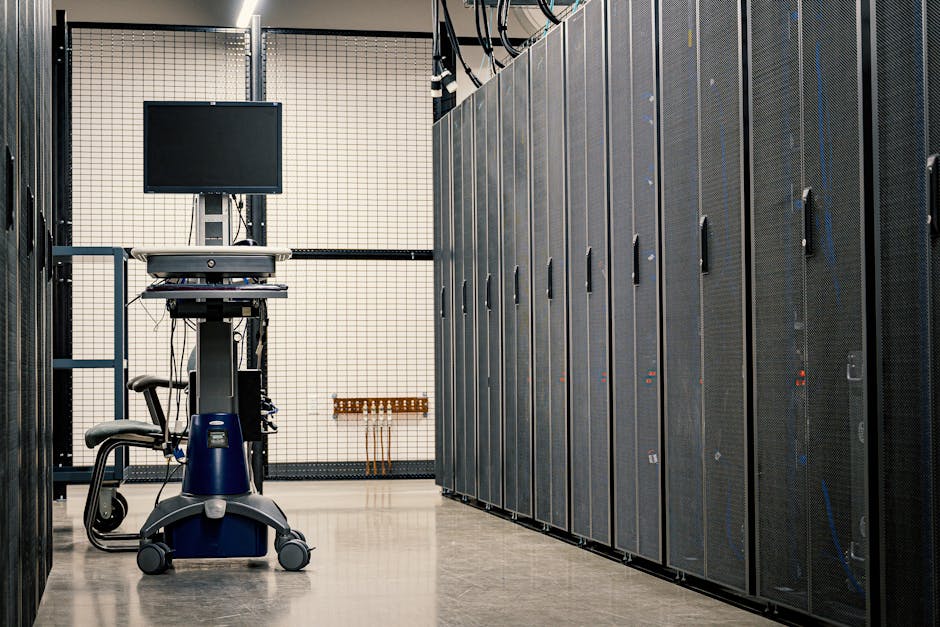 Image: Contemporary computer on support between telecommunication racks and cabinets in modern data center
- Law Enforcement Partnerships: Working with law enforcement agencies to share information and coordinate responses to drone incidents.
- Industry Partnerships: Collaborating with other airports and industry partners to share best practices and lessons learned.
- Information Sharing Platforms: Participating in information sharing platforms that provide real-time alerts and threat intelligence.
FAQ: Addressing Common Concerns About Drone Security at Airports (Detailed FAQ)
This section addresses common questions and concerns about drone security at airports.
What are the penalties for flying a drone near an airport?
Penalties for flying a drone near an airport vary depending on the jurisdiction and the severity of the violation. In the United States, the FAA can impose civil penalties of up to $32,666 per violation. Criminal penalties, including imprisonment, may also apply in certain cases. In Europe, EASA member states have their own penalty structures, which can include fines, imprisonment, and drone confiscation.
How do airports detect drones?
Airports use a variety of technologies to detect drones, including radar, radio frequency (RF) analysis, acoustic sensors, and visual observation. Radar systems can detect drones at long ranges, while RF analysis can identify and track drones based on their communication signals. Acoustic sensors can detect drones based on the sound they produce, and visual observation can be used to confirm drone sightings.
Are drone defense systems safe to use near airports?
The safety of drone defense systems is a major concern. Jamming systems can interfere with other communication signals, while kinetic solutions can pose a risk to aircraft and people on the ground. It is important to carefully evaluate the risks and benefits of each type of drone defense system before deploying it near an airport. Systems must be tested to ensure they do not negatively impact existing airport infrastructure.
What can passengers do to report suspicious drone activity?
Passengers who observe suspicious drone activity near an airport should report it to airport security or law enforcement officials immediately. Provide as much detail as possible