
Building a Future-Proof Home: Smart Energy Solutions for a Resilient Tomorrow
The increasing frequency of extreme weather events, coupled with rising energy costs and geopolitical instability, underscores the critical need for resilient homes. These homes are designed to withstand disruptions, maintain essential functions, and minimize environmental impact. This guide explores smart energy solutions that empower homeowners to build future-proof residences.
Introduction: The Imperative of Resilient Homes in a Changing World
Resilient homes are no longer a luxury, but a necessity. Our reliance on centralized, often vulnerable, infrastructure exposes us to significant risks. By embracing smart energy solutions, homeowners can create more secure, sustainable, and self-sufficient living environments.
The Growing Need for Energy Independence and Security
Global events highlight the fragility of energy supply chains. Fluctuations in fuel prices and the threat of disruptions necessitate a move towards energy independence. Energy independence reduces reliance on external sources, shields homeowners from price volatility, and enhances national security. Moreover, a recent study by the Department of Energy found that homes with on-site renewable energy and battery storage experienced 75% fewer power outages than those solely reliant on the grid.
Defining Resilience: What Makes a Home Truly Future-Proof?
A resilient home is one that can withstand and recover quickly from adverse conditions, such as power outages, extreme weather, and economic shocks. This involves:
- Energy Independence: Generating your own energy through renewable sources.
- Energy Efficiency: Minimizing energy consumption through smart design and technologies.
- Water Conservation: Reducing water usage and implementing alternative water sources.
- Backup Power: Ensuring uninterrupted power supply during grid outages.
- Smart Home Integration: Automating and optimizing energy usage through intelligent systems.
Economic and Environmental Benefits of Smart Energy Solutions
Investing in smart energy solutions yields significant economic and environmental benefits. Reduced energy consumption lowers utility bills and minimizes your carbon footprint. Homes with comprehensive energy-efficient upgrades can see a 30-50% reduction in energy costs. Furthermore, the adoption of renewable energy sources contributes to a cleaner environment and a more sustainable future. A study by the EPA found that widespread adoption of residential solar energy could reduce greenhouse gas emissions by up to 15% by 2030.
Understanding Your Energy Profile: The Foundation of Resilience
Before implementing any smart energy solutions, it's crucial to understand your current energy consumption patterns. A thorough home energy audit provides valuable insights into areas where you can improve efficiency and reduce waste.
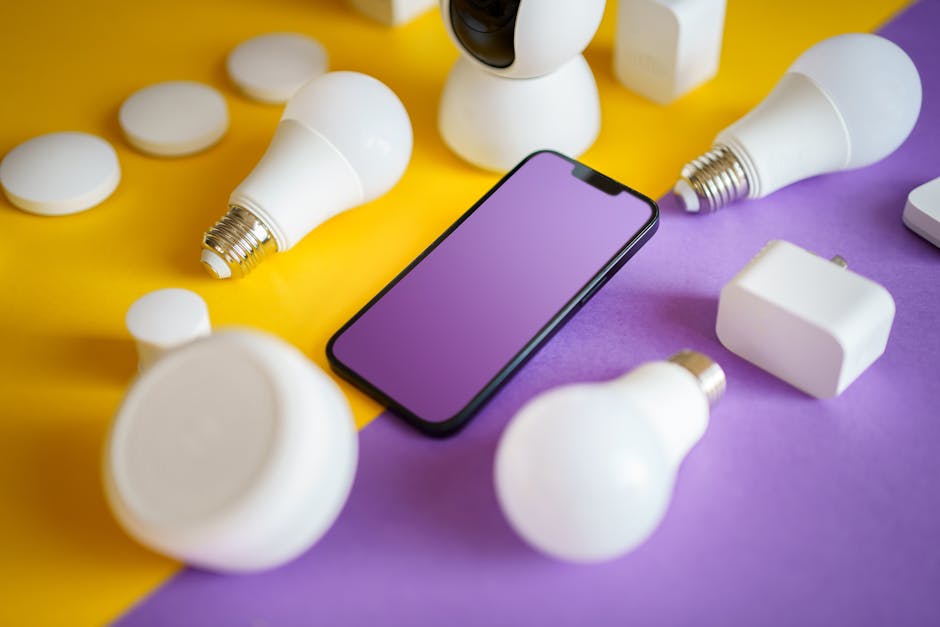 Image: Colorful flat lay of smart home devices and smartphone on vibrant background, ideal for technology concepts.
Conducting a Comprehensive Home Energy Audit: A Step-by-Step Guide
A home energy audit assesses your home's energy performance, identifying areas of inefficiency and potential savings. A DIY audit can be a good starting point, but a professional audit provides a more detailed and accurate assessment.
Steps for a DIY Home Energy Audit:
- Review Utility Bills: Analyze your energy consumption over the past 12 months.
- Inspect Insulation: Check insulation levels in attics, walls, and basements.
- Identify Air Leaks: Look for drafts around windows, doors, and electrical outlets.
- Evaluate Appliances: Assess the energy efficiency of your appliances and lighting.
- Check Heating and Cooling Systems: Inspect your HVAC system for proper maintenance and efficiency.
Identifying Energy Leakage and Inefficiencies: Thermal Imaging and Beyond
Thermal imaging cameras can detect temperature differences, revealing areas of heat loss or gain. This technology helps pinpoint air leaks, inadequate insulation, and other inefficiencies that are not visible to the naked eye. Thermal imaging can identify up to 25% more areas of energy loss compared to visual inspections alone.
Other methods for identifying energy leakage include:
- Smoke Test: Using incense or a smoke pencil to detect drafts around windows and doors.
- Blower Door Test: A professional test that depressurizes the house to identify air leakage.
- Visual Inspection: Checking for gaps, cracks, and missing insulation.
Analyzing Your Energy Consumption Patterns: Data-Driven Optimization
Understanding your energy consumption patterns is essential for optimizing energy usage. Track your energy usage over time, identifying peak consumption periods and areas where you can reduce demand. Smart meters provide detailed data on energy consumption, allowing you to monitor your usage in real-time.
Key metrics to track:
- Total Energy Consumption (kWh): Overall energy usage per month.
- Peak Demand (kW): The maximum amount of power used at any given time.
- Base Load (kW): The minimum amount of power used continuously.
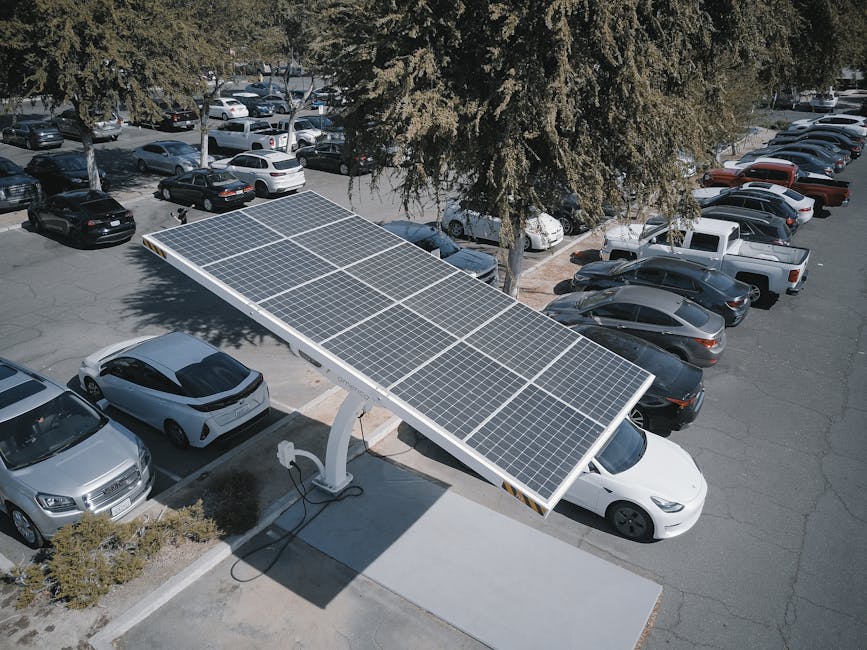 Image: Electric cars charging at a solar-powered station in a parking lot.
Harnessing the Power of the Sun: Solar Energy Systems for the Modern Home
Solar energy is a clean, renewable, and abundant source of power. Installing a solar energy system can significantly reduce your reliance on the grid and lower your energy bills.
Photovoltaic (PV) Systems: On-Grid, Off-Grid, and Hybrid Configurations
Photovoltaic (PV) systems convert sunlight into electricity. There are three main types of PV systems:
- On-Grid (Grid-Tied): Connected to the grid, allowing you to send excess energy back to the utility company.
- Off-Grid (Standalone): Not connected to the grid, requiring battery storage for continuous power supply.
- Hybrid: Combines on-grid and off-grid features, providing both grid connectivity and battery storage.
| Feature | On-Grid | Off-Grid | Hybrid | | ----------------- | ----------------------------------------- | ----------------------------------------- | ------------------------------------------ | | Grid Connection | Yes | No | Yes | | Battery Storage | Optional | Required | Required | | Cost | Lower initial cost | Higher initial cost | Higher initial cost | | Reliability | High (relies on grid as backup) | Dependent on battery capacity | High (combines grid and battery backup) |
Solar Thermal Systems: Water Heating and Space Heating Solutions
Solar thermal systems use sunlight to heat water or air. These systems are commonly used for:
- Domestic Hot Water (DHW): Heating water for showers, sinks, and laundry.
- Space Heating: Providing supplemental heating for homes.
- Pool Heating: Warming swimming pools.
Solar thermal systems are generally more efficient than PV systems for heating applications. A well-designed solar thermal system can provide up to 80% of your domestic hot water needs.
Optimizing Solar Panel Placement and Efficiency: Location, Tilt, and Orientation
The placement of solar panels significantly impacts their efficiency. Factors to consider include:
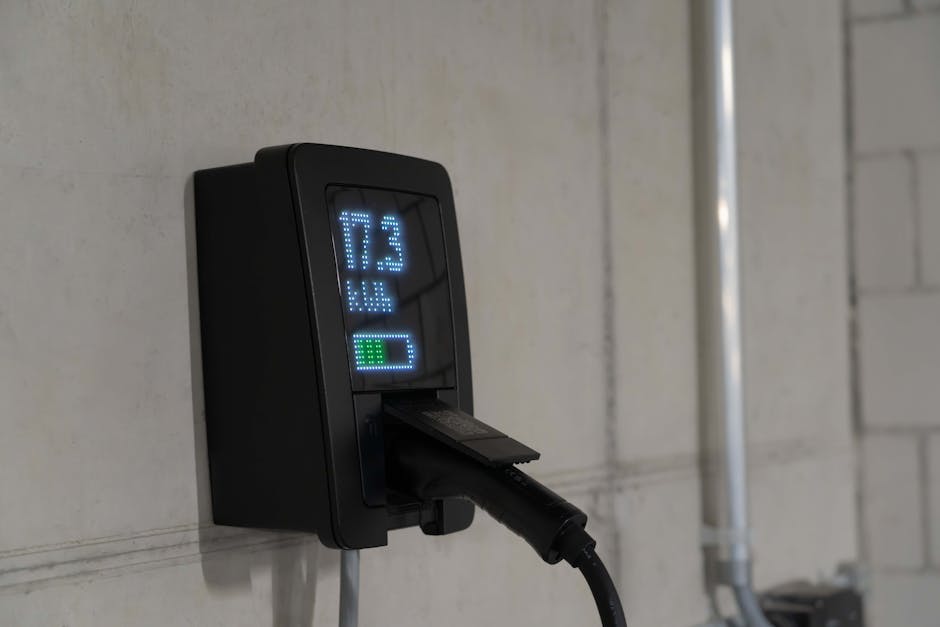 Image: Detailed view of an electric vehicle charging station indoors, showcasing charging technology.
- Location: Choose a location with maximum sunlight exposure.
- Tilt: Angle the panels towards the sun for optimal energy capture. The optimal tilt angle is typically equal to your latitude.
- Orientation: Face the panels south (in the Northern Hemisphere) for maximum sunlight exposure.
Regular cleaning of solar panels is also essential for maintaining efficiency. Dust, dirt, and debris can reduce energy production by up to 20%.
Integrating Solar Energy with Battery Storage: A Deep Dive into Battery Technologies (Lithium-ion, Flow Batteries, etc.)
Battery storage systems store excess solar energy for later use, providing power during grid outages and peak demand periods. Common battery technologies include:
- Lithium-ion: High energy density, long lifespan, and relatively low cost.
- Flow Batteries: Long lifespan, high scalability, and excellent safety characteristics.
- Lead-Acid: Low cost, but shorter lifespan and lower energy density.
| Battery Type | Energy Density | Lifespan | Cost | Advantages | Disadvantages | | ------------- | --------------- | -------- | --------- | ---------------------------------------------- | ----------------------------------------------- | | Lithium-ion | High | Long | Moderate | High efficiency, long lifespan | Can be flammable, complex manufacturing | | Flow | Moderate | Very Long| High | Long lifespan, scalable, safe | Lower energy density, higher upfront cost | | Lead-Acid | Low | Short | Low | Low cost, readily available | Short lifespan, low energy density, heavy |
Real-World Example: A Case Study of a Home Powered Primarily by Solar Energy
The Johnson family in Boulder, Colorado, installed a 10kW solar PV system with a 15kWh lithium-ion battery storage system. Their system generates approximately 12,000 kWh of electricity per year, covering 90% of their energy needs. They also participate in a net metering program, selling excess energy back to the utility company. Their annual energy savings are approximately $2,500, and they have significantly reduced their carbon footprint.
Beyond Solar: Exploring Diverse Renewable Energy Alternatives
While solar energy is the most popular renewable energy source for homes, other options are available, depending on your location and resources.
Wind Energy: Small-Scale Turbines for Residential Applications
Small-scale wind turbines can generate electricity from wind power. These turbines are typically installed in rural areas with consistent wind speeds. A 5kW wind turbine can generate approximately 10,000 kWh of electricity per year in areas with average wind speeds of 12 mph.
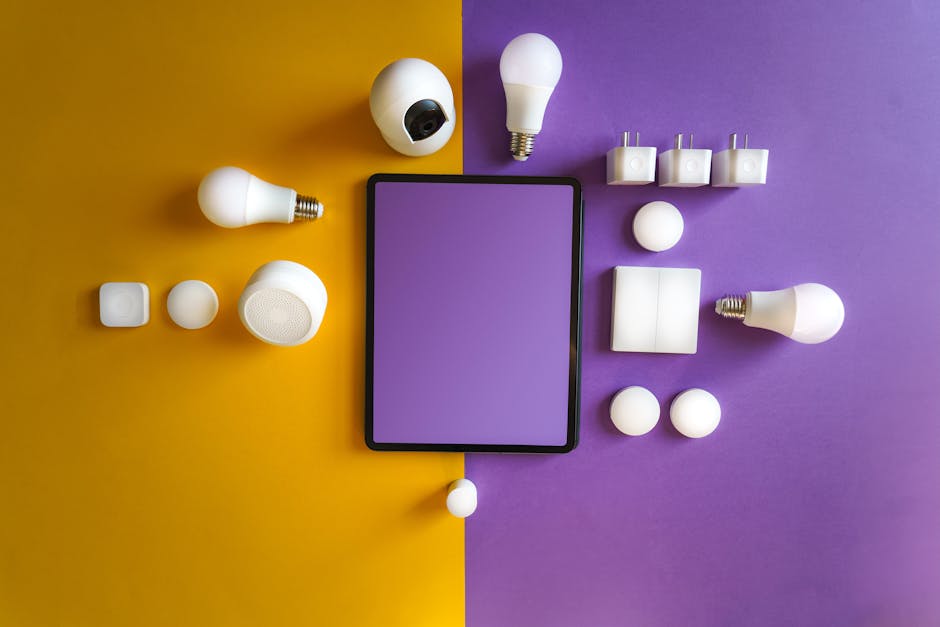 Image: Innovative smart home gadgets arranged in a modern flat lay.
Factors to consider when installing a wind turbine:
- Wind Resource: Assess the wind speed and direction at your location.
- Zoning Regulations: Check local zoning regulations for restrictions on turbine height and noise.
- Turbine Size: Choose a turbine size that matches your energy needs.
Geothermal Energy: Harnessing Earth's Internal Heat for Heating and Cooling
Geothermal energy uses the Earth's constant underground temperature to heat and cool homes. Geothermal heat pumps circulate fluid through underground pipes, transferring heat to or from the home. Geothermal systems can reduce heating and cooling costs by 30-60% compared to conventional HVAC systems.
Types of geothermal systems:
- Horizontal: Pipes are buried horizontally in shallow trenches.
- Vertical: Pipes are buried vertically in deep boreholes.
- Pond/Lake: Pipes are submerged in a nearby pond or lake.
Micro-Hydro Power: Generating Electricity from Flowing Water Sources
Micro-hydro power systems generate electricity from flowing water sources, such as streams or rivers. These systems are suitable for homes located near a reliable water source with sufficient flow and head (elevation drop). A small micro-hydro system can generate enough electricity to power an entire home.
Factors to consider when installing a micro-hydro system:
- Water Rights: Obtain the necessary water rights and permits.
- Environmental Impact: Minimize the impact on aquatic ecosystems.
- System Design: Choose a system that matches the flow and head of your water source.
Biomass Energy: Sustainable Heating Solutions from Organic Matter
Biomass energy uses organic matter, such as wood, agricultural waste, and energy crops, to generate heat. Biomass heating systems can be a sustainable alternative to fossil fuel-based heating systems.
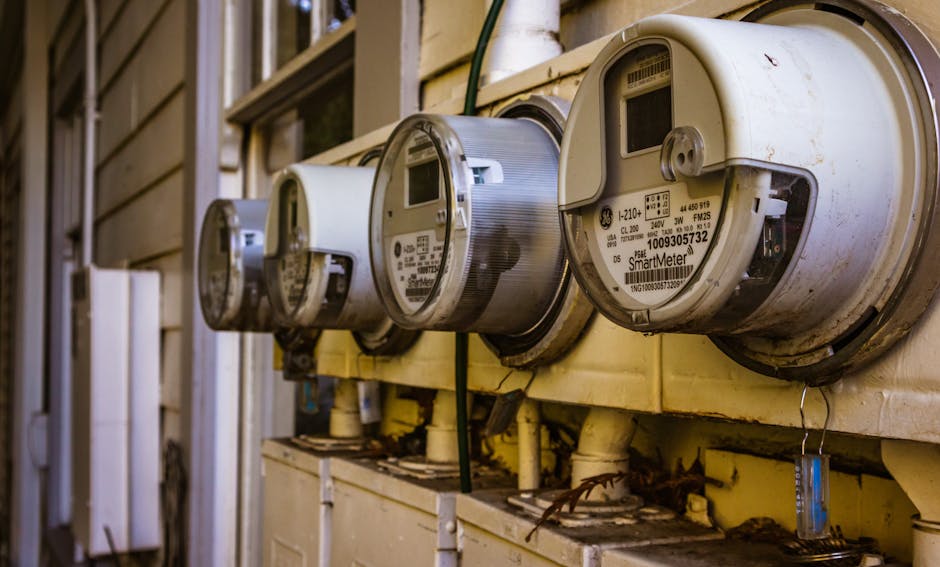 Image: Image of multiple smart electricity meters installed on a residential exterior wall, showing environmental adaptation.
Types of biomass heating systems:
- Wood Stoves: Burn wood logs for space heating.
- Pellet Stoves: Burn wood pellets for space heating.
- Biomass Boilers: Burn wood chips or pellets for central heating.
It's important to ensure that biomass is sourced sustainably to minimize environmental impact.
Smart Home Technologies: Optimizing Energy Usage Through Automation and Control
Smart home technologies can automate and optimize energy usage, further enhancing resilience and efficiency.
Smart Thermostats: Predictive Heating and Cooling Based on Occupancy and Weather
Smart thermostats learn your heating and cooling preferences and adjust the temperature automatically based on occupancy and weather conditions. Smart thermostats can reduce heating and cooling costs by 10-15%.
Key features of smart thermostats:
- Remote Control: Adjust the temperature from anywhere using a smartphone or tablet.
- Scheduling: Create custom heating and cooling schedules.
- Geofencing: Automatically adjust the temperature when you leave or approach home.
- Learning Algorithms: Learn your preferences and optimize energy usage over time.
Smart Lighting Systems: Energy-Efficient LED Lighting with Automated Controls
Smart lighting systems use energy-efficient LED lighting with automated controls, such as motion sensors and timers. LED lighting uses up to 75% less energy than incandescent lighting and lasts up to 25 times longer.
Benefits of smart lighting systems:
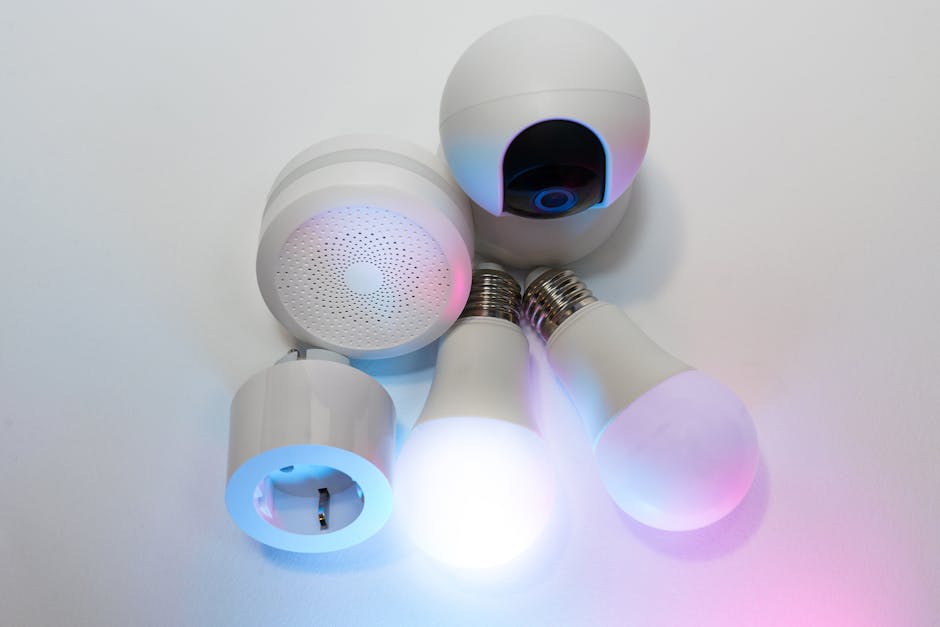 Image: A collection of smart home devices including light bulbs, a security camera, and a smart hub.
- Energy Savings: Reduce energy consumption by using LED lighting and automated controls.
- Convenience: Control lighting from anywhere using a smartphone or tablet.
- Security: Deter intruders by automatically turning on lights when motion is detected.
Smart Appliances: Energy Star Certification and Remote Monitoring Capabilities
Smart appliances are designed to be energy-efficient and can be controlled remotely. Look for appliances with the Energy Star certification, which indicates that they meet strict energy efficiency standards. Energy Star appliances use 10-50% less energy than standard appliances.
Features of smart appliances:
- Remote Monitoring: Monitor energy consumption and performance from anywhere.
- Smart Grids Integration: Automatically adjust energy usage based on grid conditions.
- Automated Controls: Optimize energy usage based on usage patterns.
Energy Management Systems (EMS): Centralized Control and Optimization of Home Energy Usage
Energy Management Systems (EMS) provide centralized control and optimization of home energy usage. EMS can monitor and control various energy-consuming devices, such as HVAC systems, lighting, and appliances. EMS can reduce energy consumption by 10-30%.
Key functions of EMS:
- Energy Monitoring: Track energy consumption in real-time.
- Demand Response: Automatically reduce energy usage during peak demand periods.
- Load Shedding: Prioritize essential loads during grid outages.
- Reporting and Analytics: Provide detailed reports on energy usage and savings.
Integrating Smart Home Devices with Renewable Energy Systems: A Seamless Ecosystem
Integrating smart home devices with renewable energy systems creates a seamless ecosystem that optimizes energy usage and maximizes self-sufficiency. For example, a smart thermostat can automatically adjust the temperature based on the amount of solar energy being generated.
Benefits of integration:
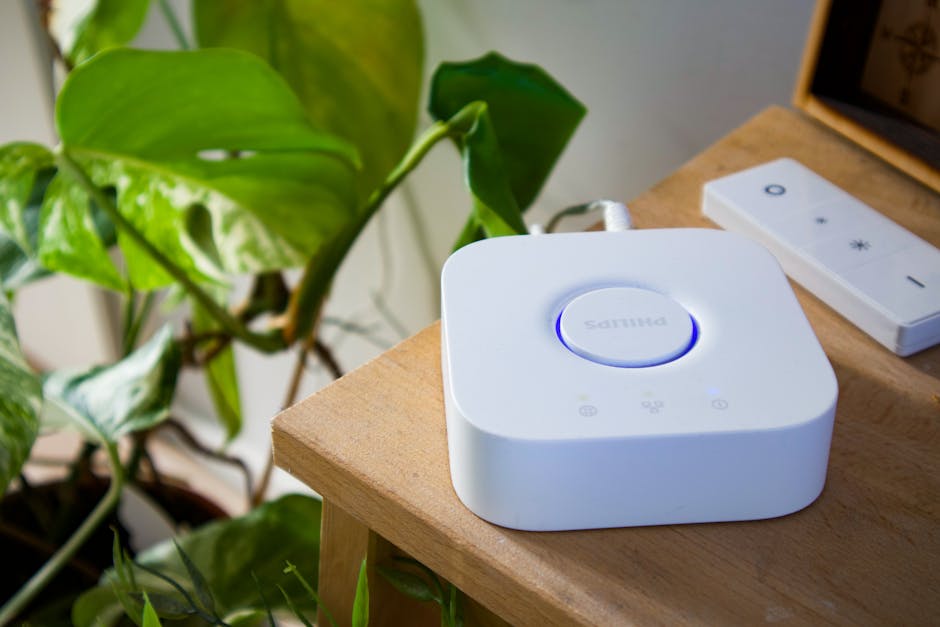 Image: Philips smart hub beside a leafy plant in a stylish indoor setting, showcasing modern home automation.
- Increased Energy Efficiency: Optimize energy usage based on renewable energy production.
- Enhanced Resilience: Prioritize essential loads during grid outages.
- Greater Control: Monitor and control your entire energy system from a single platform.
Energy-Efficient Building Design and Materials: Passive Strategies for Resilience
Energy-efficient building design and materials play a crucial role in creating resilient homes. Passive strategies, such as passive solar design and high-performance insulation, can significantly reduce energy consumption.
Passive Solar Design: Optimizing Building Orientation and Fenestration for Natural Heating and Cooling
Passive solar design utilizes the sun's energy for heating and cooling, reducing the need for mechanical systems. Key principles of passive solar design include:
- Orientation: Orient the building to maximize solar gain in winter and minimize solar gain in summer.
- Fenestration: Strategically place windows to capture sunlight in winter and provide natural ventilation in summer.
- Thermal Mass: Use materials with high thermal mass, such as concrete or brick, to store heat and regulate temperature.
- Overhangs and Shading: Use overhangs and shading devices to block sunlight in summer and allow sunlight in winter.
High-Performance Insulation: Minimizing Heat Loss and Gain Through Walls, Roofs, and Floors
High-performance insulation minimizes heat loss in winter and heat gain in summer, reducing the energy required for heating and cooling. Common insulation materials include:
- Fiberglass: Affordable and widely available.
- Cellulose: Made from recycled paper, environmentally friendly.
- Spray Foam: Excellent air sealing properties, but more expensive.
- Mineral Wool: Fire-resistant and sound-absorbent.
The recommended insulation levels vary depending on your climate zone. Consult local building codes for specific requirements.
Air Sealing: Preventing Air Leakage and Improving Energy Efficiency
Air sealing prevents air leakage, which can significantly reduce energy efficiency. Seal gaps and cracks around windows, doors, pipes, and electrical outlets. Air sealing can reduce energy consumption by 10-20%.
 Image: Sleek white robot vacuum cleaner on a wooden floor, perfect for smart home setups.
Methods for air sealing:
- Caulking: Seal gaps around windows and doors.
- Weatherstripping: Seal gaps between doors and frames.
- Expanding Foam: Fill large gaps and cracks.
Advanced Window Technologies: Low-E Coatings and Gas Fills for Superior Thermal Performance
Advanced window technologies, such as low-E coatings and gas fills, improve thermal performance and reduce energy loss. Low-E coatings reduce heat transfer through the glass, while gas fills (such as argon or krypton) provide additional insulation.
Benefits of advanced window technologies:
- Reduced Energy Consumption: Minimize heat loss in winter and heat gain in summer.
- Improved Comfort: Maintain a more consistent temperature throughout the home.
- Noise Reduction: Reduce noise transmission from outside.
Sustainable Building Materials: Eco-Friendly Options with Low Embodied Energy
Sustainable building materials are eco-friendly options with low embodied energy, meaning they require less energy to produce and transport. Examples of sustainable building materials include:
- Reclaimed Wood: Reduces deforestation and waste.
- Bamboo: Fast-growing and renewable.
- Recycled Content Materials: Reduces waste and energy consumption.
- Straw Bale: Excellent insulation properties and low embodied energy.
Water Conservation Strategies: Complementing Energy Resilience
Water conservation is an essential component of building a resilient home. Reducing water consumption not only saves money but also reduces the energy required to treat and distribute water.
Rainwater Harvesting: Collecting and Storing Rainwater for Non-Potable Uses
Rainwater harvesting collects and stores rainwater for non-potable uses, such as irrigation, toilet flushing, and laundry. Rainwater harvesting can reduce water consumption by up to 50%.
Components of a rainwater harvesting system:
- Collection Surface: Roof or other surface to collect rainwater.
- Gutters and Downspouts: Channel rainwater to the storage tank.
- Storage Tank: Store rainwater for later use.
- Filtration System: Remove debris and contaminants from the rainwater.
Greywater Recycling: Reusing Wastewater from Showers, Sinks, and Laundry
Greywater recycling reuses wastewater from showers, sinks, and laundry for non-potable uses, such as irrigation and toilet flushing. Greywater recycling can reduce water consumption by up to 40%.
Types of greywater systems: