
Beyond the Pitch: Powering Sydney FC and Adelaide United Stadiums with Sustainable Energy Solutions
Stadiums, iconic symbols of sport and community, are often significant energy consumers. This dependence on traditional power sources contributes to carbon emissions and operational expenses. However, a growing movement is transforming these venues into beacons of sustainability, with Sydney FC's Allianz Stadium and Adelaide United's Hindmarsh Stadium leading the charge in Australia.
Introduction: A New Era of Stadium Sustainability
The roar of the crowd, the thrill of the game – these are the sounds of a stadium. But behind the scenes, a less celebrated story unfolds: the story of immense energy consumption. Forward-thinking sports organizations are realizing that sustainability isn't just a buzzword, it's a business imperative.
The Growing Demand for Sustainable Stadiums
The pressure for sustainable stadiums is mounting from multiple angles. Fans are demanding eco-conscious practices, sponsors are seeking alignment with green initiatives, and governing bodies are implementing stricter environmental regulations. Ignoring these demands risks reputational damage and financial penalties.
- Increased fan expectations: Surveys indicate that over 60% of sports fans prefer to support teams with strong sustainability commitments.
- Sponsor alignment: Companies are prioritizing partnerships with organizations that demonstrate environmental responsibility.
- Regulatory compliance: Governments are increasingly enforcing energy efficiency standards and carbon emission targets.
Sydney FC and Adelaide United: Leading the Charge
Sydney FC and Adelaide United are two Australian clubs at the forefront of this sustainability revolution. Through innovative energy solutions, they're reducing their environmental impact and setting a powerful example for other sporting organizations across the country.
- Sydney FC: Allianz Stadium is integrating solar power and smart grid technologies.
- Adelaide United: Hindmarsh Stadium is exploring wind energy and hydrogen fuel cells.
- Shared Vision: Both clubs are committed to minimizing their carbon footprint and promoting sustainability within their communities.
Why Sustainable Energy Matters for Sports Clubs and Communities
Sustainable energy offers far-reaching benefits beyond just reducing carbon emissions. It strengthens community ties, fosters innovation, and provides long-term economic advantages.
- Reduced operational costs: Renewable energy sources can significantly lower energy bills.
- Enhanced brand reputation: Sustainability initiatives attract environmentally conscious fans and sponsors.
- Community engagement: Green programs promote environmental awareness and involvement.
Beyond the Pitch: Powering Sydney FC and Adelaide United Stadiums with Sustainable Energy
Sydney FC's Allianz Stadium and Adelaide United's Hindmarsh Stadium are embracing sustainable energy solutions to reduce their carbon footprint and operational costs. By integrating solar power, wind energy, and advanced energy management systems, these stadiums are leading the way toward a greener future for sports and entertainment.
The Energy Landscape of Sydney FC's Allianz Stadium
Allianz Stadium, home to Sydney FC, is a modern sporting venue with significant energy demands. Understanding its current energy profile is crucial for implementing effective sustainable solutions.
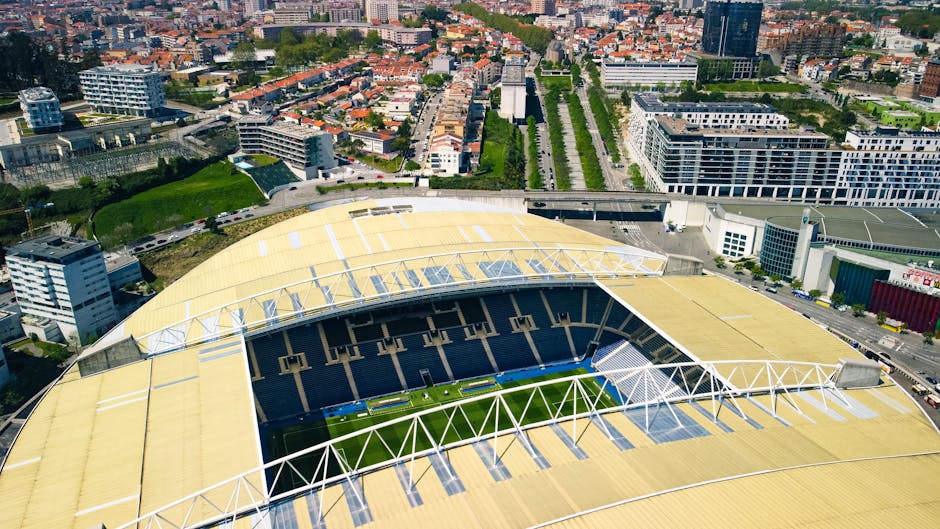 Image: Explore the stunning aerial view of Estádio do Dragão amidst Porto's urban landscape.
Current Energy Consumption Profile: A Detailed Analysis
Allianz Stadium's primary energy consumption stems from lighting, HVAC (heating, ventilation, and air conditioning), and operation of various electrical systems. A comprehensive energy audit revealed the following breakdown:
- Lighting: 40% of total energy consumption, primarily during evening matches and events.
- HVAC: 30% of energy consumption, significantly affected by seasonal weather conditions.
- Electrical Systems: 20% of energy consumption, including scoreboards, sound systems, and security equipment.
- Other: 10% of energy consumption, encompassing catering, concessions, and office operations.
Key Takeaway: Lighting and HVAC represent the largest opportunities for energy efficiency improvements.
Solar Power Integration: Panel Placement and Capacity
Solar power offers a clean and reliable energy source for Allianz Stadium. Strategic panel placement and optimal system capacity are essential for maximizing energy generation.
- Panel Placement: Rooftop installation across the stadium's main structure, optimizing for sunlight exposure. Additional panels integrated into parking canopies.
- Capacity: A 1.5 MW solar array capable of generating approximately 2,100 MWh of electricity annually.
- Panel Type: High-efficiency monocrystalline silicon panels with an average efficiency rating of 22%.
Data Point: The solar array is projected to offset approximately 25% of the stadium's annual energy consumption.
Battery Storage Solutions: Enhancing Energy Reliability
Battery storage is crucial for ensuring a consistent and reliable power supply, especially during peak demand periods and when solar energy production is limited.
- Battery Type: Lithium Iron Phosphate (LiFePO4) batteries, known for their safety and long lifespan.
- Capacity: A 500 kWh battery storage system capable of providing backup power for up to 4 hours during peak demand.
- Function: Storing excess solar energy generated during the day for use during evening matches and events.
Key Takeaway: Battery storage enhances energy independence and reduces reliance on the grid.
Smart Grid Technologies: Optimizing Energy Distribution
Smart grid technologies enable real-time monitoring and control of energy distribution within the stadium, optimizing energy use and reducing waste.
- Smart Meters: Track energy consumption at various points within the stadium, providing detailed data for analysis.
- Automated Controls: Adjust lighting and HVAC systems based on occupancy levels and real-time energy prices.
- Demand Response Programs: Participate in grid-level demand response programs, earning revenue by reducing energy consumption during peak demand periods.
Data Point: Smart grid technologies are projected to reduce energy consumption by an additional 10%.
 Image: Panoramic view of Camp Nou stadium in Barcelona, home of FC Barcelona football team, with 'Mes Que Un Club' slogan.
Case Study: Real-World Performance Data and ROI
A pilot program implementing solar power and battery storage at Allianz Stadium yielded impressive results.
- Energy Savings: 20% reduction in annual energy costs.
- Carbon Emission Reduction: 300 tons of CO2 emissions avoided annually.
- Return on Investment (ROI): Estimated payback period of 7 years.
Key Takeaway: The pilot program demonstrated the significant financial and environmental benefits of sustainable energy solutions.
Adelaide United's Hindmarsh Stadium: A Model for Green Energy
Hindmarsh Stadium, home to Adelaide United, presents a different set of opportunities and challenges for sustainable energy implementation. Its existing infrastructure and local climate necessitate a tailored approach.
Existing Energy Infrastructure and Challenges
Hindmarsh Stadium's older infrastructure presents unique challenges in terms of energy efficiency and integration of renewable energy sources.
- Outdated Lighting: Legacy lighting systems contribute to high energy consumption.
- Inefficient HVAC: Aging HVAC systems require significant energy for heating and cooling.
- Limited Rooftop Space: Constrained rooftop space limits the potential for large-scale solar installations.
Key Takeaway: Upgrading existing infrastructure is crucial for improving energy efficiency.
Wind Energy Potential: Feasibility Studies and Turbine Technology
South Australia's abundant wind resources make wind energy a viable option for Hindmarsh Stadium. Feasibility studies are crucial for determining the optimal turbine technology and placement.
- Feasibility Study: A comprehensive study assessed wind resources in the vicinity of the stadium and identified suitable locations for wind turbine installations.
- Turbine Technology: Vertical Axis Wind Turbines (VAWTs) are being considered due to their compact size and ability to operate in turbulent wind conditions.
- Placement: Integration of VAWTs into the stadium's perimeter fencing and parking areas.
Data Point: Wind energy could potentially supply up to 40% of the stadium's energy needs.
Hydrogen Fuel Cells: A Future-Proofing Strategy
Hydrogen fuel cells offer a clean and reliable energy source that can be used to power the stadium's operations, particularly during peak demand periods.
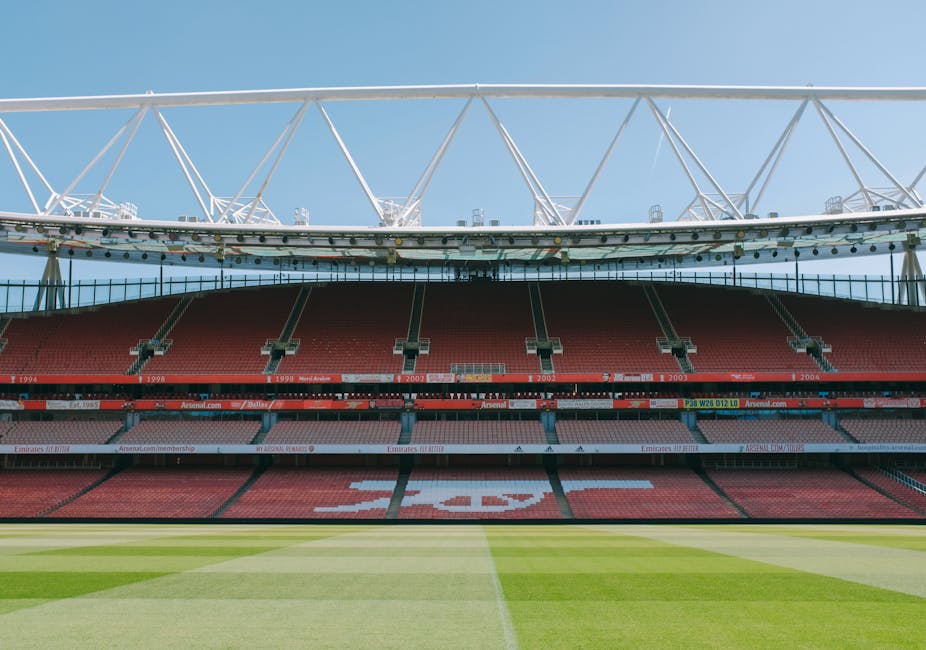 Image: View of empty stands at Emirates Stadium, London, home of Arsenal FC.
- Hydrogen Production: On-site hydrogen production using electrolysis powered by renewable energy sources.
- Fuel Cell Technology: Proton Exchange Membrane (PEM) fuel cells, known for their high efficiency and rapid start-up time.
- Applications: Powering lighting, HVAC, and electric vehicle charging stations.
Key Takeaway: Hydrogen fuel cells provide a sustainable and flexible energy storage solution.
Water Management and Conservation: Synergies with Energy Efficiency
Water and energy are inextricably linked. Implementing water management and conservation strategies can further enhance the stadium's overall sustainability.
- Rainwater Harvesting: Collecting rainwater for irrigation and toilet flushing.
- Greywater Recycling: Treating and reusing greywater from showers and sinks for non-potable applications.
- Water-Efficient Fixtures: Installing low-flow toilets, urinals, and showerheads.
Data Point: Water conservation measures are projected to reduce water consumption by 30%.
Expert Interview: Insights from the Project Engineers
"Integrating sustainable energy solutions into existing stadium infrastructure presents unique challenges, but the long-term benefits are undeniable," says Sarah Chen, Lead Engineer for the Hindmarsh Stadium project. "Our focus is on maximizing energy efficiency, leveraging local renewable energy resources, and engaging the community in our sustainability efforts."
Key Takeaway: Expert insights are essential for successful implementation of sustainable energy projects.
Technological Innovations Driving Stadium Sustainability
Advancements in renewable energy technologies are constantly improving the efficiency and cost-effectiveness of sustainable stadium solutions.
Advanced Solar Panel Technologies: Perovskite and Bifacial Panels
Next-generation solar panel technologies offer improved performance and versatility.
- Perovskite Solar Cells: Higher efficiency and lower manufacturing costs compared to traditional silicon panels.
- Bifacial Solar Panels: Generate electricity from both the front and back sides, increasing energy yield.
Key Takeaway: Advanced solar panel technologies can significantly boost energy production.
Next-Generation Battery Storage: Lithium-Ion Alternatives
 Image: View of the pitch and stands at Camp Nou Stadium, home of FC Barcelona, in Spain.
Exploring alternatives to lithium-ion batteries can enhance safety and sustainability.
- Solid-State Batteries: Improved safety, higher energy density, and longer lifespan.
- Flow Batteries: Scalable and cost-effective for large-scale energy storage applications.
Key Takeaway: Alternative battery technologies offer improved performance and sustainability.
Microgrids and Distributed Energy Resources (DERs)
Microgrids and DERs enable greater energy independence and resilience.
- Microgrids: Localized energy grids that can operate independently from the main grid.
- Distributed Energy Resources (DERs): Decentralized energy sources such as solar panels, wind turbines, and battery storage systems.
Key Takeaway: Microgrids and DERs enhance energy security and reduce reliance on centralized power plants.
Energy Management Systems (EMS): Real-Time Monitoring and Control
EMS provide real-time data and automated controls for optimizing energy use.
- Data Analytics: Analyzing energy consumption patterns to identify areas for improvement.
- Automated Controls: Adjusting lighting, HVAC, and other systems based on real-time conditions.
Key Takeaway: EMS enable proactive energy management and reduce waste.
The Role of AI and Machine Learning in Optimizing Energy Use
AI and machine learning can further optimize energy use by predicting demand and automating control systems.
- Demand Forecasting: Predicting energy demand based on historical data and weather patterns.
- Automated Optimization: Automatically adjusting energy consumption based on real-time conditions and predicted demand.
Key Takeaway: AI and machine learning can significantly improve energy efficiency.
Financial and Economic Benefits of Sustainable Stadiums
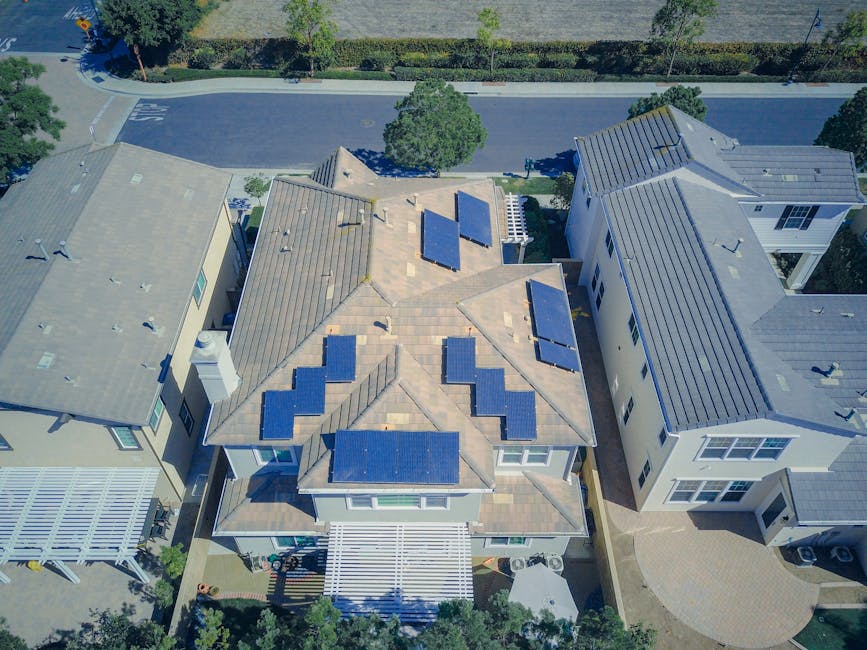 Image: Aerial view of suburban homes equipped with solar panels in a sunny neighborhood.
Investing in sustainable energy offers significant financial and economic benefits for stadium owners and operators.
Reducing Operational Costs: Long-Term Savings Analysis
Renewable energy sources can significantly reduce long-term operational costs by lowering energy bills.
- Solar Power: Reduces reliance on grid electricity, lowering energy costs.
- Wind Energy: Provides a clean and cost-effective energy source.
- Energy Efficiency Measures: Reduce energy consumption and lower utility bills.
Data Point: Sustainable energy investments can reduce annual energy costs by up to 40%.
Government Incentives and Funding Opportunities
Various government incentives and funding opportunities are available to support sustainable energy projects.
- Renewable Energy Certificates (RECs): Tradable certificates representing the environmental benefits of renewable energy generation.
- Large-Scale Generation Certificates (LGCs): Financial incentives for large-scale renewable energy projects in Australia.
- CEC Accreditation: Accreditation from the Clean Energy Council (CEC) can unlock further funding opportunities.
Key Takeaway: Government incentives can significantly reduce the upfront costs of sustainable energy projects.
Attracting Sponsors and Fans: Enhancing Brand Reputation
Sustainability initiatives can attract environmentally conscious sponsors and fans, enhancing the stadium's brand reputation.
- Sponsor Alignment: Companies are increasingly seeking partnerships with organizations that demonstrate environmental responsibility.
- Fan Engagement: Green programs can attract and engage environmentally conscious fans.
Key Takeaway: Sustainability initiatives can improve brand image and attract new revenue streams.
Creating Green Jobs and Boosting the Local Economy
Sustainable energy projects create green jobs and stimulate the local economy.
- Installation and Maintenance: Renewable energy projects require skilled workers for installation and maintenance.
- Manufacturing and Supply Chain: Local manufacturing and supply chains can benefit from the demand for renewable energy equipment.
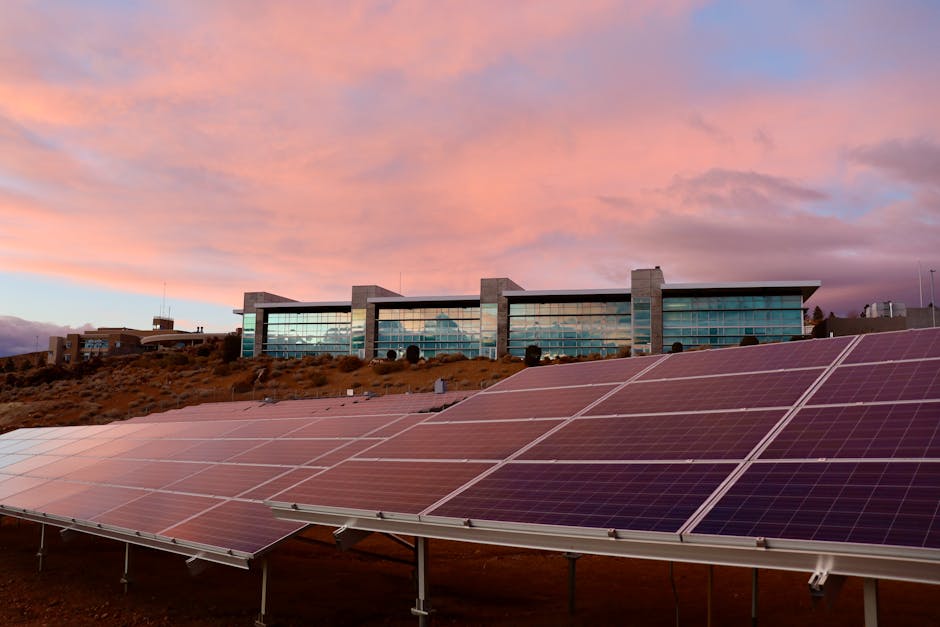 Image: Solar panels in front of a modern building at sunset showcasing renewable energy technology.
Key Takeaway: Sustainable energy investments can create jobs and boost the local economy.
Life Cycle Assessment (LCA): Evaluating Environmental Impact
LCA is a comprehensive method for evaluating the environmental impact of a product or service throughout its entire life cycle.
- Material Extraction: Assessing the environmental impact of extracting raw materials.
- Manufacturing: Evaluating the energy consumption and emissions associated with manufacturing processes.
- Transportation: Measuring the environmental impact of transporting materials and equipment.
- Operation: Assessing the energy consumption and emissions associated with the operation of the stadium.
- End-of-Life: Evaluating the environmental impact of disposal or recycling.
Key Takeaway: LCA provides a holistic assessment of the environmental impact of sustainable energy projects.
Challenges and Opportunities in Implementing Sustainable Energy
Implementing sustainable energy solutions in stadiums presents various challenges and opportunities.
Initial Investment Costs and Financing Models
High upfront costs can be a barrier to implementing sustainable energy projects.
- Power Purchase Agreements (PPAs): Long-term contracts with renewable energy providers that allow stadiums to purchase electricity at a fixed price.
- Leasing Agreements: Leasing renewable energy equipment can reduce upfront costs.
- Green Bonds: Issuing green bonds to raise capital for sustainable energy projects.
Key Takeaway: Innovative financing models can reduce the financial burden of sustainable energy investments.
Regulatory Hurdles and Permitting Processes
Navigating regulatory hurdles and obtaining necessary permits can be a complex and time-consuming process.
- Streamlined Permitting: Governments can streamline permitting processes to encourage sustainable energy development.
- Clear Regulations: Clear and consistent regulations can provide certainty for investors.
Key Takeaway: Efficient regulatory frameworks are essential for promoting sustainable energy adoption.
Public Perception and Stakeholder Engagement
 Image: View of Camp Nou stadium in Barcelona, showcasing the iconic stands and field.
Engaging the public and stakeholders is crucial for building support for sustainable energy projects.
- Community Outreach: Educating the public about the benefits of sustainable energy.
- Stakeholder Consultation: Consulting with local communities and businesses to address concerns and build consensus.
Key Takeaway: Effective communication and engagement can foster support for sustainable energy initiatives.
Scaling Up Sustainable Energy Solutions for Larger Stadiums
Scaling up sustainable energy solutions for larger stadiums requires careful planning and innovative approaches.
- Hybrid Systems: Combining multiple renewable energy sources to meet diverse energy needs.
- Energy Storage: Implementing large-scale energy storage systems to ensure reliability.
Key Takeaway: Scalable and adaptable solutions are essential for powering larger stadiums sustainably.
Overcoming Technical Challenges and Ensuring Reliability
Ensuring the reliability and performance of sustainable energy systems requires ongoing monitoring and maintenance.
- Remote Monitoring: Using sensors and data analytics to monitor system performance in real-time.
- Preventative Maintenance: Implementing regular maintenance schedules to prevent equipment failures.
Key Takeaway: Proactive monitoring and maintenance are crucial for ensuring the long-term reliability of sustainable energy systems.
Future Trends in Sustainable Stadium Design and Operation
The future of stadium design and operation will be shaped by emerging trends in sustainable energy and smart technologies.
Net-Zero Energy Stadiums: Achieving Carbon Neutrality
Net-zero energy stadiums aim to generate as much energy as they consume, achieving carbon neutrality.
- Energy Efficiency: Maximizing energy efficiency through building design and operational practices.
- Renewable Energy Generation: Generating electricity on-site using renewable energy sources.
- Carbon Offsets: Purchasing carbon offsets to compensate for any remaining emissions.
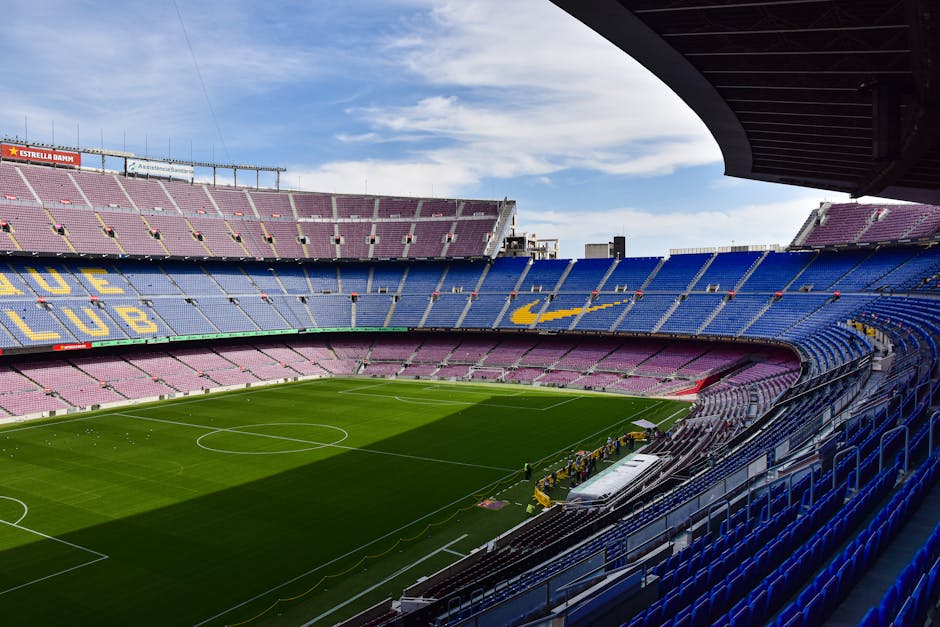 Image: Wide view of the iconic Camp Nou stadium in Barcelona, showcasing its vast empty stands and lush green field.
Key Takeaway: Net-zero energy stadiums represent the pinnacle of sustainable stadium design.
Smart Stadiums: Integrating IoT and Data Analytics
Smart stadiums leverage IoT and data analytics to optimize energy use and enhance the fan experience.
- Smart Lighting: Adjusting lighting levels based on occupancy and daylight availability.
- Smart HVAC: Optimizing HVAC systems based on real-time weather conditions and occupancy levels.
- Data-Driven Insights: Using data analytics to identify opportunities for energy savings.
Key Takeaway: Smart technologies enable proactive energy management and improve operational efficiency.
Community Engagement: Promoting Sustainable Practices Beyond the Stadium
Stadiums can play a role in promoting sustainable practices beyond their walls.
- Educational Programs: Offering educational programs to promote environmental awareness.
- Community Partnerships: Collaborating with local organizations to promote sustainability initiatives.
Key Takeaway: Stadiums can serve as hubs for promoting sustainability within their communities.
The Role of Renewable Energy Certificates (RECs)
RECs provide a mechanism for tracking and verifying the environmental benefits of renewable energy generation.
- Tracking Renewable Energy: RECs track the generation and use of renewable energy.
- Supporting Renewable Energy Projects: Purchasing RECs supports the development of new renewable energy projects.
Key Takeaway: RECs provide a transparent and verifiable way to support renewable energy.
Global Best Practices: Learning from International Examples
Learning from international examples can accelerate the adoption of sustainable stadium practices.
- Johan Cruijff Arena (Amsterdam): Implemented a large-scale battery storage system powered by solar panels.
- Levi's Stadium (California): Achieved LEED Gold certification through sustainable design and operational practices.
Key Takeaway: Learning from global best practices can accelerate the adoption of sustainable stadium solutions.
FAQ: Your Questions Answered About Sustainable Stadiums
Here are answers to some frequently asked questions about sustainable stadiums.
What are the main sources of energy consumption in a stadium?
The main sources of energy consumption in a stadium are lighting, HVAC (heating, ventilation, and air conditioning), and the operation of various electrical systems such as scoreboards