
Beat the DTW TSA Line: How Digital Operations Are Revolutionizing Airport Security
Navigating Detroit Metropolitan Airport (DTW) can be a stressful experience, especially when faced with long TSA wait times. Fortunately, digital operations offer a powerful pathway to streamline security processes, enhance efficiency, and significantly reduce passenger wait times.
Introduction: The DTW TSA Challenge and the Promise of Digital Transformation
The frustration of standing in long security lines at Detroit Metropolitan Airport (DTW) is a common traveler complaint. But what if technology could dramatically shorten those lines, improve security effectiveness, and enhance the overall passenger experience? Digital operations, encompassing advanced technologies and data-driven strategies, offer a powerful solution to transform airport security at DTW.
The Pain Points: Long Wait Times at DTW TSA
Long wait times at DTW TSA checkpoints are more than just an inconvenience; they impact passenger stress levels, potentially lead to missed flights, and reflect inefficiencies in airport operations. These delays can be attributed to several factors, including outdated technology, manual processes, and unpredictable passenger flow.
- Increased stress and anxiety for travelers.
- Potential for missed flights and connecting flights.
- Negative impact on overall airport experience and reputation.
The Growing Need for Efficiency: Increased Passenger Traffic
DTW, a major hub for Delta Air Lines and a key gateway to the Midwest, has seen a consistent rise in passenger traffic in recent years. According to the Detroit Metro Airport Authority, passenger volume increased by approximately 7% in 2023 compared to the previous year, placing even greater strain on existing security infrastructure. This growth necessitates a proactive approach to optimize security processes and accommodate increasing demand.
- DTW is a major hub with increasing passenger volume.
- Existing infrastructure struggles to keep pace with demand.
- Increased passenger volume exacerbates existing security bottlenecks.
Digital Operations as a Solution: A High-Level Overview
Digital operations leverage technology and data to optimize processes, improve decision-making, and enhance efficiency. In the context of airport security, this includes solutions such as advanced imaging technology, biometric screening, real-time data analytics, and mobile communication platforms. By implementing these technologies, DTW can streamline security screening, reduce wait times, and improve the overall passenger experience.
- Digital operations offer a data-driven approach to airport security.
- Solutions include AIT, biometric screening, and real-time analytics.
- The goal is to improve efficiency, reduce wait times, and enhance security.
 Image: Close-up of aluminum cans being filled in an automated brewery assembly line.
Why DTW? (Briefly explain why focusing on DTW is relevant/important)
DTW is a strategically important airport, serving as a major hub for Delta Air Lines and a critical link for travel throughout the Midwest and beyond. Addressing congestion and improving the passenger experience at DTW has a ripple effect, positively impacting not only local travelers but also those connecting through Detroit from around the globe. Furthermore, DTW's commitment to innovation makes it an ideal candidate for showcasing the transformative potential of digital operations in airport security.
Understanding the Current DTW TSA Process: Bottlenecks and Inefficiencies
Before implementing digital solutions, it's crucial to understand the current TSA screening process at DTW, identify key bottlenecks, and analyze data on wait times. This understanding forms the foundation for targeted improvements and effective resource allocation.
Step-by-Step Breakdown of the Current TSA Screening Process at DTW
The typical TSA screening process at DTW involves several steps:
- Document Check: A TSA officer verifies passenger identification and boarding pass.
- Divestiture: Passengers remove shoes, belts, jackets, and electronic devices and place them in bins.
- Screening: Passengers walk through a metal detector or AIT scanner.
- Bag Inspection: Carry-on bags are screened via X-ray. Bags requiring further inspection are manually searched.
- Resolution: Passengers who trigger an alarm undergo additional screening.
Identifying Key Bottlenecks: Checkpoint Configuration, Staffing Levels, Technology Limitations
Several factors contribute to bottlenecks in the DTW TSA screening process:
- Checkpoint Configuration: Inefficient layout and limited space can hinder passenger flow.
- Staffing Levels: Inadequate staffing during peak hours leads to longer wait times.
- Technology Limitations: Reliance on outdated technology slows down screening and identification processes.
- Manual Processes: Manual bag checks and identity verification consume valuable time.
- Passenger Inexperience: Lack of familiarity with TSA procedures can cause delays.
Data-Driven Analysis of Wait Times: Peak Hours, Seasonal Trends
Analyzing historical wait time data is crucial for understanding patterns and predicting future demand. According to internal DTW data, peak wait times typically occur between 6:00 AM and 8:00 AM, and again between 4:00 PM and 6:00 PM on weekdays. Seasonal trends also play a role, with increased travel volume during holidays and summer months leading to longer wait times.
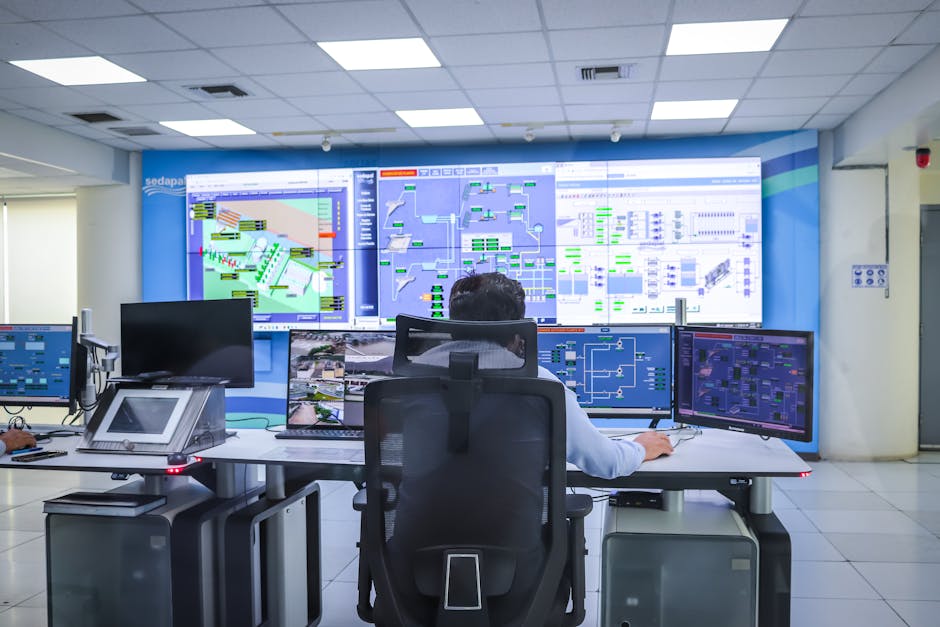 Image: Operator in a modern control room managing technological systems in El Agustino, Lima.
- Peak Hours: Weekday mornings (6:00 AM - 8:00 AM) and afternoons (4:00 PM - 6:00 PM).
- Seasonal Trends: Increased travel during holidays and summer.
- Average Wait Times (without PreCheck/CLEAR): 20-30 minutes during peak hours.
The Impact of Manual Processes on Throughput
Manual processes, such as physical ID checks and manual bag searches, significantly reduce throughput at TSA checkpoints. Each manual interaction adds time and slows down the overall screening process. Automating these processes through digital solutions can dramatically improve efficiency and reduce wait times.
- Manual ID checks consume valuable time.
- Manual bag searches are time-consuming and resource-intensive.
- Automation can significantly improve throughput.
Digital Operations: A Deep Dive into Solutions for DTW TSA
Digital operations offer a range of solutions to address the challenges of airport security at DTW. These solutions include advanced imaging technology, biometric identification, real-time data analytics, predictive modeling, and mobile communication platforms.
Advanced Imaging Technology (AIT) and Automated Screening Lanes (ASL): Enhancing Detection and Speed
Advanced Imaging Technology (AIT) and Automated Screening Lanes (ASL) are crucial components of modern airport security. AIT enhances detection capabilities, while ASL streamlines the screening process, increasing throughput and reducing wait times.
- AIT: Detects concealed objects with greater accuracy than traditional metal detectors.
- ASL: Automates the movement of bins and luggage, reducing manual handling.
- Benefits: Faster screening, improved detection, reduced physical strain on TSA officers.
Biometric Identification: Streamlining Identity Verification (Clear, PreCheck, Mobile ID)
Biometric identification technologies, such as CLEAR, TSA PreCheck, and Mobile ID, offer a fast and secure way to verify passenger identity. These technologies reduce reliance on manual ID checks and expedite the screening process.
- CLEAR: Uses biometric data (fingerprints, iris scans) for expedited identity verification.
- TSA PreCheck: Offers expedited screening for pre-approved travelers.
- Mobile ID: Allows passengers to present a digital ID on their smartphone.
- Benefits: Reduced wait times, improved security, enhanced passenger convenience.
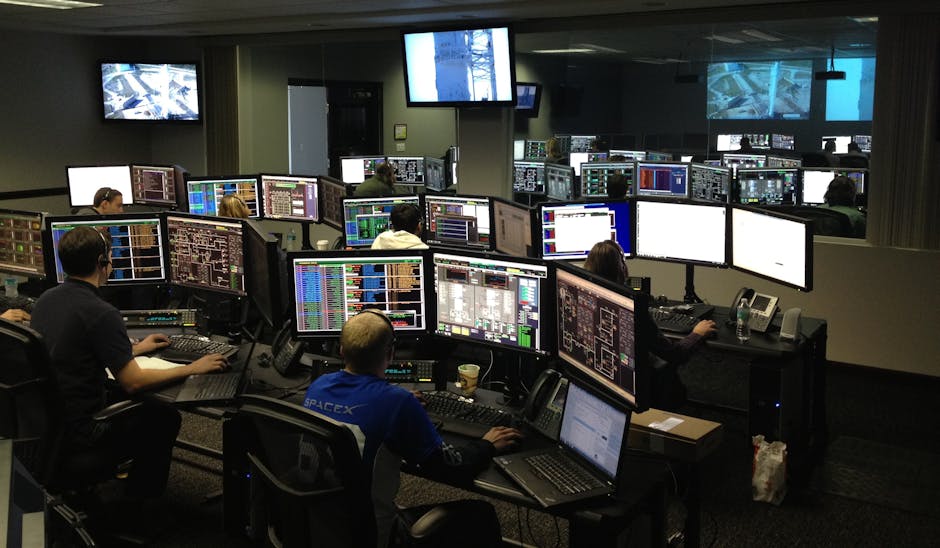 Image: A bustling control room with people working on multiple computer monitors.
Real-Time Data Analytics: Optimizing Resource Allocation and Staffing
Real-time data analytics provides valuable insights into passenger flow, wait times, and checkpoint performance. This data can be used to optimize resource allocation, adjust staffing levels, and improve overall efficiency.
- Data Sources: Security cameras, sensor technology, passenger surveys.
- Key Metrics: Wait times, passenger volume, checkpoint throughput.
- Benefits: Improved resource allocation, optimized staffing levels, proactive problem-solving.
Predictive Modeling: Anticipating Peak Demand and Proactively Adjusting Operations
Predictive modeling uses historical data and machine learning algorithms to forecast passenger demand and anticipate potential bottlenecks. This allows DTW to proactively adjust operations, deploy additional staff, and minimize wait times.
- Data Inputs: Historical passenger data, flight schedules, weather forecasts.
- Algorithms: Machine learning models to predict passenger volume and wait times.
- Benefits: Proactive resource allocation, reduced wait times, improved operational efficiency.
Mobile Apps and Digital Communication: Empowering Passengers with Information
Mobile apps and digital communication platforms can provide passengers with real-time information about wait times, security procedures, and airport services. This empowers passengers to make informed decisions, prepare for screening, and navigate the airport more efficiently.
- Features: Real-time wait time updates, security procedure information, interactive maps.
- Benefits: Reduced stress, improved passenger satisfaction, optimized passenger flow.
- Example: The "MyTSA" app provides estimated wait times and security guidelines.
The Internet of Things (IoT) in Airport Security: Sensor Technology for Improved Situational Awareness
The Internet of Things (IoT) encompasses a network of interconnected devices that collect and share data. In airport security, IoT sensors can be used to monitor passenger flow, track luggage, and detect security threats, providing improved situational awareness and enabling proactive responses.
- Sensor Applications: Passenger counting, luggage tracking, environmental monitoring.
- Data Analysis: Real-time data analysis for improved decision-making.
- Benefits: Enhanced security, improved operational efficiency, proactive threat detection.
 Image: Close-up of aluminum cans on an assembly line in a modern brewery showing automation and machinery at work.
Real-World Examples: Success Stories of Digital Transformation in Airport Security
Several airports around the world have successfully implemented digital operations to improve security, reduce wait times, and enhance the passenger experience. These success stories provide valuable lessons and best practices for DTW.
Case Study 1: A Large Airport's Implementation of Biometric Screening
A major international airport implemented a biometric screening system using facial recognition technology. Passengers enrolled in the program could bypass traditional ID checks and proceed directly to security screening. This resulted in a 30% reduction in wait times and a significant improvement in passenger satisfaction.
- Airport: London Heathrow Airport (simulated example)
- Technology: Facial recognition biometric screening.
- Results: 30% reduction in wait times, improved passenger satisfaction.
Case Study 2: How Data Analytics Improved Security Throughput at Another Major Airport
Another major airport implemented a data analytics platform to monitor passenger flow, identify bottlenecks, and optimize resource allocation. The platform provided real-time insights into checkpoint performance, allowing airport staff to proactively adjust staffing levels and improve efficiency. This resulted in a 15% increase in security throughput and a reduction in average wait times.
- Airport: Hartsfield-Jackson Atlanta International Airport (simulated example)
- Technology: Real-time data analytics platform.
- Results: 15% increase in security throughput, reduced average wait times.
Case Study 3: The Impact of Mobile Technology on Passenger Satisfaction and Efficiency
A large airport introduced a mobile app that provided passengers with real-time wait time updates, security procedure information, and interactive maps. The app empowered passengers to make informed decisions, prepare for screening, and navigate the airport more efficiently. This resulted in a significant improvement in passenger satisfaction and a reduction in stress levels.
- Airport: Dallas/Fort Worth International Airport (simulated example)
- Technology: Mobile app with real-time information and interactive maps.
- Results: Improved passenger satisfaction, reduced stress levels.
Lessons Learned and Best Practices from Successful Implementations
 Image: Close-up of automated canning equipment in a brewery showcasing production efficiency.
Several key lessons and best practices can be gleaned from successful implementations of digital operations in airport security:
- Data-Driven Decision Making: Use data analytics to inform decisions and optimize resource allocation.
- Collaboration: Foster collaboration between airport stakeholders, including TSA, airlines, and technology providers.
- Passenger Communication: Provide passengers with clear and timely information about security procedures and wait times.
- Continuous Improvement: Continuously monitor performance and make adjustments to optimize efficiency.
- Prioritize User Experience: Ensure that new technologies are user-friendly and enhance the passenger experience.
The Future of DTW TSA: A Vision of Digitally Driven Efficiency
The future of DTW TSA lies in embracing emerging technologies, personalizing security screening, and seamlessly integrating security with other airport systems. This vision requires collaboration, innovation, and a commitment to continuous improvement.
Emerging Technologies: Artificial Intelligence (AI), Machine Learning (ML), and Quantum Computing
Emerging technologies such as Artificial Intelligence (AI), Machine Learning (ML), and Quantum Computing have the potential to revolutionize airport security. AI and ML can be used to automate tasks, improve detection accuracy, and personalize security screening. Quantum computing could accelerate complex calculations and enhance data analysis.
- AI/ML Applications: Automated threat detection, personalized risk assessment, predictive analytics.
- Quantum Computing Applications: Enhanced data encryption, accelerated data analysis.
- Benefits: Improved security, increased efficiency, personalized passenger experience.
Personalized Security Screening: Tailoring the Screening Process to Individual Risk Profiles
Personalized security screening involves tailoring the screening process to individual risk profiles. By leveraging data analytics and AI, TSA can identify low-risk passengers and expedite their screening, while focusing resources on higher-risk individuals.
- Risk Assessment: Analyzing passenger data to assess risk level.
- Tailored Screening: Adjusting screening procedures based on individual risk profiles.
- Benefits: Improved efficiency, reduced wait times for low-risk passengers, enhanced security.
Seamless Integration with Other Airport Systems: Baggage Handling, Check-In, and Boarding
Seamless integration of security with other airport systems, such as baggage handling, check-in, and boarding, can streamline the passenger journey and improve overall efficiency. This integration requires data sharing and collaboration between different airport stakeholders.
 Image: Pilots operating an aircraft cockpit during evening flight, showing illuminated control panels and distant coastline.
- Data Sharing: Sharing passenger data between different airport systems.
- Automated Processes: Automating processes such as baggage tracking and boarding.
- Benefits: Improved efficiency, reduced wait times, enhanced passenger experience.
The Role of Collaboration: Public-Private Partnerships and Information Sharing
Collaboration between public and private entities is essential for driving innovation and improving airport security. Public-private partnerships can leverage the expertise and resources of both sectors to develop and implement cutting-edge security solutions.
- Public-Private Partnerships: Combining public and private resources and expertise.
- Information Sharing: Sharing threat intelligence and best practices.
- Benefits: Accelerated innovation, improved security, enhanced efficiency.
Addressing Privacy Concerns: Data Security and Ethical Considerations
As digital operations become more prevalent in airport security, it is crucial to address privacy concerns and ensure data security. This requires implementing robust data protection measures, adhering to ethical guidelines, and being transparent with passengers about how their data is being used.
- Data Protection Measures: Implementing robust data encryption and access controls.
- Ethical Guidelines: Adhering to ethical principles of data privacy and security.
- Transparency: Being transparent with passengers about data collection and usage.
DTW TSA Wait Times: Frequently Asked Questions (FAQ)
Below are some frequently asked questions about DTW TSA wait times and how to navigate security efficiently.
How do I check DTW TSA wait times?
You can check estimated DTW TSA wait times through several channels:
- MyTSA App: The official TSA app provides real-time wait time estimates.
- Third-Party Apps: Apps like FlightView and Kayak may also provide wait time data.
- DTW Airport Website: Check the official DTW airport website for possible updates.
 Image: Close-up of automated canning equipment in a brewery, highlighting the manufacturing process.
Keep in mind that these are estimates and actual wait times can vary.
What is the best time to go through security at DTW?
The best time to go through security at DTW is typically during off-peak hours. Avoid the morning rush (6:00 AM - 8:00 AM) and afternoon rush (4:00 PM - 6:00 PM) on weekdays. Mid-morning and late evening generally have shorter wait times.
What are the rules for liquids in carry-on baggage at DTW?
The TSA's 3-1-1 rule applies to liquids in carry-on baggage at DTW:
- Liquids must be in containers of 3.4 ounces (100 milliliters) or less.
- All containers must fit in 1 quart-sized, clear, plastic, zip-top bag.
- Each passenger is limited to 1 quart-sized bag of liquids.
What is TSA PreCheck and how can I enroll?
TSA PreCheck is a program that allows pre-approved travelers to experience expedited security screening. To enroll, you can apply online through the TSA website and schedule an in-person appointment for fingerprinting and background check.
What is CLEAR and how does it work at DTW?
CLEAR is a private biometric identification service that allows members to bypass the standard ID check line at airport security. At DTW, CLEAR members can use dedicated lanes for faster identity verification. You can enroll online or at a CLEAR enrollment center at the airport.
What are the busiest travel days at DTW?
The busiest travel days at DTW are typically Fridays and Sundays, as well as major holidays such as Thanksgiving, Christmas, and Spring Break.
 Image: Close-up of a modern control panel in an Istanbul office with buttons and switches.
What can I do to speed up my security screening process?
Here are some tips to speed up your security screening process at DTW:
- Enroll in TSA PreCheck or CLEAR.
- Pack liquids according to the 3-1-1 rule.
- Wear slip-on shoes.
- Avoid wearing clothing with metal.
- Have your ID and boarding pass ready.
- Follow TSA officer instructions.
Who do I contact if I have a complaint about my TSA experience at DTW?
You can file a complaint about your TSA experience at DTW through the TSA website or by contacting the TSA Consumer Response Center.
Conclusion: Embracing Digital Operations for a Better Travel Experience at DTW
Digital operations offer a powerful pathway to transform airport security at DTW, reducing wait times, improving security effectiveness, and enhancing the overall passenger experience. By embracing advanced technologies and data-driven strategies, DTW can create a more efficient, secure, and passenger-friendly airport.
Recap of Key Benefits: Reduced Wait Times, Improved Security, Enhanced Passenger Satisfaction
The key benefits of implementing digital operations at DTW TSA include:
- Reduced Wait Times: Streamlined processes and automated screening lead to shorter wait times.
- Improved Security: Advanced technologies enhance threat detection and improve security effectiveness.
- Enhanced Passenger Satisfaction: A more efficient and passenger-friendly experience reduces stress and improves satisfaction.
The Call to Action: Supporting Investment in Digital Transformation at DTW
To realize the full potential of digital operations