
Ali Mohammad Naini's Sustainable Smart Home Vision: A Deep Dive into the Future
The dream of a connected, efficient home is rapidly becoming reality. But the environmental cost of traditional housing and unchecked technology consumption threatens to outweigh the benefits. Ali Mohammad Naini envisions a future where smart homes are not just convenient, but fundamentally sustainable, minimizing their impact on the planet while maximizing comfort and well-being.
Introduction: Beyond the Buzzword - Understanding the Need for Sustainable Smart Homes
Ali Mohammad Naini's vision for a sustainable smart home future revolves around integrating cutting-edge technology with eco-conscious practices. It includes prioritizing energy efficiency, renewable energy sources, water conservation, and waste reduction. Naini's vision aims to create homes that are not only comfortable and convenient but also environmentally responsible and economically viable.
The Evolution of Smart Homes: From Convenience to Necessity
Early smart homes focused primarily on convenience: automated lighting, remote-controlled appliances, and entertainment systems. These initial iterations often overlooked energy consumption and environmental impact. Now, with growing awareness of climate change, smart home technology is evolving from a luxury to a necessity for responsible resource management.
- Phase 1 (Early 2000s): Basic automation (lighting, security).
- Phase 2 (2010s): Increased connectivity (IoT devices, mobile control).
- Phase 3 (Present): Focus on sustainability (energy efficiency, renewable integration).
The Environmental Impact of Traditional Housing: A Stark Reality
Traditional housing contributes significantly to global carbon emissions and resource depletion. Inefficient heating and cooling systems, excessive water usage, and construction waste are major concerns. According to the U.S. Energy Information Administration, residential buildings account for approximately 20% of the nation's energy consumption. Traditional homes often lack the monitoring and control systems necessary to optimize resource use.
Introducing Ali Mohammad Naini: A Pioneer in Sustainable Technology
Ali Mohammad Naini is a leading figure in the field of sustainable technology, advocating for the integration of eco-friendly practices into smart home design and functionality. He's known for his innovative approach to energy efficiency, renewable energy integration, and resource management within the residential sector. Naini's work emphasizes a holistic approach, considering the entire lifecycle of a home, from construction to operation and eventual decommissioning.
Setting the Stage: Naini's Holistic Approach to Smart Home Sustainability
Naini's vision extends beyond simply adding smart devices. He advocates for a holistic approach that considers every aspect of a home's environmental footprint. This includes:
 Image: Artistic display of Scrabble tiles spelling the word 'For' on a dark background.
- Design: Optimizing building orientation for natural light and ventilation.
- Materials: Utilizing sustainable and locally sourced materials.
- Technology: Implementing smart systems for energy, water, and waste management.
- Behavior: Encouraging residents to adopt sustainable lifestyles.
Naini's Core Principles: Building Blocks of a Sustainable Smart Home Ecosystem
Naini's vision for sustainable smart homes is built on several core principles, each contributing to a reduced environmental impact and enhanced resource efficiency. These principles guide the design, construction, and operation of smart homes, ensuring they align with sustainability goals.
Energy Efficiency as a Cornerstone: Optimizing Consumption and Minimizing Waste
Energy efficiency is paramount in Naini's approach. He advocates for the use of smart thermostats, efficient appliances, and advanced insulation to reduce energy consumption. Smart lighting systems, occupancy sensors, and automated shades further optimize energy use.
- Smart Thermostats: Learn user behavior and adjust temperature settings accordingly, potentially saving up to 15% on heating and cooling costs.
- Energy-Efficient Appliances: Using Energy Star-certified appliances can reduce energy consumption by up to 50% compared to standard models.
- Advanced Insulation: High-performance insulation materials minimize heat loss in winter and heat gain in summer.
Renewable Energy Integration: Solar Power, Wind Energy, and Beyond
Integrating renewable energy sources is crucial for reducing reliance on fossil fuels. Solar photovoltaic (PV) panels are a common choice, but Naini also explores the potential of small-scale wind turbines and geothermal energy. Smart inverters and energy storage systems optimize the use of renewable energy.
Renewable Energy Options:
| Source | Advantages | Disadvantages | |--------------|---------------------------------------------------------------------------------|-----------------------------------------------------------------------------| | Solar PV | Abundant sunlight, decreasing costs, readily available technology. | Intermittent generation, requires significant surface area, weather dependent. | | Wind Turbines| High energy output in windy areas, relatively low operating costs. | Noise pollution, visual impact, location-dependent. | | Geothermal | Consistent energy source, low emissions, small footprint. | High initial costs, limited geographical availability. |
Water Conservation Strategies: Smart Irrigation and Water Management Systems
Water scarcity is a growing concern, making water conservation a critical aspect of sustainable smart homes. Naini promotes the use of smart irrigation systems that adjust water usage based on weather conditions and soil moisture levels. Low-flow fixtures, rainwater harvesting, and greywater recycling further reduce water consumption. Studies show that smart irrigation can reduce water usage by up to 30%.
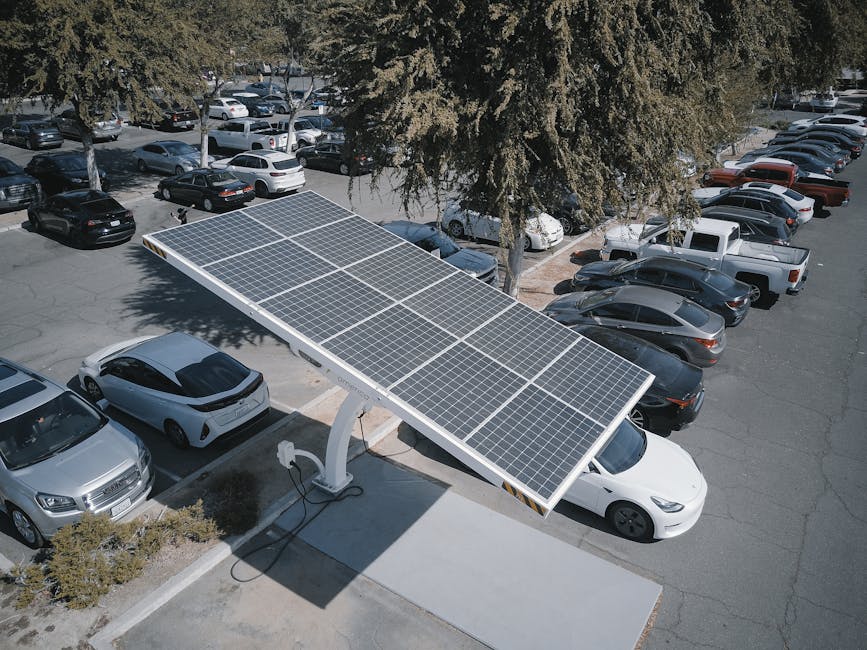 Image: Electric cars charging at a solar-powered station in a parking lot.
Waste Reduction and Recycling: Implementing Closed-Loop Systems
Naini's vision includes strategies for minimizing waste and maximizing recycling efforts. Smart waste bins can identify recyclable materials and provide feedback to residents. Composting systems can convert organic waste into valuable fertilizer. Construction waste can be minimized by using modular building techniques and recycled materials.
- Smart Waste Bins: Identify recyclable materials using sensors and AI.
- Composting Systems: Convert food scraps and yard waste into nutrient-rich compost.
- Modular Building: Reduces construction waste by up to 90% compared to traditional methods.
Smart Materials and Construction: Choosing Eco-Friendly Building Practices
The materials used in construction significantly impact the environment. Naini advocates for the use of sustainable materials such as bamboo, recycled steel, and reclaimed wood. Eco-friendly construction practices, such as minimizing site disturbance and reducing transportation emissions, are also essential.
Sustainable Building Materials:
| Material | Advantages | Disadvantages | |-----------------|--------------------------------------------------------------------------|----------------------------------------------------------------------------| | Bamboo | Rapidly renewable, high strength, lightweight. | Susceptible to insect damage if not treated properly. | | Recycled Steel | Reduces energy consumption and landfill waste, durable. | Can be more expensive than virgin steel. | | Reclaimed Wood | Reduces deforestation, adds character and history to buildings. | Availability can be limited, may require more processing. |
Key Technologies Driving Naini's Vision: Innovation in Action
Naini's vision is powered by a range of advanced technologies that enable efficient resource management and personalized control. These technologies work together to create a smart, sustainable, and responsive living environment.
Advanced Sensors and IoT Devices: Data-Driven Decision Making
A network of sensors and IoT devices collects data on energy consumption, water usage, temperature, humidity, and other environmental factors. This data is then used to optimize system performance and provide residents with insights into their resource usage. According to a McKinsey report, IoT technologies can reduce energy consumption in buildings by up to 25%.
AI-Powered Automation: Predictive Analytics and Personalized Control
 Image: Detailed close-up of a newspaper showing typography and lettering design.
Artificial intelligence (AI) algorithms analyze data from sensors and IoT devices to predict energy consumption patterns, identify potential problems, and optimize system performance. AI can also personalize comfort settings based on individual preferences and occupancy patterns. For example, AI can learn when residents typically use certain appliances and adjust energy consumption accordingly.
Smart Grids and Energy Storage: Balancing Supply and Demand
Smart grids enable the seamless integration of renewable energy sources and energy storage systems. They allow homes to both consume and contribute energy to the grid, creating a more resilient and sustainable energy ecosystem. Energy storage systems, such as batteries, can store excess renewable energy for later use, reducing reliance on the grid during peak demand.
Blockchain for Transparency and Traceability: Ensuring Ethical Sourcing
Blockchain technology can be used to track the origin and environmental impact of building materials, ensuring ethical sourcing and transparency. This can help consumers make informed decisions about the products they purchase and support sustainable supply chains. Blockchain can also be used to verify the authenticity of renewable energy certificates.
The Role of 5G and Edge Computing: Enabling Real-Time Responsiveness
5G connectivity and edge computing enable faster data processing and real-time responsiveness. This is crucial for applications such as smart grids, autonomous vehicles, and advanced security systems. Edge computing allows data to be processed locally, reducing latency and improving privacy.
Real-World Examples: Case Studies of Sustainable Smart Homes Inspired by Naini
While Naini's vision is forward-thinking, its principles are already being implemented in real-world projects around the globe. These case studies demonstrate the feasibility and benefits of sustainable smart homes.
Case Study 1: A Net-Zero Energy Home in California
This home utilizes solar PV panels, a smart thermostat, and energy-efficient appliances to achieve net-zero energy consumption. The home also features a rainwater harvesting system and drought-tolerant landscaping to minimize water usage. Real-time energy monitoring provides residents with detailed insights into their energy consumption patterns. The home achieved a HERS (Home Energy Rating System) score of zero, indicating that it generates as much energy as it consumes.
Case Study 2: A Water-Efficient Smart Home in the Australian Outback
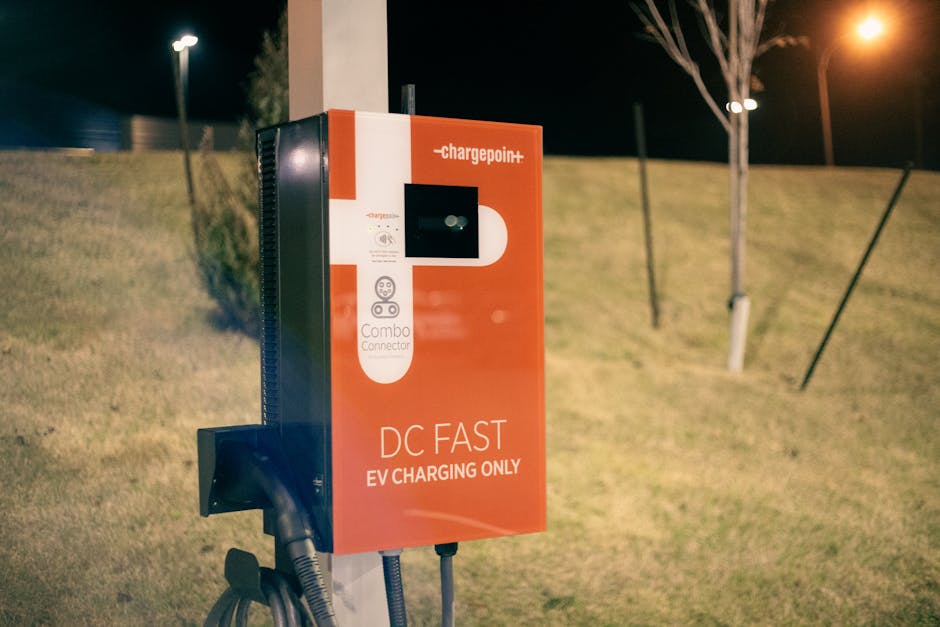 Image: EV charging station at night with a blurred background, offering eco-friendly transportation solutions.
Faced with severe water scarcity, this home incorporates a comprehensive water management system. The system includes a smart irrigation system, low-flow fixtures, and a greywater recycling system. Sensors monitor soil moisture levels and adjust irrigation schedules accordingly. The home has reduced its water consumption by over 50% compared to traditional homes in the area.
Case Study 3: A Sustainable Urban Apartment Building in Amsterdam
This apartment building features a green roof, solar PV panels, and a smart building management system. The building management system optimizes energy consumption based on occupancy patterns and weather conditions. Residents have access to a shared electric vehicle fleet and bicycle storage facilities. The building has achieved a BREEAM (Building Research Establishment Environmental Assessment Method) rating of "Excellent."
Lessons Learned: Key Takeaways from Successful Implementations
These case studies highlight several key takeaways:
- Holistic Design: A comprehensive approach that considers all aspects of a home's environmental impact is essential.
- Technology Integration: Smart technologies can significantly improve resource efficiency.
- Data-Driven Decision Making: Real-time data provides valuable insights for optimizing system performance.
- Resident Engagement: Educating and engaging residents is crucial for achieving sustainability goals.
Scalability and Affordability: Making Sustainable Smart Homes Accessible to All
One of the biggest challenges is making sustainable smart homes accessible to all income levels. Innovative financing models, government incentives, and standardization of technologies can help reduce costs and promote wider adoption. Modular construction and prefabrication can also significantly reduce construction costs.
The Challenges and Opportunities: Navigating the Path to a Sustainable Future
While Naini's vision is compelling, several challenges must be addressed to achieve widespread adoption of sustainable smart homes. Overcoming these challenges will unlock significant opportunities for innovation and growth.
Technological Hurdles: Overcoming Interoperability and Security Concerns
Interoperability between different smart home devices and platforms is a major challenge. Standardizing communication protocols and data formats is crucial for creating a seamless user experience. Security concerns related to data privacy and cyber threats must also be addressed. Implementing robust security measures and ensuring data encryption are essential for protecting residents' privacy.
 Image: Scrabble tiles forming text 'open for' on a blue background with copy space.
Economic Barriers: Reducing Costs and Incentivizing Adoption
The initial costs of implementing sustainable smart home technologies can be a barrier for many homeowners. Government incentives, tax credits, and financing options can help reduce these costs. Mass production and standardization of technologies will also drive down prices over time.
Incentives and Financing Options:
- Tax Credits: Government tax credits for installing solar panels, energy-efficient appliances, and other sustainable technologies.
- Rebates: Utility company rebates for purchasing energy-efficient appliances and smart thermostats.
- Green Mortgages: Mortgages that offer favorable terms for energy-efficient homes.
- Property Assessed Clean Energy (PACE) Financing: Allows homeowners to finance energy-efficient upgrades through their property taxes.
Policy and Regulatory Frameworks: Creating a Supportive Environment
Supportive policies and regulatory frameworks are essential for promoting the adoption of sustainable smart homes. Building codes can be updated to require energy efficiency standards and the integration of renewable energy sources. Governments can also provide incentives for developers to build sustainable homes and offer educational programs to raise awareness among consumers.
Social Acceptance and Behavioral Change: Educating Consumers and Promoting Sustainability
Consumer education is crucial for promoting the adoption of sustainable smart homes. Many people are unaware of the benefits of these technologies or how to use them effectively. Educational programs, workshops, and online resources can help raise awareness and encourage behavioral changes. Highlighting the cost savings, environmental benefits, and health benefits of sustainable smart homes can also motivate consumers to adopt these technologies.
The Future of Sustainable Smart Homes: Emerging Trends and Innovations
The future of sustainable smart homes is bright, with several emerging trends and innovations on the horizon. These include:
- Smart Building Materials: Self-healing concrete, energy-generating windows, and other advanced materials.
- Personalized Energy Management: AI-powered systems that optimize energy consumption based on individual needs and preferences.
- Decentralized Energy Grids: Microgrids and community-based energy systems that promote energy independence.
- Biophilic Design: Integrating natural elements into building design to improve indoor air quality and promote well-being.
Expert Insights: Interviews and Perspectives on Naini's Impact
 Image: Flat lay of smartphone and smart home devices on a white backdrop, showcasing modern technology.
To further explore Naini's vision, we interviewed experts in the fields of smart home architecture, renewable energy, and sustainability consulting. Their insights provide valuable perspectives on the challenges and opportunities of creating sustainable smart homes.
Interview with a Leading Smart Home Architect
"Ali Mohammad Naini's emphasis on holistic design is crucial. It's not just about adding gadgets; it's about creating a symbiotic relationship between technology and the environment. We need to move beyond simply automating existing systems and instead design homes from the ground up with sustainability in mind. The integration of passive design strategies, such as optimizing building orientation and natural ventilation, is essential for reducing energy consumption." - Sarah Chen, Principal Architect, EcoArch Design.
Interview with a Renewable Energy Expert
"Naini's focus on renewable energy integration is vital for decarbonizing the residential sector. Solar PV is becoming increasingly affordable and accessible, but we also need to explore other options, such as wind energy and geothermal. The key is to create a diversified energy portfolio that can meet the energy needs of homes while minimizing reliance on fossil fuels. Energy storage is also critical for ensuring the reliability of renewable energy sources." - David Lee, CEO, GreenTech Energy Solutions.
Interview with a Sustainability Consultant
"Naini's vision extends beyond technology to encompass behavioral change. We need to educate consumers about the benefits of sustainable living and empower them to make informed choices. Smart home technologies can provide valuable data and insights, but it's up to residents to act on that information. Incentivizing sustainable behaviors, such as reducing water consumption and recycling, is essential for achieving long-term sustainability." - Maria Rodriguez, Senior Consultant, Sustainable Strategies Group.
Analyzing the Expert Opinions: Common Themes and Divergent Views
The experts highlighted several common themes:
- Holistic Design: A comprehensive approach that considers all aspects of a home's environmental impact is essential.
- Technology Integration: Smart technologies can significantly improve resource efficiency.
- Behavioral Change: Educating and engaging residents is crucial for achieving sustainability goals.
However, there were also some divergent views. For example, some experts emphasized the importance of government regulations and incentives, while others focused on the role of market forces and consumer demand.
FAQ: Addressing Common Questions and Concerns About Sustainable Smart Homes
 Image: Alphabet tiles scattered on blue surface spelling the word 'FOR' with ample copy space for text.
Many homeowners have questions and concerns about sustainable smart homes. This FAQ addresses some of the most common issues.
What are the initial costs of implementing a sustainable smart home?
The initial costs can vary widely depending on the scope of the project. Retrofitting an existing home can range from $5,000 to $50,000 or more, while building a new sustainable smart home can add 10-20% to the overall construction cost. However, these costs can be offset by long-term energy and water savings.
How much energy can a smart home realistically save?
Smart homes can realistically save 20-50% on energy consumption compared to traditional homes, depending on the technologies implemented and the residents' behavior.
Are sustainable smart homes secure from cyber threats?
Security is a major concern. Implementing robust security measures, such as strong passwords, data encryption, and regular software updates, is essential for protecting against cyber threats.
What are the best renewable energy options for residential use?
Solar PV is the most common option, but wind energy and geothermal can also be viable depending on the location.
How can I retrofit my existing home to be more sustainable?
Start with simple upgrades such as installing a smart thermostat, replacing incandescent light bulbs with LEDs, and adding insulation.
What government incentives are available for sustainable home upgrades?
 Image: Hand holding smartphone displaying recycling symbol, promoting eco-friendly technology.
Many governments offer tax credits, rebates, and financing options for sustainable home upgrades. Check with your local and national government agencies for details.
What is the lifespan of smart home technologies?
The lifespan of smart home technologies varies depending on the product. Most devices have a lifespan of 5-10 years.
How does AI contribute to sustainable smart homes?
AI analyzes data from sensors and IoT devices to optimize energy consumption, predict maintenance needs, and personalize comfort settings.
Are sustainable smart homes affordable for low-income families?
While the initial costs can be a barrier, government programs and financing options can help make sustainable smart homes more affordable for low-income families.
What are the future trends in sustainable smart home technology?
Emerging trends include smart building materials, personalized energy management, decentralized energy grids, and biophilic design.
Conclusion: Embracing Naini's Vision for a Brighter Tomorrow
Ali Mohammad Naini's vision for a sustainable smart home future offers a compelling path towards a more environmentally responsible and resource-efficient way of living. By integrating cutting-edge technologies with eco-conscious practices, we can create homes that are not only comfortable and convenient but also contribute to a healthier planet.
Reiterating the Importance of Sustainable Smart Homes
Sustainable smart homes are essential for reducing our environmental impact, conserving resources, and creating a more sustainable future for generations to come.
Highlighting Naini's Lasting Legacy
Ali Mohammad Naini's lasting legacy will be his unwavering commitment to sustainable technology and his