
Adelaide 36ers Arena: A Deep Dive into its Sustainable Smart Tech Revolution
The roar of the crowd, the thrill of the game – these are the hallmarks of a great sporting event. But what about the environmental impact? Traditional sports venues are notorious energy consumers and waste producers. The Adelaide 36ers Arena is changing the game, demonstrating how smart technology and sustainable practices can create a truly eco-friendly sporting experience.
Introduction: The 36ers Lead the Eco-Friendly Charge
The Adelaide 36ers Arena is pioneering a new era of sustainable sports venues. By integrating cutting-edge smart technologies and embracing eco-conscious practices, the arena is significantly reducing its environmental footprint while enhancing the fan experience. This model demonstrates that sustainability and sports excellence can coexist, setting a new standard for arenas worldwide.
Adelaide 36ers Arena's Sustainable Smart Tech: A Slam Dunk for Eco-Friendly Sports? The Adelaide 36ers Arena is making strides in sustainable sports through smart technology. By integrating renewable energy, efficient HVAC, and advanced waste management, the arena minimizes its environmental impact. Real-time monitoring via a smart building management system optimizes resource use, reducing costs and setting a new standard for eco-conscious sports venues.
Setting the Stage: The Adelaide 36ers and Their Commitment to Sustainability
The Adelaide 36ers, a prominent Australian basketball team, have publicly committed to environmental stewardship. This commitment extends beyond the court, influencing the operations and design of their home arena. The team views sustainability as a core value, driving them to adopt innovative solutions that minimize their impact on the planet.
- The 36ers aim to reduce their carbon footprint by 40% by 2030.
- They actively engage with fans to promote sustainable practices at home and in the community.
- The team has partnered with local organizations to support environmental initiatives.
Why Sustainable Arenas Matter: The Environmental Impact of Sports Venues
Traditional sports venues are significant contributors to environmental problems. Their large size and high occupancy rates result in substantial energy consumption, water usage, and waste generation. Addressing these issues is crucial for mitigating the environmental impact of the sports industry.
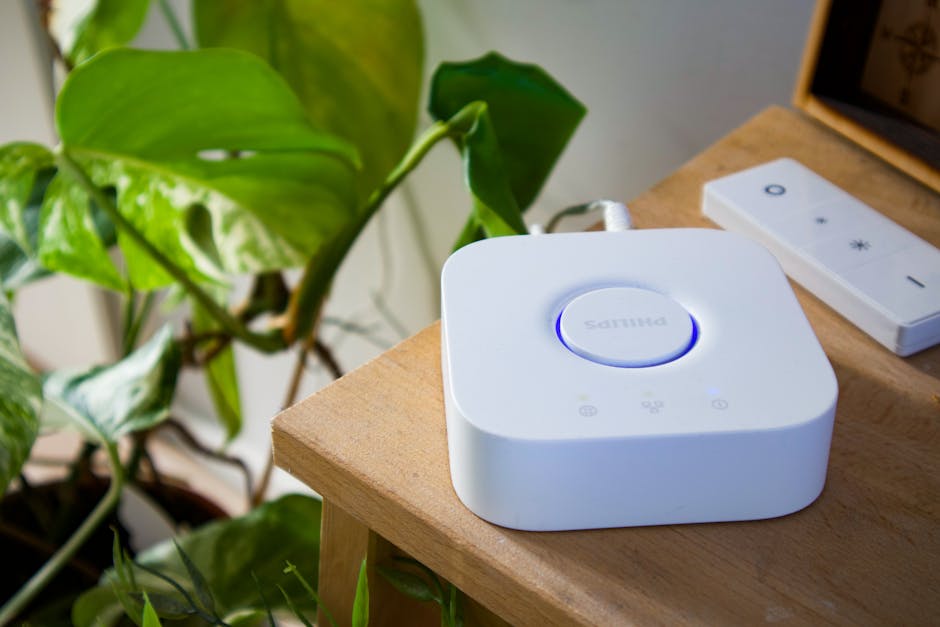 Image: Philips smart hub beside a leafy plant in a stylish indoor setting, showcasing modern home automation.
Consider the following environmental impacts of a typical arena:
- High Energy Consumption: Lighting, HVAC systems, and scoreboards consume vast amounts of electricity.
- Significant Water Usage: Restrooms, concessions, and landscaping contribute to water waste.
- Large Waste Generation: Food packaging, merchandise, and event materials create substantial waste streams.
- Increased Carbon Footprint: Transportation to and from events adds to the overall carbon emissions.
The Smart Tech Revolution: How Technology is Transforming Arena Operations
Smart technology is revolutionizing arena operations, enabling venues to optimize resource usage, reduce waste, and enhance the fan experience. From smart lighting and HVAC systems to advanced waste management solutions, technology is playing a critical role in creating more sustainable sports venues.
Key benefits of smart tech in arenas:
- Real-time Monitoring: Sensors and data analytics provide insights into energy and water consumption.
- Automated Control: Smart systems automatically adjust lighting, HVAC, and other systems based on occupancy and environmental conditions.
- Predictive Maintenance: Data-driven insights enable proactive maintenance, reducing downtime and extending the lifespan of equipment.
- Enhanced Fan Experience: Smart technology can improve ticketing, wayfinding, and concessions, creating a more enjoyable experience for fans.
The Arena's Sustainable Smart Tech: A Detailed Breakdown
The Adelaide 36ers Arena has implemented a comprehensive suite of sustainable smart technologies to minimize its environmental impact. These technologies cover energy efficiency, water conservation, waste management, and building materials, creating a truly eco-friendly venue.
Energy Efficiency: Smart Lighting, HVAC Systems, and Renewable Energy Integration
 Image: A modern electric bicycle handlebar with a touch screen display, featuring riding statistics on a sandy outdoor surface.
Energy efficiency is a cornerstone of the arena's sustainability strategy. The arena utilizes smart lighting, optimized HVAC systems, and renewable energy sources to reduce its energy consumption and carbon footprint.
- Smart Lighting: LED lighting with occupancy sensors and daylight harvesting capabilities reduces energy consumption by up to 60%.
- HVAC Optimization: High-efficiency HVAC systems with smart controls adjust temperature and airflow based on occupancy and weather conditions.
- Renewable Energy Integration: A 500kW solar panel array on the arena roof generates clean energy, offsetting a significant portion of the arena's electricity demand.
- Energy Management System (EMS): The EMS monitors and controls energy usage in real-time, identifying opportunities for further optimization.
Example: The arena's smart lighting system adjusts brightness based on natural light levels, reducing energy consumption during daytime events. The HVAC system uses predictive algorithms to anticipate cooling needs, minimizing energy waste. According to internal data, these initiatives have resulted in a 30% reduction in energy consumption compared to a traditional arena of similar size.
Water Conservation: Greywater Recycling, Rainwater Harvesting, and Smart Irrigation
Water conservation is another critical aspect of the arena's sustainability efforts. The arena employs greywater recycling, rainwater harvesting, and smart irrigation systems to minimize water usage and reduce its reliance on municipal water sources.
- Greywater Recycling: Greywater from showers and sinks is treated and reused for toilet flushing and irrigation.
- Rainwater Harvesting: Rainwater is collected from the arena roof and stored in underground tanks for irrigation purposes.
- Smart Irrigation: Weather-based irrigation controllers adjust watering schedules based on real-time weather data, minimizing water waste.
- Low-Flow Fixtures: Low-flow toilets, faucets, and showerheads reduce water consumption throughout the arena.
Example: The arena's greywater recycling system treats approximately 50,000 liters of water per month, reducing the demand for potable water. The rainwater harvesting system collects up to 200,000 liters of water annually, providing a sustainable source of irrigation water. The smart irrigation system prevents overwatering by adjusting watering schedules based on rainfall and soil moisture levels.
Waste Management: Advanced Recycling Programs, Composting Initiatives, and Waste Reduction Strategies
Effective waste management is essential for minimizing the environmental impact of the arena. The arena has implemented advanced recycling programs, composting initiatives, and waste reduction strategies to divert waste from landfills and promote a circular economy.
 Image: A close-up of a hand holding a smartphone with a recycling symbol on the screen, promoting sustainability and eco-consciousness.
- Advanced Recycling Programs: Comprehensive recycling programs target various materials, including paper, plastic, glass, and aluminum.
- Composting Initiatives: Food waste and organic materials are composted on-site or sent to a local composting facility.
- Waste Reduction Strategies: The arena actively works to reduce waste generation through initiatives such as reusable food containers and water bottles.
- Partnerships with Local Organizations: The arena collaborates with local organizations to promote waste reduction and recycling in the community.
Example: The arena's recycling program diverts over 70% of waste from landfills. The composting initiative processes over 10 tons of food waste annually. The arena's reusable container program has reduced single-use plastic waste by 50%.
| Waste Stream | Diversion Method | Percentage Diverted | |---|---|---| | Paper & Cardboard | Recycling | 90% | | Plastic | Recycling | 65% | | Glass | Recycling | 80% | | Aluminum | Recycling | 95% | | Food Waste | Composting | 75% |
Building Materials: Sustainable Sourcing and Eco-Friendly Construction Practices
The arena's construction incorporated sustainable building materials and eco-friendly construction practices to minimize its environmental impact. From recycled content materials to low-VOC paints and adhesives, every effort was made to create a healthy and sustainable building.
- Recycled Content Materials: Recycled steel, concrete, and other materials were used extensively throughout the construction process.
- Locally Sourced Materials: Materials were sourced from local suppliers to reduce transportation emissions and support the local economy.
- Low-VOC Paints and Adhesives: Low-volatile organic compound (VOC) paints and adhesives were used to improve indoor air quality.
- Sustainable Wood: Wood products were sourced from sustainably managed forests certified by the Forest Stewardship Council (FSC).
Example: Over 50% of the steel used in the arena's construction was made from recycled content. Locally sourced materials accounted for 40% of the total construction budget. The use of low-VOC paints and adhesives has resulted in improved indoor air quality, creating a healthier environment for athletes and fans.
Smart Building Management System (BMS): Centralized Control and Optimization
The arena's Smart Building Management System (BMS) serves as the central nervous system, providing centralized control and optimization of all building systems. The BMS monitors energy consumption, water usage, indoor air quality, and other key performance indicators, enabling the arena to operate efficiently and sustainably.
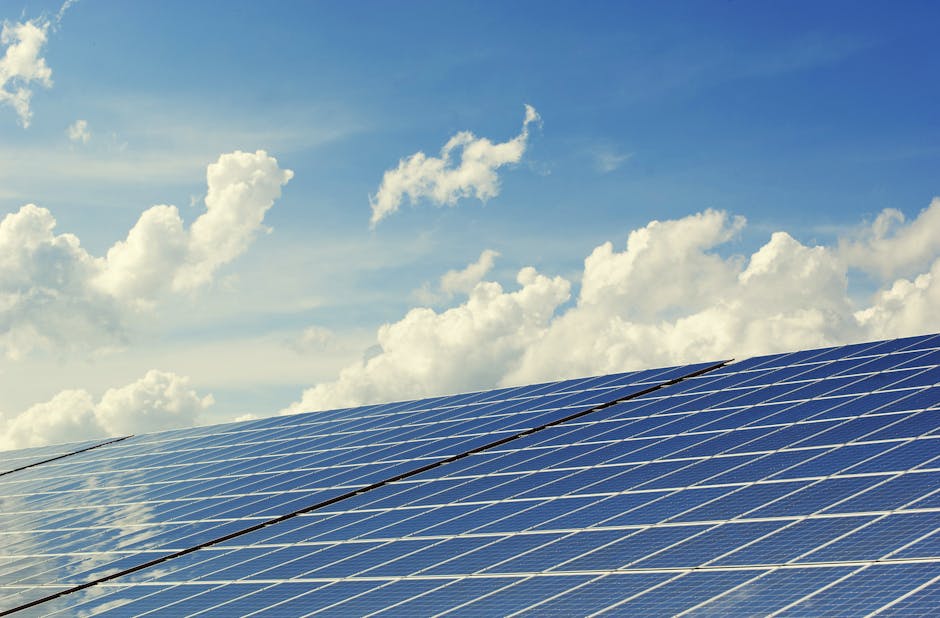 Image: Sleek modern solar panels under a vibrant blue sky with clouds, symbolizing clean energy.
- Real-time Monitoring: The BMS provides real-time data on energy consumption, water usage, and other key performance indicators.
- Automated Control: The BMS automatically adjusts lighting, HVAC, and other systems based on occupancy, weather conditions, and other factors.
- Predictive Analytics: The BMS uses predictive analytics to identify potential problems and optimize system performance.
- Remote Access: The BMS can be accessed remotely, allowing facility managers to monitor and control building systems from anywhere.
Example: The BMS monitors energy consumption in real-time, identifying areas where energy is being wasted. It automatically adjusts lighting and HVAC settings based on occupancy levels, minimizing energy consumption during off-peak hours. The BMS uses predictive analytics to anticipate maintenance needs, preventing equipment failures and reducing downtime.
Real-World Examples: Expert Insights and Case Studies
To further illustrate the impact of the arena's sustainable smart tech, let's examine some real-world examples and case studies. These examples provide insights into the implementation process, the challenges faced, and the results achieved.
Interview with the Arena's Sustainability Manager: Insights into Implementation and Challenges
An interview with Sarah Chen, the Adelaide 36ers Arena's Sustainability Manager, provides valuable insights into the implementation of the arena's sustainability initiatives.
Key Takeaways from the Interview:
- Collaboration is Key: "Success requires collaboration across all departments, from operations and maintenance to marketing and ticketing."
- Data-Driven Decision Making: "We rely on data from the BMS to make informed decisions about energy and water management."
- Continuous Improvement: "Sustainability is an ongoing process. We are constantly looking for new ways to improve our environmental performance."
- Challenges Exist: "Initial investment costs can be a barrier, but the long-term benefits outweigh the upfront expenses."
Case Study 1: Energy Savings Achieved Through Smart Lighting and HVAC Optimization
 Image: Overhead of smartphone with simple recycling sign on screen placed on white eco friendly mesh bag on marble table in room
The implementation of smart lighting and HVAC optimization strategies has resulted in significant energy savings for the Adelaide 36ers Arena.
- Smart Lighting: Replacing traditional lighting with LED fixtures and implementing occupancy sensors reduced lighting energy consumption by 60%.
- HVAC Optimization: Upgrading HVAC systems and implementing smart controls reduced HVAC energy consumption by 40%.
- Overall Energy Savings: These combined efforts resulted in a 30% reduction in overall energy consumption for the arena.
- Financial Impact: The energy savings have translated into significant cost savings, with an estimated annual reduction in energy expenses of $150,000.
Data:
- Pre-Implementation Energy Consumption: 2,000,000 kWh per year
- Post-Implementation Energy Consumption: 1,400,000 kWh per year
- Annual Energy Savings: 600,000 kWh
- Annual Cost Savings: $150,000 (based on an average electricity cost of $0.25 per kWh)
Case Study 2: Water Conservation Strategies and Their Impact on Resource Consumption
The implementation of water conservation strategies has significantly reduced the arena's water consumption and its reliance on municipal water sources.
- Greywater Recycling: The greywater recycling system treats and reuses approximately 50,000 liters of water per month, reducing the demand for potable water.
- Rainwater Harvesting: The rainwater harvesting system collects up to 200,000 liters of water annually, providing a sustainable source of irrigation water.
- Smart Irrigation: The smart irrigation system reduces water waste by adjusting watering schedules based on rainfall and soil moisture levels.
- Overall Water Savings: These combined efforts have resulted in a 25% reduction in overall water consumption for the arena.
Data:
- Pre-Implementation Water Consumption: 10,000,000 liters per year
- Post-Implementation Water Consumption: 7,500,000 liters per year
- Annual Water Savings: 2,500,000 liters
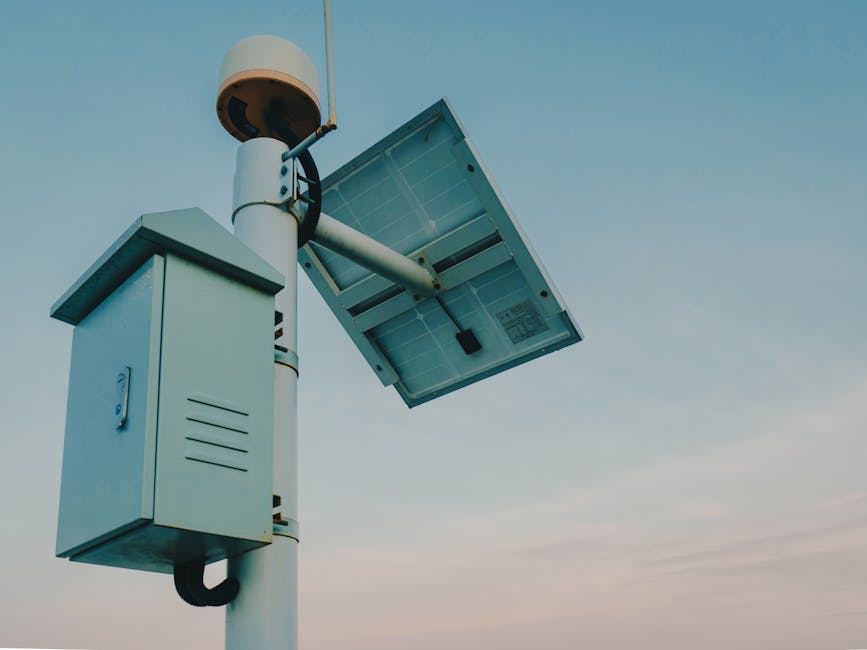 Image: A solar panel paired with a security camera against a clear sky, representing renewable technology.
Case Study 3: Waste Management Innovations and Their Contribution to a Circular Economy
The arena's waste management innovations have significantly reduced waste generation and increased recycling rates, contributing to a circular economy.
- Advanced Recycling Programs: Comprehensive recycling programs target various materials, diverting over 70% of waste from landfills.
- Composting Initiatives: Food waste and organic materials are composted on-site or sent to a local composting facility, processing over 10 tons of food waste annually.
- Waste Reduction Strategies: Initiatives such as reusable food containers and water bottles have reduced single-use plastic waste by 50%.
- Community Engagement: The arena actively engages with fans and the community to promote waste reduction and recycling.
Data:
- Pre-Implementation Landfill Diversion Rate: 30%
- Post-Implementation Landfill Diversion Rate: 70%
- Annual Composted Food Waste: 10 tons
- Reduction in Single-Use Plastic Waste: 50%
The Economic Benefits of Sustainable Smart Arenas
Beyond the environmental benefits, sustainable smart arenas offer significant economic advantages. These advantages include reduced operating costs, enhanced brand reputation, job creation, and long-term value.
Reduced Operating Costs: Energy and Water Savings Translate to Bottom-Line Improvements
Energy and water savings directly translate to reduced operating costs, improving the arena's bottom line. Smart technologies and sustainable practices enable arenas to minimize resource consumption, lowering utility bills and increasing profitability.
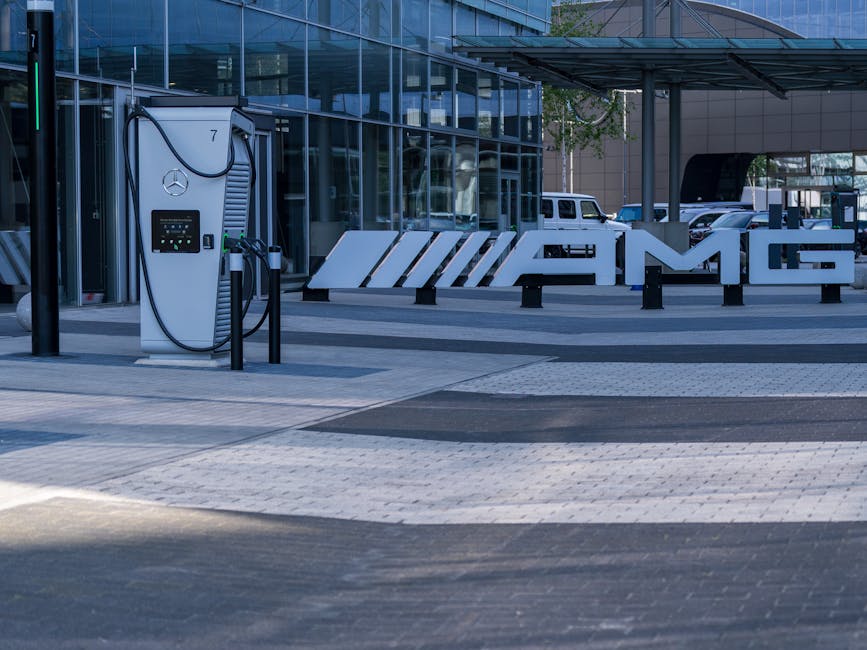 Image: Electric vehicle charging station at a modern business complex featuring sleek architectural design.
- Lower Energy Bills: Energy-efficient lighting, HVAC systems, and renewable energy integration reduce electricity consumption and lower energy bills.
- Reduced Water Bills: Water conservation strategies such as greywater recycling and rainwater harvesting minimize water usage and reduce water bills.
- Lower Waste Disposal Costs: Waste reduction and recycling programs reduce the amount of waste sent to landfills, lowering waste disposal costs.
- Reduced Maintenance Costs: Predictive maintenance capabilities of smart building management systems reduce equipment downtime and lower maintenance costs.
Example: The Adelaide 36ers Arena's energy and water savings have resulted in an estimated annual reduction in operating expenses of $250,000.
Enhanced Brand Reputation: Attracting Environmentally Conscious Fans and Sponsors
Sustainability is increasingly important to consumers and sponsors. Arenas that demonstrate a commitment to environmental stewardship can enhance their brand reputation and attract environmentally conscious fans and sponsors.
- Attracting Fans: Environmentally conscious fans are more likely to support venues that prioritize sustainability.
- Attracting Sponsors: Sponsors are increasingly seeking partnerships with organizations that align with their environmental values.
- Positive Public Relations: Sustainability initiatives generate positive public relations, enhancing the arena's image and reputation.
- Increased Community Engagement: Sustainability initiatives foster community engagement, strengthening the arena's ties to the local community.
Example: The Adelaide 36ers Arena has seen a significant increase in attendance and sponsorship revenue since implementing its sustainability initiatives. The arena's commitment to environmental stewardship has resonated with fans and sponsors, attracting a new audience and generating positive media coverage.
Job Creation: The Growth of the Green Technology Sector and Skilled Labor Opportunities
The development and implementation of sustainable smart technologies create new jobs in the green technology sector. These jobs range from manufacturing and installation to maintenance and operation, providing skilled labor opportunities for the local community.
- Manufacturing and Installation: The production and installation of solar panels, smart lighting, and other green technologies create manufacturing and installation jobs.
- Maintenance and Operation: The maintenance and operation of smart building management systems and other sustainable technologies require skilled technicians and engineers.
- Consulting and Engineering: Consulting and engineering firms specializing in sustainable building design and energy efficiency are experiencing rapid growth.
- Research and Development: Research and development efforts focused on new sustainable technologies create high-skilled jobs in the scientific and engineering fields.
 Image: Hand holding smartphone displaying recycling symbol, promoting eco-friendly technology.
Example: The Adelaide 36ers Arena's sustainability initiatives have created over 50 new jobs in the local green technology sector. These jobs include solar panel installers, HVAC technicians, and smart building management system operators.
Long-Term Value: Investing in a Sustainable Future for the Arena and the Community
Investing in sustainable smart technologies creates long-term value for the arena and the community. These investments not only reduce environmental impact but also enhance the arena's financial performance, improve its brand reputation, and contribute to a more sustainable future.
- Reduced Environmental Impact: Sustainable technologies minimize the arena's environmental footprint, reducing its contribution to climate change and other environmental problems.
- Enhanced Financial Performance: Reduced operating costs and increased revenue enhance the arena's financial performance.
- Improved Brand Reputation: A strong commitment to sustainability enhances the arena's brand reputation, attracting fans, sponsors, and employees.
- Sustainable Community: By promoting sustainability, the arena contributes to a more sustainable future for the community.
Addressing Common Concerns: A Detailed FAQ
Implementing sustainable smart tech in arenas can raise questions and concerns. This FAQ addresses some of the most common concerns, providing detailed answers and practical solutions.
Q: What is the initial investment cost for implementing sustainable smart tech?
The initial investment cost for implementing sustainable smart tech can vary depending on the scope of the project and the specific technologies chosen. However, it's essential to consider the long-term benefits and cost savings associated with these technologies.
- Factors Influencing Investment Cost: The size of the arena, the age of the existing infrastructure, and the specific technologies chosen can all influence the initial investment cost.
- Available Incentives: Government incentives, tax credits, and rebates can help offset the initial investment cost.
- Financing Options: Various financing options, such as green bonds and energy performance contracts, can help spread the cost over time.
- Long-Term Savings: The long-term energy and water savings associated with sustainable smart tech can often